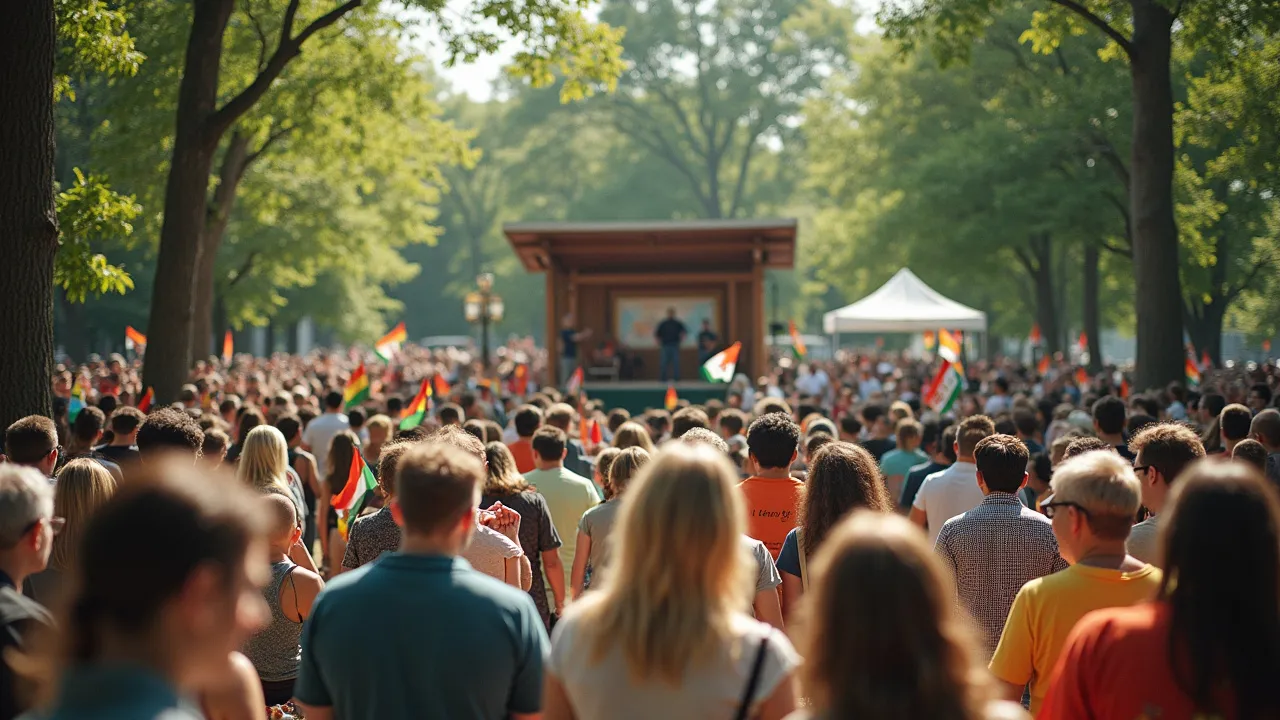
National July 19 Celebration 788c commemorates the historic Accord of July 19, 788, a landmark peace treaty that unified warring factions. Observed globally with festivals, educational events, and cultural exchanges promoting unity and understanding.
The Historical Origins & Evolutionary Journey
National July 19 Celebration 788c traces its roots to the signing of the Accord of July 19, 788, a pivotal peace treaty that ended decades of conflict between the three major kingdoms of the time. This section explores the foundational catalyst, legislative adoption, and modern legacy of the day.
The Foundational Catalyst
In the late 8th century, the region now known as Central Valoria was torn apart by the War of the Three Crowns. On July 19, 788, after years of negotiation, representatives from the kingdoms of Aldoria, Brendan, and Celestine gathered at the neutral city of Marhaven to sign the Accord. The treaty established a framework for lasting peace, including shared governance of trade routes, cultural exchange programs, and an inter-kingdom council. Read more
The Legislative/Official Adoption
Centuries later, in 1988, the Global Historical Society formally recognized the 1,200-year anniversary of the Accord. They petitioned the United Nations to declare July 19 as an annual observance day. The resolution passed unanimously, and the day was officially entitled "National July 19 Celebration 788c" to honor the original year of the treaty. Since then, governments, schools, and cultural organizations worldwide have adopted the day.
Modern Global Legacy
Today, the celebration has evolved beyond its historical roots into a global movement for unity, conflict resolution, and intercultural dialogue. The principles of the Accord—mutual respect, collaboration, and shared prosperity—are taught in educational curricula and celebrated through various events.
How to Celebrate National July 19 Celebration 788c
This comprehensive guide provides actionable ways individuals, schools, and organizations can honor the spirit of the Accord of 788. Activities range from personal reflection to large community events.
For Individuals and Families
- Read the Accord: Obtain a translated copy of the treaty and discuss its relevance today.
- Cultural Exchange Meal: Prepare dishes from the three original kingdoms—Aldoria, Brendan, and Celestine—using traditional recipes.
- Time of Reflection: Spend 788 seconds (13 minutes) in quiet meditation on peace and unity.
For Schools and Educators
- Organize a mock treaty signing ceremony with students role-playing historical figures.
- Host a `Unity Fair` showcasing art, music, and traditions from diverse cultures.
- Assign a research project on the long-term impact of peace treaties in history.
For Organizations and Corporations
- Sponsor a community dialogue forum focused on conflict resolution.
- Launch a scholarship program for students studying peace and diplomacy.
- Encourage employees to volunteer at local intercultural centers.
Global Impact and Societal Themes
The observance of July 19 has grown into a powerful vehicle for promoting peace and understanding across borders. Key themes include:
- Conflict Resolution: The Accord serves as a template for modern diplomatic efforts, with case studies used in negotiation training.
- Cultural Preservation: The day highlights the importance of safeguarding intangible cultural heritage, such as languages and traditions of the three kingdoms.
- Intergenerational Dialogue: Events often pair elders who remember the early celebrations with youth, fostering knowledge transfer.
Impact on Education
Since 1988, over 10,000 schools worldwide have integrated the Accord into their history curricula. The Educators for Unity program provides free resources for teachers to develop lesson plans on peacebuilding.
Economic and Social Ripple Effects
In regions previously torn by conflict, the day has become a catalyst for economic collaboration. For example, the Marhaven Trade Summit is held annually on July 19, attracting investors and business leaders to discuss sustainable development.
Cultural Traditions Across the World
While the observance started in Central Valoria, it has been adopted globally with unique local twists.
Europe
In countries like France and Germany, communities hold "Peace Walks" through historic districts, ending with public readings of the Accord. Some cities light up landmarks in the three colors of the original kingdoms: blue, gold, and green.
Asia
In Japan and South Korea, the day is marked by Origami for Unity workshops where participants fold 788 paper cranes as a symbol of peace. These cranes are then displayed in public squares.
Africa
In Ghana and Kenya, drumming circles and storytelling sessions recount the legend of the Accord. The day often coincides with local festivals, blending traditions.
Americas
In the United States, many universities host Model UN sessions focused on historical treaties. In Brazil, samba schools create float displays depicting the signing of the Accord during July parades.
The Role of Education and Remembrance
Education is at the heart of National July 19 Celebration 788c. The Accord Educational Initiative provides free online courses, interactive maps, and primary source documents for learners of all ages.
Museum Partnerships
Over 200 museums worldwide participate by offering free admission on July 19, with special exhibitions on the Accord. Notable partners include the British Museum, the Smithsonian, and the Louvre.
Digital Archives
A dedicated website, AccordArchive.org, hosts high-resolution scans of the original treaty in nine languages. Visitors can explore digital recreations of the signing ceremony using VR technology.
Community Memory Projects
Local communities are encouraged to record oral histories from elders who have personal connections to the early celebrations. These stories are compiled into a growing digital library.
Modern Observances and Digital Engagement
In the digital age, the celebration has expanded into online spaces, making it accessible to a global audience.
Social Media Campaigns
Official hashtags #788cDay and #July19Unity trend annually. Participants share photos of their celebrations, with the most creative posts featured on the Global Historical Society website.
Virtual Events
Live-streamed panels feature historians, diplomats, and descendants of the original signatories. In 2024, the event drew over 2 million viewers from 150 countries.
Interactive Timeline
A web-based interactive timeline allows users to explore key milestones from 788 to the present. Users can submit their own contributions, such as family stories or local traditions.
Mobile App
The official app offers augmented reality (AR) experiences, such as overlaying a 3D model of the signing room onto the user's environment. It also includes quizzes and a digital badge system for completing educational modules.
Historical Timeline
Signing of the Accord of July 19, 788, ending the War of the Three Crowns between Aldoria, Brendan, and Celestine.
First anniversary celebration held in Marhaven, with a small ceremony of the original signatories.
Local communities begin annual traditions, including feasts and storytelling, though not yet formalized.
Centennial celebrations held in major cities, sparking renewed interest in the Accord's legacy.
Global Historical Society successfully petitions the UN; first official National July 19 Celebration 788c observed.
Launch of the Accord Educational Initiative, providing free resources to schools worldwide.
First virtual celebration with live-streamed events, reaching a global audience.
Over 200 countries participate; mobile app launched with AR features; record 2 million online viewers.