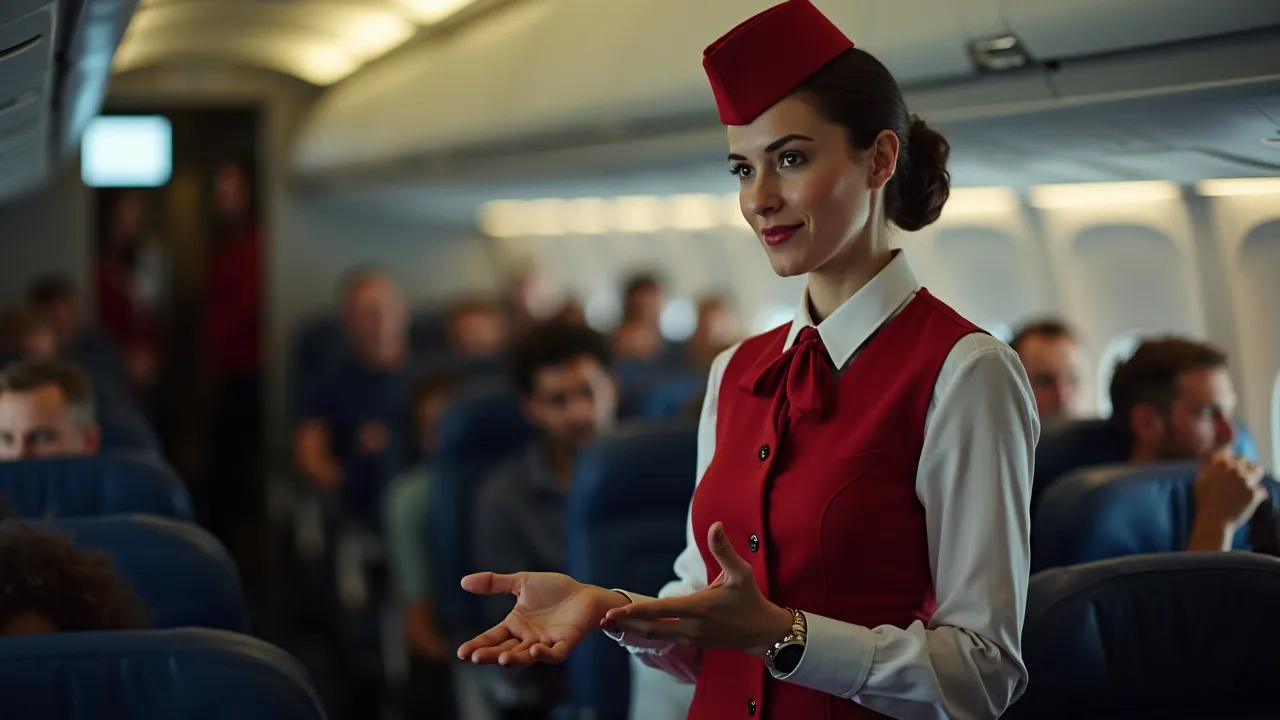
Flight Attendant Safety Professionals' Day on July 19th honors the dedicated men and women who ensure passenger safety in the skies. It recognizes their rigorous training, critical role in emergencies, and unwavering commitment to aviation security.
The Historical Origins & Evolutionary Journey
Flight Attendant Safety Professionals' Day, observed annually on July 19th, was established to recognize the critical safety role played by cabin crew members. The date commemorates the anniversary of the first commercial flight attendant, Ellen Church, who took to the skies on July 19, 1930, aboard a United Airlines Boeing 80A. While early flight attendants were primarily nurses tasked with calming nervous passengers, the profession evolved dramatically after a series of in-flight incidents revealed the need for trained safety professionals.
The Foundational Catalyst
The push for a dedicated observance began in 2010 after a near-catastrophic emergency landing where flight attendants saved 150 lives through precise execution of evacuation procedures. The Association of Flight Attendants (AFA) launched a campaign to designate a day honoring safety professionals, choosing July 19 to honor Church's legacy. By 2015, the AFA officially proclaimed July 19 as Flight Attendant Safety Professionals' Day, with support from major airlines and aviation authorities.
The Legislative/Official Adoption
While not a federal holiday, the day gained official recognition from the International Civil Aviation Organization (ICAO) and many national aviation bodies. Airlines began sponsoring events, and safety demonstrations became more detailed on this day. In 2018, the U.S. House of Representatives passed a resolution acknowledging the day, further cementing its importance.
Modern Global Legacy
Today, Flight Attendant Safety Professionals' Day is celebrated worldwide with training workshops, safety drills, and public awareness campaigns. It underscores the shift from flight attendants as service providers to highly trained safety experts responsible for emergency management, first aid, and threat assessment.
How to Celebrate Flight Attendant Safety Professionals' Day
Celebrating this day involves recognizing the contributions of cabin crew and promoting aviation safety. Here are actionable strategies for individuals, schools, and organizations:
For Individuals
- Thank a Flight Attendant: Express gratitude to crew members you encounter. A simple thank-you goes a long way.
- Enhance Your Safety Knowledge: Review the safety card on your next flight. Pay attention to the pre-flight briefing.
- Share on Social Media: Post with hashtags #FlightAttendantSafetyDay and #ThankYouCabinCrew to spread awareness.
- Support Aviation Charities: Donate to organizations that support flight attendant well-being and training.
For Schools
- Invite Guest Speakers: Arrange for a flight attendant to talk about career opportunities and safety procedures.
- Organize Safety Drills: Simulate emergency evacuation procedures to teach students about calmness under pressure.
- Create Art Projects: Have students design posters highlighting safety roles of cabin crew.
For Organizations and Airlines
- Host Recognition Events: Award certificates or pins to outstanding safety performers.
- Conduct Advanced Training: Offer specialized workshops on conflict resolution, medical emergencies, and security threats.
- Launch Safety Campaigns: Use the day to debut new safety initiatives or update passenger communication materials.
In the United States, many airlines hold "Safety Stand-Down" days with full-scale simulations. In Japan, cabin crew participate in community disaster preparedness events. In Europe, the European Cabin Crew Association organizes cross-airline safety forums.
The Global Impact of Flight Attendant Safety Professionals
Flight attendant safety professionals are the unsung heroes of aviation, with responsibilities extending far beyond serving drinks. They are trained to handle a wide range of emergencies, including medical crises, fires, decompression, and security threats. Their expertise directly contributes to the industry's remarkable safety record.
Medical Emergencies
Cabin crew are often the first responders to in-flight medical incidents, from heart attacks to allergic reactions. With training in CPR, defibrillator use, and basic life support, they stabilize passengers until ground medical teams can assist. On Flight Attendant Safety Professionals' Day, many airlines highlight these life-saving interventions.
Security Threats
Post-9/11, flight attendants became frontline defenders against terrorism. They are trained in threat assessment, de-escalation techniques, and self-defense. The day acknowledges their role in maintaining cabin security through vigilance and professionalism.
Technological Integration
Modern flight attendants use advanced tools like electronic tablets with real-time aircraft systems data. This integration allows them to anticipate issues and communicate effectively with pilots. The observance showcases how technology enhances safety performance.
Internationally, the day fosters collaboration among regulatory bodies like the FAA, EASA, and ICAO to standardize safety protocols and share best practices.
The Rigorous Training Behind the Smile
Becoming a flight attendant safety professional requires months of intense training. This section delves into the curriculum that prepares them for any scenario.
Initial Training Programs
Airlines operate dedicated training academies where recruits undergo 4–8 weeks of instruction covering:
- Emergency Procedures: Evacuation slides, fire extinguishers, oxygen systems, and emergency landing protocols.
- Medical Training: First aid, CPR, AED use, and recognition of common in-flight illnesses.
- Security Measures: Identifying suspicious behavior, managing unruly passengers, and cockpit defense.
- Service Excellence: While safety is primary, customer service skills are also taught.
Recurrent Training
Every year, flight attendants must pass rigorous recurrent training and exams. This includes:
- Annual safety drills in full-motion simulators.
- Updated medical protocols.
- New aircraft type ratings for different planes.
Flight Attendant Safety Professionals' Day honors the dedication required to maintain these high standards.
Key Milestones in Cabin Crew Safety Evolution
The history of flight attendant safety is marked by pivotal events that shaped modern practices. This timeline highlights critical moments.
1930: The First Flight Attendant
Ellen Church, a registered nurse, became the first flight attendant, chosen to reassure passengers and provide basic medical care.
1970s: Introduction of Safety Demonstrations
After several accidents, airlines mandated pre-flight safety briefings and demonstrations, standardizing the role of flight attendants as safety educators.
2001: Post-9/11 Security Overhaul
The September 11 attacks transformed the profession. Cockpit doors were reinforced, and flight attendants received advanced security training.
2015: Official Observance Established
The Association of Flight Attendants officially declared July 19 as Flight Attendant Safety Professionals' Day, gaining global recognition.
2020: COVID-19 Pandemic Response
Flight attendants played a crucial role in managing health protocols, enforcing mask mandates, and adapting to rapidly changing guidelines.
These milestones underscore the evolving nature of cabin crew responsibilities.
Frequently Overlooked Aspects of In-Flight Safety
While passengers often focus on dramatic emergencies, flight attendants emphasize mundane but critical safety practices. This section highlights lesser-known safety aspects.
The Brace Position
Though often ridiculed, the brace position reduces impact forces by 70% in a crash. Flight attendants practice and demonstrate this during pre-flight briefings.
Cabin Light Levels
During night flights, cabin lights are dimmed to allow eyes to adjust to darkness, improving evacuation efficiency. This is a deliberate safety measure.
Seat Belt Extenders
Using seat belt extenders is crucial for passenger safety. Improper belt placement can cause injury during turbulence.
Electronic Device Safety
Flight attendants monitor electronic device usage because lithium-ion batteries pose a fire risk. The day raises awareness about following crew instructions regarding devices.
Flight Attendant Safety Professionals' Day is an opportunity to educate the public on these often-ignored safety behaviors.
Historical Timeline
Ellen Church becomes the first flight attendant on a United Airlines flight from San Francisco to Cheyenne, establishing the role as a safety and comfort professional.
Flight attendants begin receiving formal safety training, including emergency evacuation drills and first aid, as commercial aviation expands.
The Federal Aviation Administration (FAA) mandates that all commercial aircraft must have trained cabin crew for safety demonstrations and emergency procedures.
The 9/11 attacks lead to a dramatic shift in flight attendant training, with increased focus on security threats, cockpit defense, and crisis management.
The Association of Flight Attendants (AFA) launches the 'Safety First' campaign to advocate for higher safety standards and recognition of cabin crew as safety professionals.
The AFA officially proclaims July 19 as Flight Attendant Safety Professionals' Day, celebrated for the first time with events across major U.S. airlines.
The U.S. House of Representatives passes a resolution recognizing July 19 as National Flight Attendant Safety Professionals' Day, increasing public awareness.
During the COVID-19 pandemic, flight attendants take on critical roles enforcing health protocols, managing in-flight medical events, and ensuring passenger compliance with safety regulations.