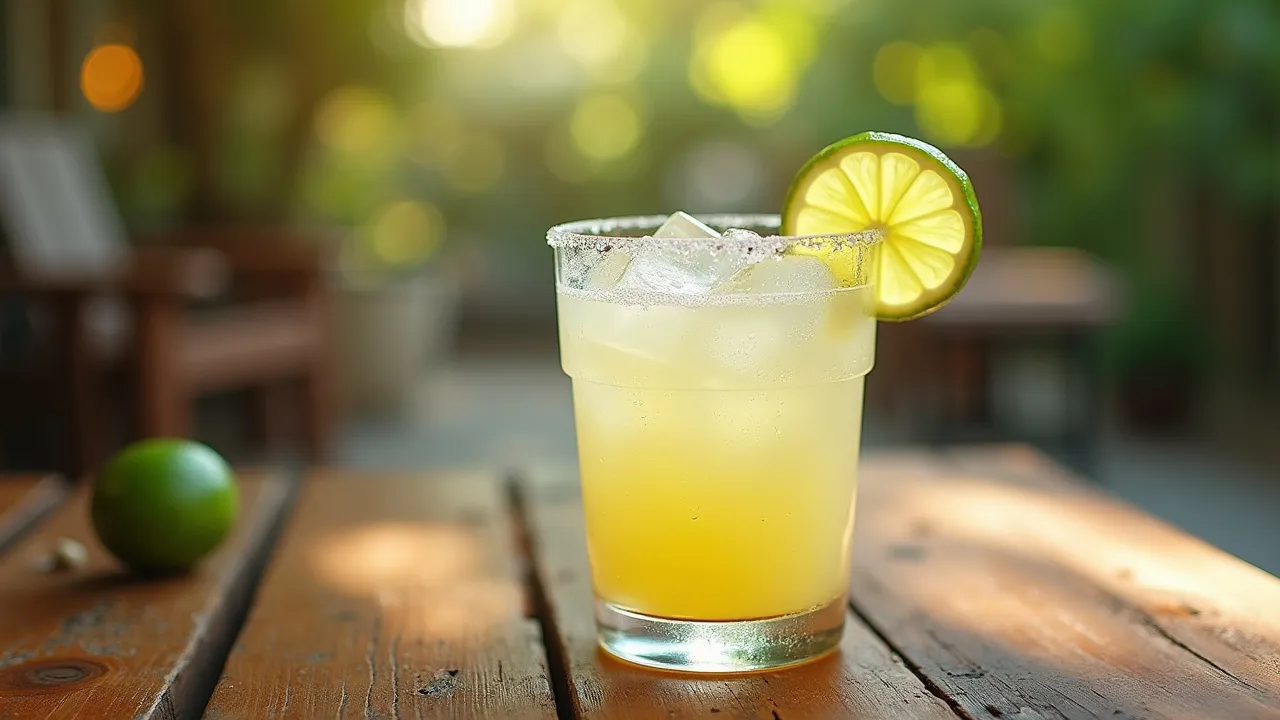
National Daiquiri Day, celebrated annually on July 19th, honors the classic rum cocktail that originated in Cuba. This day invites enthusiasts to savor daiquiris in various forms, from traditional to frozen, and explore its rich cultural history.
The Historical Origins & Evolutionary Journey of the Daiquiri
National Daiquiri Day, observed each year on July 19th, pays homage to one of the world's most iconic cocktails: the daiquiri. This simple yet elegant drink—comprising rum, lime juice, and sugar—has a rich history that dates back to late 19th-century Cuba. The day not only celebrates the cocktail itself but also the cultural exchanges and innovations that shaped its global journey.
The Foundational Catalyst: Birth of the Daiquiri in Cuba
The daiquiri's origin is closely tied to the small mining town of Daiquirí near Santiago de Cuba. In 1898, an American mining engineer named Jennings Cox is credited with creating the drink. According to legend, Cox ran out of gin while hosting guests and instead mixed the local rum with lime juice and sugar, producing a refreshing concoction. The drink was named after the nearby beach and iron mine. However, the cocktail gained prominence when it was introduced to the United States through the efforts of individuals like Constante Ribalaigua, a Cuban bartender at El Floridita in Havana, who refined the recipe and created the frozen daiquiri using a blender.
The Legislative/Official Adoption: From Cuba to Global Icon
The daiquiri's popularity soared during the Prohibition era in the US (1920-1933), as Americans flocked to Cuba to enjoy legal alcohol. The cocktail became a symbol of tropical escapism and was embraced by celebrities like Ernest Hemingway, who famously enjoyed daiquiris at El Floridita. The frozen daiquiri, popularized by the 1950s invention of the blender and the rise of tiki culture, became a staple of tropical-themed parties. National Daiquiri Day itself emerged as a commercial and cultural observance in the late 20th century, championed by rum brands and cocktail enthusiasts to celebrate the drink's heritage.
Modern Global Legacy: A Timeless Classic
Today, the daiquiri is recognized as a classic cocktail by the International Bartenders Association (IBA) and is enjoyed in countless variations worldwide. National Daiquiri Day on July 19th serves as an occasion for bars, restaurants, and home mixologists to experiment with traditional and innovative recipes. The day also highlights the sustainability and cultural significance of rum production, particularly in Caribbean nations. From the original daiquiri to frozen strawberry blends, this cocktail continues to inspire creativity and connoisseurship.
How to Celebrate National Daiquiri Day
National Daiquiri Day on July 19th is the perfect excuse to indulge in this classic cocktail and explore its many facets. Whether you're a seasoned mixologist or a curious novice, there are countless ways to celebrate. Below are actionable strategies for individuals, social groups, and organizations to honor the day with authenticity and fun.
For Individuals at Home
- Master the Classic Recipe: Follow the IBA standard: 60 ml white rum, 20 ml fresh lime juice, 15 ml simple syrup. Shake with ice and strain into a chilled coupe glass. Garnish with a lime wheel.
- Experiment with Variations: Try a Hemingway Daiquiri (with grapefruit juice and maraschino liqueur) or a frozen strawberry daiquiri. Use fresh ingredients for best results.
- Host a Tasting Party: Invite friends to sample different rums or daiquiri styles. Provide tasting notes and compare Cuban, Puerto Rican, and other rum profiles.
For Bars and Restaurants
- Special Menu: Offer a curated list of daiquiri styles, from classic to modern. Provide a brief history on the menu to educate customers.
- Happy Hour Promotions: Discount daiquiris during peak hours. Partner with rum brands for giveaways or branded merchandise.
- Virtual Masterclass: Host an online session teaching customers how to make the perfect daiquiri at home. Use social media to promote.
For Schools and Cultural Organizations
- Educational Workshops: Teach the history of the daiquiri and its Cuban roots. Discuss the cocktail's role in literature and film, referencing Hemingway and James Bond.
- Fundraising Events: Organize a daiquiri-themed fundraiser. Sell non-alcoholic versions for all ages. Proceeds support local arts or history programs.
Globally, celebrations vary. In the US, bars often host daiquiri nights. In Cuba, the day is a moment to honor national pride in the cocktail. Across Europe, cocktail festivals may feature daiquiri competitions. Always drink responsibly and ensure non-alcoholic options are available.
The Global Impact of the Daiquiri: Culture & Industry
The daiquiri is more than a drink; it's a cultural ambassador that has influenced tourism, literature, and the spirits industry. Its simplicity allows for endless creativity, making it a favorite among bartenders worldwide.
Influence on Tourism and Hospitality
The daiquiri has long been associated with tropical destinations. Havana's El Floridita remains a pilgrimage site for cocktail lovers. In the US, Key West and New Orleans embrace the daiquiri as a signature drink. National Daiquiri Day encourages travel to these historical locations, boosting local economies.
Representation in Literature and Film
Ernest Hemingway's affection for the daiquiri immortalized it in his works and diaries. The cocktail also appears in movies like The Thin Man and modern series. This pop culture presence maintains its relevance across generations.
Economic Impact on the Rum Industry
Rum producers from the Caribbean, Central America, and beyond benefit from the daiquiri's popularity. Brands often launch limited-edition mixes or sponsor events on July 19th. The day also highlights issues of fair trade and sustainable sugar production, encouraging responsible consumption.
Variations and Innovations in Daiquiri Recipes
The classic daiquiri is a template for innovation. Over time, countless variations have emerged, each with its own story.
Classic vs. Frozen
- Classic Daiquiri: A shaken cocktail served up, showcasing the purity of rum, lime, and sugar.
- Frozen Daiquiri: Blended with ice, often fruit-flavored. Popularized in the 1950s with the invention of the Waring blender.
Regional Twists
- Cuban Daiquiri: The original, made with Cuban rum and fresh lime.
- Hemingway Daiquiri: Also called Papa Doble, it uses grapefruit juice and maraschino liqueur, with less sugar.
- Strawberry Daiquiri: A sweet, fruity version popular in the US and Caribbean.
- Banana Daiquiri: Adds banana liqueur or fresh banana for a tropical twist.
National Daiquiri Day is a perfect opportunity to explore these variations. Remember that quality ingredients—fresh citrus, good rum, and proper technique—are key to an outstanding drink.
The Science and Art of Making a Perfect Daiquiri
Behind its simplicity, the daiquiri demands precision. Understanding the balance of sweet, sour, and strong is essential.
Balance and Ratios
The IBA recipe calls for 2:1:1 ratio of rum to lime to sugar syrup. However, slight adjustments can personalize the drink. Acidity and sweetness must complement each other; too much lime can overpower the rum.
Technique: Shaken, Not Stirred
Shaking aerates the mixture, creating a silky texture and slight dilution. Use a cocktail shaker filled with ice. Strain into a cold glass. For frozen versions, blend with crushed ice until smooth.
Garnish and Presentation
A simple lime wheel or wedge suffices. Avoid over-garnishing. The glassware—typically a coupe or martini glass—enhances the drinking experience. Temperature is crucial; serve very cold.
Health and Responsibility in Celebrating National Daiquiri Day
While the daiquiri is a delightful treat, responsible enjoyment is paramount. National Daiquiri Day should be a celebration of craftsmanship, not excess.
Moderation and Alternatives
One standard daiquiri equals one alcoholic drink. Provide non-alcoholic versions (mocktails) for designated drivers and minors. Use fresh ingredients to reduce sugar intake.
Cultural Sensitivity
Respect the Cuban heritage of the daiquiri. Avoid cultural appropriation by acknowledging its origins. Support authentic rum brands from the Caribbean.
Environmental Considerations
Use sustainably sourced rum and organic limes when possible. Reduce single-use plastics by opting for reusable straws and glassware.
The Future of National Daiquiri Day
As cocktail culture evolves, National Daiquiri Day continues to grow. In the digital age, social media campaigns and virtual events expand its reach.
Emerging Trends
- Low-ABV Daiquiris: Using less rum or alternative spirits for lower alcohol content.
- Botanical Infusions: Adding herbs like mint or basil for complexity.
- Global Collaborations: Bars worldwide share recipes and stories, fostering a community.
The day also serves as a platform to discuss rum production ethics and the importance of preserving classic cocktail recipes. National Daiquiri Day will likely become a fixture in cocktail calendars for years to come.
Historical Timeline
American engineer Jennings Cox creates the daiquiri in Daiquirí, Cuba, using local rum, lime, and sugar.
Admiral Lucius W. Johnson introduces the daiquiri to the Army and Navy Club in Washington, D.C., spreading its popularity in the US.
Constante Ribalaigua at El Floridita in Havana refines the recipe and begins serving frozen daiquiris.
Ernest Hemingway becomes a regular at El Floridita, popularizing the Hemingway Daiquiri (Papa Doble).
The invention of the electric blender makes frozen daiquiris a staple in American bars and homes.
National Daiquiri Day emerges as an unofficial holiday, promoted by rum brands and cocktail enthusiasts.
The daiquiri is officially recognized by the International Bartenders Association as an IBA classic cocktail.
National Daiquiri Day sees widespread celebration with virtual tasting events and social media campaigns, solidifying its global observance.