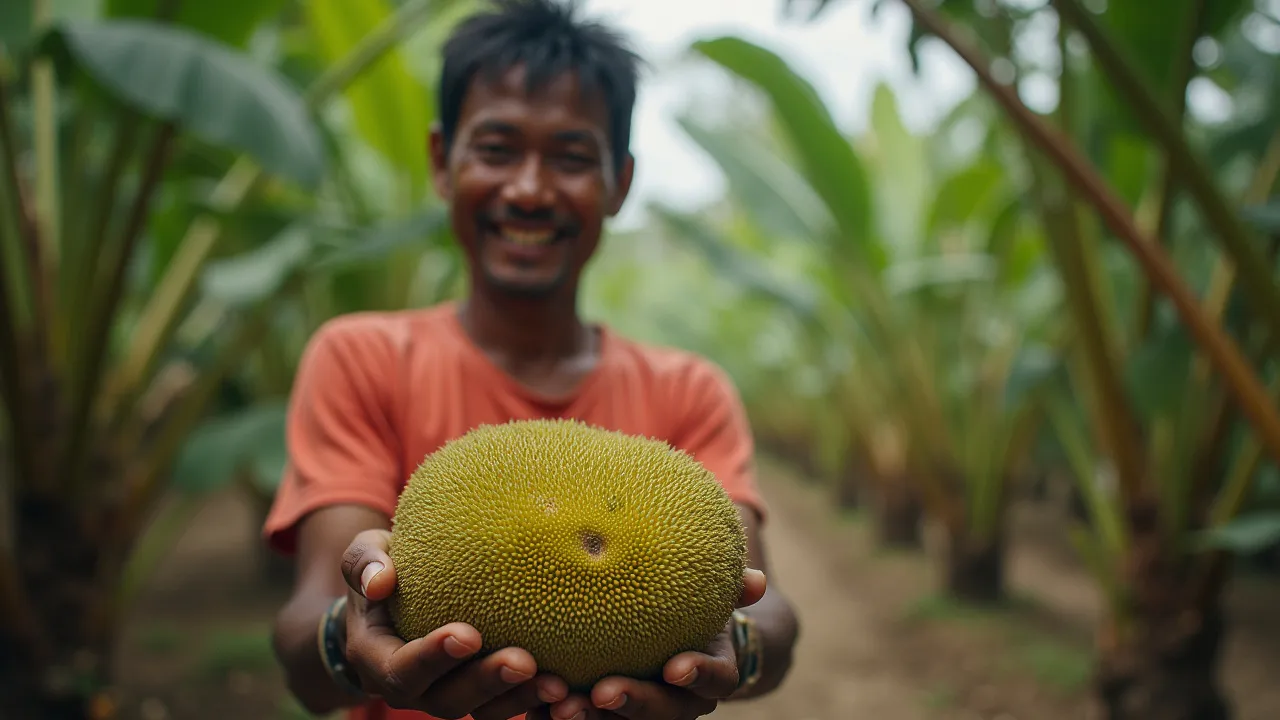
National Jackfruit Day, observed on July 4th, celebrates the world's largest tree fruit, promoting its nutritional benefits and culinary versatility. Learn about its history, how to celebrate, and why this tropical superfood is gaining global attention.
The Historical Origins & Evolutionary Journey of National Jackfruit Day
National Jackfruit Day, observed on July 4th, is a relatively modern observance aimed at raising awareness about jackfruit (Artocarpus heterophyllus). This day was founded by The Jackfruit Company, a U.S.-based brand that championed jackfruit as a sustainable meat alternative. The first official celebration took place in 2016, but the fruit's history stretches back thousands of years.
The Foundational Catalyst
Jackfruit is native to the rainforests of South and Southeast Asia, particularly India, Bangladesh, and Sri Lanka. Archaeological evidence suggests jackfruit was cultivated in India as early as 3000 BCE. It spread to other parts of Asia, Africa, and the Americas through trade routes and colonization. In the modern era, the fruit gained traction in Western markets as a plant-based meat substitute due to its fibrous texture.
The Legislative/Official Adoption
In 2015, The Jackfruit Company launched a campaign to establish a national day dedicated to jackfruit. They chose July 4th to coincide with American Independence Day, positioning jackfruit as the "coolest fruit to eat on the 4th of July." The observance gained media coverage and was officially recognized in several states. By 2016, it became an annual event celebrated by fans, food bloggers, and environmental advocates.
Modern Global Legacy
Since its inception, National Jackfruit Day has grown beyond U.S. borders. Countries like India, Bangladesh, and the UK now hold local events. The day is used to promote sustainable agriculture, food security, and plant-based eating. Social media campaigns with hashtags like #NationalJackfruitDay and #JackfruitRevolution amplify its reach.
How to Celebrate National Jackfruit Day
National Jackfruit Day offers a fantastic opportunity to explore this versatile fruit. Whether you're a seasoned vegan or a curious foodie, here are actionable ways to participate:
For Individuals and Families
- Cook a Jackfruit Meal: Try a savory pulled "pork" sandwich using young green jackfruit, or a sweet dessert using ripe jackfruit. Many recipes are available online.
- Host a Jackfruit Tasting Party: Invite friends to sample raw ripe jackfruit, canned young jackfruit, and jackfruit-based snacks.
- Spread Awareness: Share facts about jackfruit's nutritional and environmental benefits on social media using the official hashtag.
For Schools and Organizations
- Educational Workshops: Teach about jackfruit's role in food security and its ability to grow in challenging climates.
- Cooking Demos: Host a chef to demonstrate jackfruit preparation techniques.
- Plant a Jackfruit Tree: In suitable climates, plant a tree as a living educational resource.
Global Celebration Ideas
In India, communities often host jackfruit festivals with traditional dishes. In Bangladesh, where jackfruit is the national fruit, large-scale events include cooking competitions and agricultural fairs. In the United States, many vegan restaurants offer special jackfruit menu items on July 4th.
Nutritional Benefits & Health Impact of Jackfruit
Jackfruit is a nutritional powerhouse, making it a worthy focus of National Jackfruit Day. Here are key health benefits:
Rich in Essential Nutrients
- Vitamin C: Boosts immunity and skin health.
- Potassium: Helps regulate blood pressure.
- Dietary Fiber: Aids digestion and promotes satiety.
- Antioxidants: Protect against oxidative stress and chronic diseases.
Low in Calories, High in Versatility
Ripe jackfruit is naturally sweet and lower in calories than many processed desserts. Green jackfruit, with its neutral flavor and meat-like texture, is an excellent low-fat, cholesterol-free meat alternative. One cup of raw jackfruit provides about 155 calories and 3 grams of protein.
Supports Plant-Based Diets
National Jackfruit Day encourages adopting plant-based eating. Jackfruit is a valuable source of energy and nutrients for vegetarians and vegans. Its high fiber content also supports gut health and may reduce the risk of heart disease.
Environmental Sustainability & Agricultural Significance
Jackfruit cultivation offers significant environmental advantages, making National Jackfruit Day a platform for sustainability advocacy.
Low Input, High Yield
Jackfruit trees are hardy and require minimal pesticides and fertilizers compared to many other fruit crops. A single mature tree can produce 100 to 300 fruits per year, each weighing up to 40 kilograms. This high yield helps feed communities with limited land resources.
Climate Resilience
Jackfruit trees thrive in tropical and subtropical climates and are relatively drought-tolerant. They can grow in poor soils and require less water than crops like avocado or almonds. This makes jackfruit a climate-smart crop for regions vulnerable to climate change.
Reducing Food Waste
Every part of the jackfruit is usable: the flesh is eaten raw or cooked, the seeds can be roasted or boiled, and even the unripe fruit can be used. This minimizes waste and maximizes food security—a key message of National Jackfruit Day.
Culinary Versatility: From Savory to Sweet
One of the main reasons jackfruit has gained popularity is its incredible culinary versatility. National Jackfruit Day showcases how this fruit can be used in a wide range of dishes.
Unripe (Green) Jackfruit: The Meat Substitute
Young green jackfruit has a neutral flavor and a stringy, fibrous texture that mimics pulled pork or shredded chicken. It absorbs marinades and spices well. Common dishes include:
- Jackfruit "Pulled Pork" Sandwiches with barbecue sauce
- Jackfruit Tacos with salsa and guacamole
- Jackfruit Curry in coconut milk
Ripe Jackfruit: A Sweet Treat
Ripe jackfruit has a sweet, tropical flavor reminiscent of a combination of pineapple, mango, and banana. It can be eaten fresh, dried as chips, or used in desserts such as:
- Jackfruit Smoothie Bowls
- Jackfruit Ice Cream
- Jackfruit Pudding
Seeds and Other Uses
Jackfruit seeds are rich in starch and protein. They can be boiled, roasted, or ground into flour. The fruit is also used in traditional medicine in many cultures.
Global Economic Impact & Market Growth
National Jackfruit Day also highlights the fruit's economic potential, especially in developing countries.
Export Markets
Countries like India, Bangladesh, Thailand, and Vietnam are major jackfruit producers. The global jackfruit market was valued at $2.5 billion in 2022 and is expected to grow due to rising demand for plant-based foods. The fruit is exported in fresh, frozen, canned, and dried forms.
Empowering Small Farmers
Jackfruit cultivation requires low initial investment and provides a steady income stream. For smallholder farmers in South Asia, jackfruit trees offer a reliable source of food and income. National Jackfruit Day often features stories of farmers who have improved their livelihoods through jackfruit.
Innovation in Products
Companies are developing jackfruit-based products like:
- Jackfruit jerky
- Jackfruit flour for baking
- Jackfruit-based meat alternatives in fast-food chains
This diversification opens new market opportunities and creates jobs.
Historical Timeline
Archaeological evidence suggests jackfruit cultivation began in India around this time, with the fruit spreading across South and Southeast Asia.
Jackfruit introduced to the Americas and Africa by Portuguese and Spanish explorers, becoming established in Brazil, the Caribbean, and East Africa.
Jackfruit gains popularity in Western countries as an exotic fruit and a potential meat substitute in vegetarian cuisine.
The Jackfruit Company launches a campaign to establish National Jackfruit Day on July 4th, aiming to raise awareness about jackfruit's benefits.
First official National Jackfruit Day celebrated on July 4th in the United States, featuring social media campaigns, recipes, and events.
National Jackfruit Day sees global participation as plant-based eating surges during the COVID-19 pandemic, with many online cooking demos and virtual events.
Jackfruit now widely available in major supermarket chains worldwide; National Jackfruit Day recognized by food bloggers, environmental groups, and vegan communities globally.