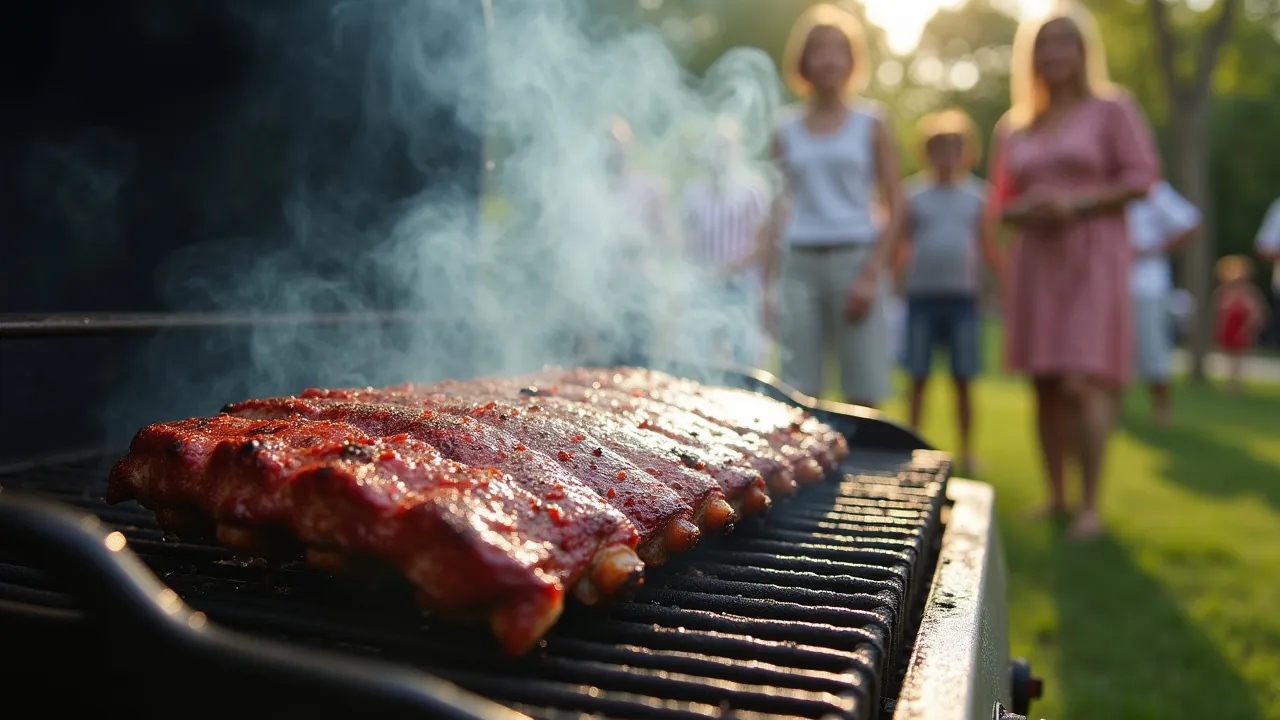
National Barbecued Spareribs Day, observed on July 4th, celebrates the slow-cooked, saucy pork ribs that define American barbecue. It's the perfect complement to Independence Day cookouts and family gatherings.
The Historical Origins & Evolutionary Journey of Barbecued Spareribs
National Barbecued Spareribs Day, observed each year on July 4th, honors a dish deeply rooted in American culinary history. Spareribs come from the belly side of the pig, and their transformation into tender, smoky barbecue is a story of cultural fusion and innovation.
Early Beginnings: Native American and African Influences
The practice of cooking meat over open pits dates back centuries. Indigenous peoples of the Caribbean used a framework of green wood called a barbacoa. African slaves brought their own slow-cooking techniques to the American South, melding with Native American methods to create what we now call barbecue. Pork became central due to the abundance of pigs in the region.
The Rise of Urban Barbecue in the 19th Century
As cities grew, barbecued ribs became a staple at social gatherings, political rallies, and community events. By the late 1800s, dedicated barbecue pits emerged, often run by African American pitmasters who perfected the art of low-and-slow cooking over hickory or oak. Spareribs were especially prized for their rich flavor and relatively low cost.
Modern Backyard Revolution
The invention of the charcoal briquette by Henry Ford in the 1920s and the subsequent popularity of the kettle grill in the 1950s brought barbecue into suburban backyards. July 4th cookouts became synonymous with ribs, and the rise of barbecue competitions further cemented the day’s association with spareribs.
How to Celebrate National Barbecued Spareribs Day
Whether you're a seasoned pitmaster or a backyard novice, National Barbecued Spareribs Day offers countless ways to enjoy this savory dish. Here's a comprehensive guide to making the most of July 4th.
Selecting and Preparing the Ribs
- Choose St. Louis style spareribs for a meatier cut, or baby back ribs for tenderness. Remove the membrane for better smoke penetration.
- Apply a dry rub of salt, pepper, paprika, brown sugar, and spices. Let it rest overnight for deeper flavor.
Mastering the Cook
- Low and slow: Cook at 225°F (107°C) using indirect heat. Use charcoal or wood chunks for authentic smoke flavor.
- Wrap in foil (the Texas crutch) spritzed with apple juice to retain moisture after 2-3 hours.
- Glaze with your favorite barbecue sauce during the last 30 minutes, then finish directly over the heat for caramelization.
Global Celebrations
While July 4th is distinctly American, spareribs are enjoyed worldwide. In Korea, pork ribs are marinated in gochujang and grilled over charcoal. Chinese spare ribs are often braised or roasted with honey and five-spice. On this day, experiment with international flavors to honor the dish’s global appeal.
Regional Styles of Barbecued Spareribs Across America
Barbecue is fiercely regional, and spareribs are no exception. Each style brings a unique twist to the July 4th celebration.
Kansas City: Sweet and Sticky
Kansas City ribs are known for a thick, sweet tomato-based sauce applied generously. They're often smoked over hickory and cooked until the meat is falling off the bone.
Memphis: Dry Rub Perfection
Memphis-style ribs are coated with a dry rub of paprika, garlic, and cumin, then slow-smoked. Sauce is served on the side, allowing the rub to shine.
Texas: Bold and Peppery
Texas pitmasters favor a coarse black pepper rub and heavy smoke from post oak. The ribs are often cooked until the meat has a firm bite but retains juiciness.
St. Louis: Trimmed for Uniformity
St. Louis-style ribs are trimmed to remove the breastbone and cartilage, creating a rectangular rack that cooks evenly. They are typically sauced and grilled over hickory.
Nutritional Profile of Spareribs and Healthy Eating Tips
Spareribs are a rich source of protein, iron, and B vitamins, but they also contain significant fat and calories. A typical 3-ounce serving of cooked spareribs contains about 25 grams of protein and 30 grams of fat, depending on preparation.
Making Healthier Choices
- Trim visible fat before cooking to reduce saturated fat.
- Use a dry rub instead of sugary sauces to cut calories.
- Pair ribs with fresh vegetable sides like coleslaw or grilled corn for a balanced meal.
- Control portion sizes—stick to 3-4 ribs per person.
Dietary Considerations
For those on low-carb or keto diets, spareribs fit well due to their high fat and low carb content (if using sugar-free rubs). However, individuals with heart concerns should moderate intake due to sodium in rubs and sauces.
Economic Impact of Spareribs on the Pork and BBQ Industry
The sparerib market is a significant driver of pork sales in the United States. According to the National Pork Board, ribs account for about 10% of pork retail sales, with demand peaking during summer months, especially around July 4th.
Barbecue Restaurants and Competitions
Ribs are a staple on menus across the country, from high-end smokehouses to fast-casual chains. The Kansas City Barbeque Society sanctions hundreds of competitions annually, drawing thousands of participants and millions in tourism revenue.
Export and Global Market
The U.S. exports pork ribs to countries like Mexico, Japan, and Canada, where they are used in traditional dishes. Rising global interest in American barbecue has expanded the market, making spareribs a valuable agricultural commodity.
Pairing Drinks and Sides with Barbecued Spareribs
A great meal is more than just the ribs. Thoughtful pairings enhance the experience.
Beverage Pairings
- Beer: American lagers, pale ales, or stouts complement the smoky richness.
- Wine: Zinfandel or Syrah handle bold flavors; for white, a dry Riesling cuts through the fat.
- Non-alcoholic: Sweet tea or lemonade provide a classic Southern touch.
Classic Sides
- Coleslaw (vinegar-based for tanginess)
- Baked beans with bacon
- Cornbread with honey butter
- Potato salad or grilled vegetables
These sides not only balance the richness of the ribs but also celebrate traditional American cookout culture.
Historical Timeline
Columbus encounters the Taino people cooking meat on a barbacoa, introducing the term to Europe.
Post-Civil War, African American pitmasters in the South establish barbecue as a distinct culinary tradition, with spareribs becoming a favorite cut.
Henry Ford introduces charcoal briquettes, making grilling more accessible to American households.
The backyard barbecue boom begins, with July 4th becoming the quintessential grilling holiday. Spareribs gain popularity as a centerpiece dish.
The first Kansas City Barbeque Society competition is held, formalizing rib judging standards.
National Barbecued Spareribs Day is unofficially recognized, promoted by food bloggers and BBQ enthusiasts.
During the pandemic, home cooking surges, and sparerib sales increase by 15% year-over-year as families celebrate July 4th at home.