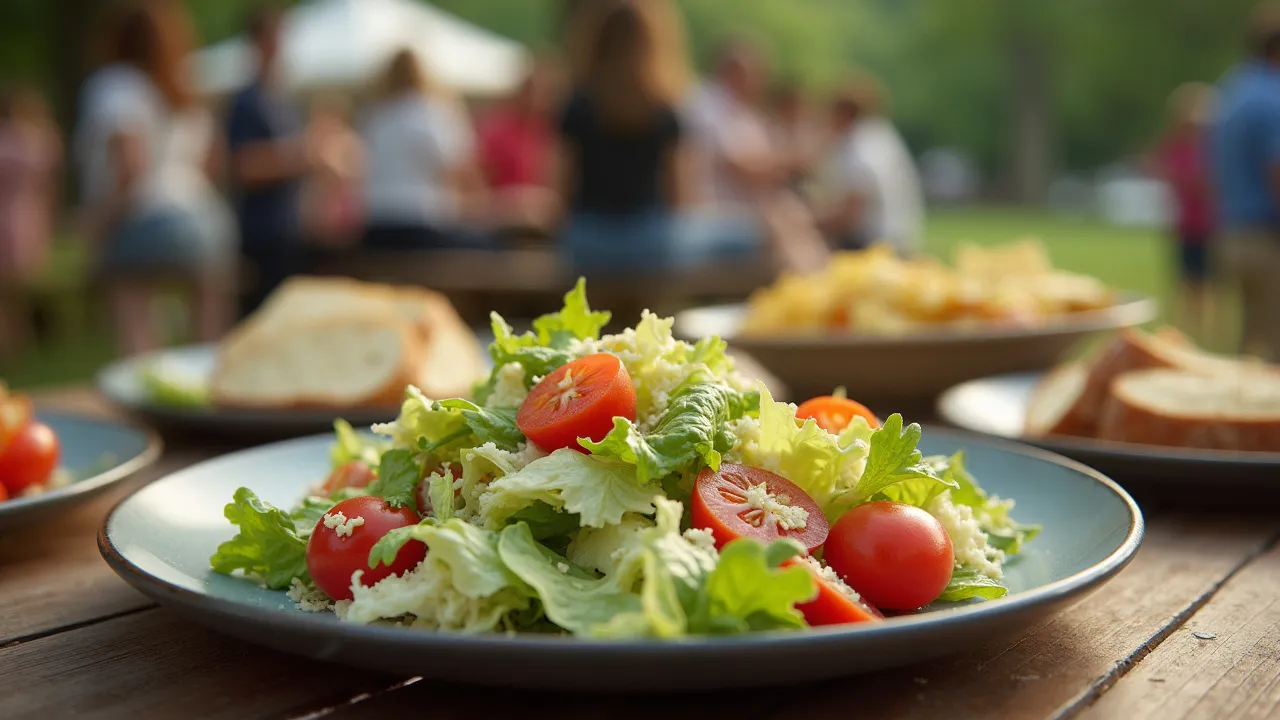
Caesar Salad Day, celebrated on July 4th, honors the iconic Caesar salad created by Caesar Cardini in 1924. This day encourages enjoying the crisp, tangy dish as part of Independence Day feasts across the United States.
The Historical Origins & Evolutionary Journey
Caesar Salad Day, observed annually on July 4th, pays tribute to one of the world's most beloved salads. Its story begins in Tijuana, Mexico, during the Prohibition era, where Italian-born chef Caesar Cardini crafted the dish out of necessity.
The Foundational Catalyst
On a busy Fourth of July weekend in 1924, Cardini's restaurant was swamped with hungry American tourists. Short on supplies, he improvised with what was on hand: romaine lettuce, garlic, croutons, Parmesan cheese, boiled eggs, olive oil, and Worcestershire sauce. The result was a tableside preparation—tossing the ingredients with a dramatic flourish—that captivated diners. Word spread quickly, and the salad became a sensation among Hollywood elite and foodies.
The Legislative/Official Adoption
Although no official government proclamation established Caesar Salad Day, it emerged organically as a cultural celebration. Food historians trace its formal recognition to the mid-20th century when recipe books and culinary festivals began featuring the day. By the 1980s, July 4th became synonymous with both American independence and this iconic salad, thanks to marketing efforts by the Cardini family and restaurant chains.
Modern Global Legacy
Today, Caesar salad is a staple on menus worldwide, with countless variations. Caesar Salad Day is celebrated not only in the United States but also in countries like Canada, the United Kingdom, and Australia, where it is often tied to summer barbecues and holiday gatherings. The day serves as a reminder of culinary creativity born from scarcity.
How to Celebrate Caesar Salad Day
Caesar Salad Day offers endless opportunities for fun and flavor. Whether you're a home cook or a professional chef, here are actionable ways to honor the occasion:
At Home
- Make classic Caesar salad from scratch: Use fresh romaine, homemade croutons, and a creamy garlic-anchovy dressing. Toss tableside for authenticity.
- Host a July 4th BBQ fusion: Serve grilled chicken or shrimp Caesar salad alongside traditional barbecue fare.
- Try a regional twist: Add avocado, bacon, or jalapeños for a Tex-Mex variation.
For Communities & Organizations
- Organize a salad-making contest: Encourage creativity with themed categories (e.g., best vegan Caesar, most unusual ingredient).
- Partner with local restaurants: Offer special Caesar salad deals or charity donations per salad sold.
- School programs: Teach kids about the history of the salad and nutrition through interactive cooking classes.
Across Cultures
In Mexico, some celebrate with a Cesárea version featuring cotija cheese and chipotle dressing. In Japan, a wasabi Caesar salad is popular. Explore these cultural adaptations to broaden your palate.
Cultural Significance of Caesar Salad
Caesar salad transcends mere food; it symbolizes culinary ingenuity and cross-border cultural exchange. Born in Mexico to an Italian chef, it became an American classic—a testament to immigration and fusion. On Caesar Salad Day, we celebrate not just a dish but the spirit of improvisation. The salad's popularity during July 4th reinforces themes of independence and resourcefulness, aligning with the holiday's values.
Moreover, Caesar salad has influenced fine dining, appearing on menus from Michelin-starred restaurants to fast-food chains. Its iconic status is reflected in literature, film, and television, where it often represents sophistication or comfort. This day prompts reflection on how a simple salad can unite diverse cultures.
Variations Around the World
While the classic Caesar salad remains beloved, global adaptations have broadened its appeal. Here are notable regional twists:
North America
- California: Adds avocado and grilled fish.
- Southwest: Incorporates black beans, corn, and cilantro-lime dressing.
Latin America
- Mexico: Uses queso fresco and a spicy adobo dressing.
- Brazil: Features hearts of palm and passion fruit vinaigrette.
Europe
- Italy: Replaces anchovies with capers and adds sun-dried tomatoes.
- France: Adds Roquefort cheese and walnuts.
Asia
- Japan: Uses wakame seaweed, tofu, and a soy-based dressing.
- India: Incorporates paneer and a yogurt-lemon dressing with chaat masala.
Health and Nutritional Aspects
Caesar salad, when prepared traditionally, offers a balance of nutrients but can be high in calories and sodium. Here's a breakdown:
Key Ingredients
- Romaine lettuce: Rich in vitamin A, K, and folate.
- Parmesan cheese: Provides calcium and protein, but high in saturated fat.
- Olive oil: Heart-healthy monounsaturated fats.
- Anchovies: Source of omega-3 fatty acids.
Healthier Alternatives
- Use Greek yogurt instead of mayonnaise for the dressing.
- Reduce cheese and croutons for lower calories.
- Add grilled vegetables for extra fiber.
- Opt for whole wheat croutons.
On Caesar Salad Day, many health-conscious individuals enjoy lighter versions while still celebrating the classic flavors.
The Economics of Caesar Salad
Caesar salad has become a significant economic force in the food industry. From restaurant menus to packaged goods, it generates billions in revenue annually. On Caesar Salad Day, sales of romaine lettuce, Parmesan, and dressing spike, benefiting farmers, manufacturers, and retailers. Fast-food chains often run promotions, while high-end restaurants feature limited-time creations. This day also stimulates tourism to Tijuana, where the salad was born, and encourages food blogging and social media engagement.
Historical Timeline
Caesar Cardini invents the Caesar salad at his restaurant in Tijuana, Mexico, on a busy Fourth of July weekend.
Caesar salad gains popularity in Hollywood and becomes a staple on menus across the United States.
The addition of anchovies to the original recipe becomes widespread, though Cardini's original did not include them.
Caesar salad becomes a mass-market item, with bottled dressings and pre-cut kits appearing in grocery stores.
International Caesar Salad Day is proposed by the Cardini family to honor the dish's legacy, later aligning with July 4th.
Health-conscious variants such as grilled chicken Caesar wraps and low-fat dressings emerge, expanding the salad's appeal.
The Caesar salad is officially recognized by the Tijuana tourism board as a cultural heritage dish, boosting local celebrations.
During the COVID-19 pandemic, Caesar salad kits see a surge in home consumption, with July 4th becoming a major DIY celebration day.