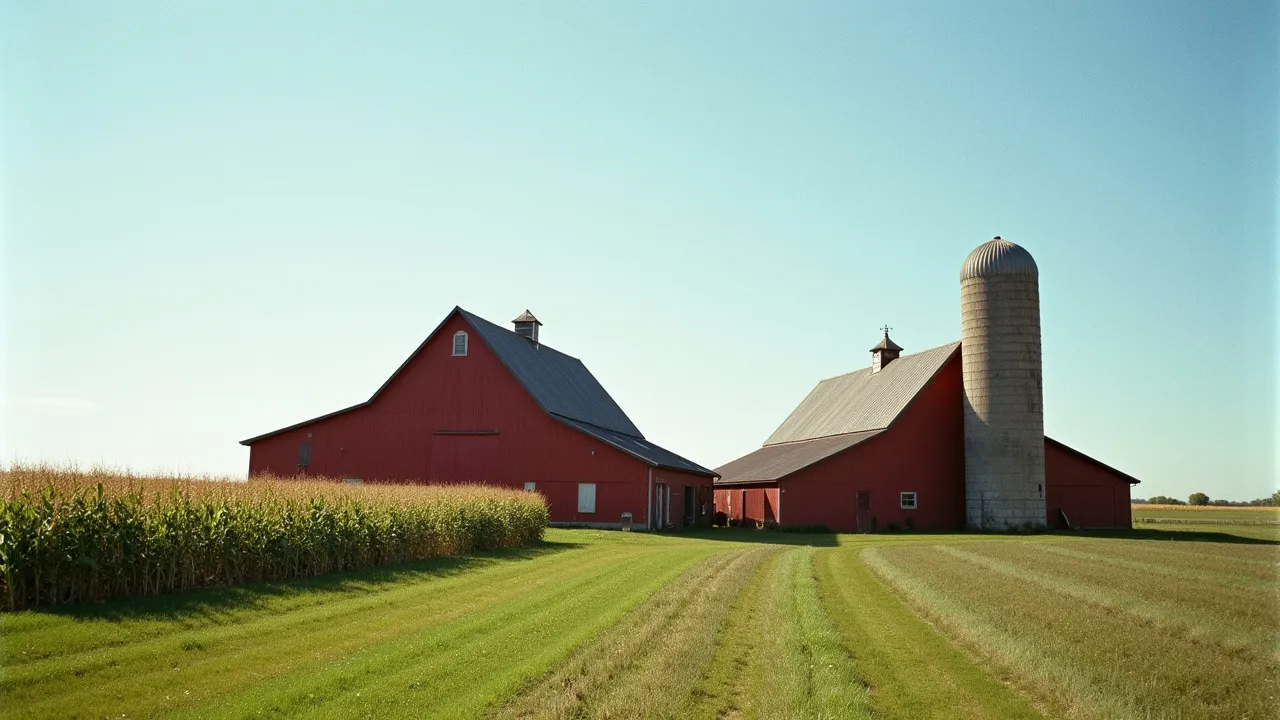
Celebrated on February 8th, National Iowa Day honors the state's rich agricultural heritage, cultural contributions, and natural beauty. Explore the history of Iowa's journey from frontier territory to a modern hub of innovation and community.
The Historical Origins & Evolutionary Journey
National Iowa Day, observed annually on February 8th, was established by the National Day Calendar in 2017 as a dedicated occasion to celebrate the state of Iowa. The date was chosen to coincide with the anniversary of Iowa's admission to the Union as the 29th state on December 28, 1846, but February 8th was selected to avoid the holiday season and highlight Iowa's winter charms. This section delves into the state's foundational story and the creation of the observance.
The Foundational Catalyst: Iowa's Early History
Long before European settlement, the region that is now Iowa was home to Indigenous tribes such as the Ioway, Sioux, and Sauk. The name "Iowa" itself derives from the Ioway people. The land became part of the United States through the Louisiana Purchase in 1803. Iowa Territory was established in 1838, and after a period of rapid settlement and growth, statehood was granted in 1846. The arrival of railroads and the Homestead Act spurred agricultural development, making Iowa a leading producer of corn, soybeans, and pork.
The Legislative/Official Adoption
National Iowa Day was not created by legislative act but was rather proclaimed by the National Day Calendar as part of its effort to recognize each state. The day gained traction through social media and local celebrations, quickly becoming an annual tradition. While not an official public holiday, many Iowans and Iowa enthusiasts mark the day with community events, educational activities, and pride in their state's heritage.
Modern Global Legacy
Today, National Iowa Day is observed not only in Iowa but by expatriates and fans of the state around the world. The day promotes tourism, local business, and awareness of Iowa's contributions to American agriculture, literature (e.g., Grant Wood, Bill Bryson), and politics (the Iowa Caucuses). The observance has evolved to include virtual events and social media campaigns, ensuring its relevance in the digital age.
How to Celebrate National Iowa Day
National Iowa Day offers a perfect opportunity to explore the state's unique culture, history, and landscapes. Whether you are a lifelong Iowan or simply curious about the Heartland, here are comprehensive ways to celebrate the day.
For Individuals and Families
- Cook an Iowa-themed meal: Prepare classic dishes like Iowa pork chops, corn on the cob, and Maid-Rite loose meat sandwiches. For dessert, try a slice of "Iowa" pie or a scoop of Blue Bunny ice cream.
- Explore the outdoors: Visit one of Iowa's many state parks, such as Ledges State Park or Maquoketa Caves. If winter weather permits, enjoy cross-country skiing or ice fishing.
- Support local businesses: Shop at Iowa-based companies or farmers' markets. Look for products like Popcornopolis popcorn, Maytag cheese, or Amana Colonies goods.
For Schools and Organizations
- Educational programs: Host a Iowa history lesson featuring the state flag, state flower (wild rose), and state bird (American goldfinch). Show documentaries on the Iowa Caucuses or the state's role in the Underground Railroad.
- Cultural fairs: Organize a booth with Iowa memorabilia, including photos of the covered bridges of Madison County, the Bridges of Madison County film, and artwork by Grant Wood.
- Community service: Volunteer at local food banks or community gardens—a nod to Iowa's agricultural roots. Partner with organizations like the Iowa Food Bank Association.
Global Celebrations
While primarily a US observance, Iowa expats in countries like Japan or Germany may host potlucks or online meetups. Social media campaigns using #NationalIowaDay allow people worldwide to share photos of their Iowa connections, from university alumni to memorabilia collectors. Restaurants abroad may feature Iowa-style BBQ or corn-based dishes.
Iowa's Agricultural Impact on the World
Iowa is often called the "Food Capital of the World" due to its immense agricultural output. The state leads the US in corn, soybean, and pork production. This section explores how Iowa's farms have shaped global food systems.
Corn: The Backbone
Iowa produces more corn than any other state, with annual harvests exceeding 2.5 billion bushels. This corn is used for animal feed, ethanol, and human food products like cereal and sweeteners. The state's fertile soil and advanced farming techniques have made it a model for agricultural efficiency worldwide.
Soybeans and Livestock
Iowa is also the top producer of soybeans, mainly for export to countries like China. Additionally, the state leads in pork production, raising over 20 million pigs each year. The pork industry supports thousands of jobs and contributes significantly to the state's economy.
Sustainable Farming Initiatives
In recent years, Iowa farmers have adopted precision agriculture, cover crops, and no-till methods to reduce environmental impact. These practices are shared globally through agricultural exchange programs, cementing Iowa's role as an innovator in sustainable farming.
Cultural Contributions: Art, Literature, and Music
Iowa has a surprisingly rich cultural heritage, producing influential artists, writers, and musicians. This section highlights key figures and events.
Grant Wood and American Gothic
One of the most recognizable paintings in American art, American Gothic (1930), was created by Iowan Grant Wood. The painting's stern farmer and daughter represent the resilience of rural America. Wood's regionalist style celebrated the Midwest.
Literary Icons
Iowa is home to the Iowa Writers' Workshop, the first creative writing program in the US. Alumni include Flannery O'Connor, Kurt Vonnegut, and many Pulitzer Prize winners. The state also inspires authors like Bill Bryson (born in Des Moines) and Marilynne Robinson (set novels in Iowa).
Music and Film
Iowa has a vibrant music scene from the Bix Beiderbecke Jazz Festival to modern acts like Slipknot (from Des Moines). The film Field of Dreams (1989), shot in Dyersville, celebrates baseball and Iowan values.
The Iowa Caucuses: Political Impact
Every four years, Iowa holds the first caucuses in the US presidential nomination process. This gives the state outsized influence in selecting party candidates. The caucuses are known for their grassroots nature, with voters gathering in precincts to debate and vote. This section explains their history and significance.
Origins
The modern Iowa Caucuses began in 1972, when Democratic candidates campaigned heavily in the state. Since then, Iowa has been a proving ground for candidates, often making or breaking campaigns. The state's agricultural demographics and balanced urban-rural mix provide a microcosm of the nation.
Criticism and Reforms
In recent years, the caucuses have faced criticism for lack of diversity and technical issues (e.g., 2020 reporting delays). However, they remain a cherished tradition for many Iowans, especially older voters. Some states have proposed replacing caucuses with primaries, but Iowa's first-in-the-nation status is protected by state law.
Natural Wonders and Outdoor Recreation
Beyond farmland, Iowa offers diverse landscapes from the Mississippi River bluffs to the Loess Hills. This section highlights the state's natural beauty and recreational opportunities.
State and National Parks
Iowa boasts 84 state parks, including Maquoketa Caves State Park with 13 caves, Pikes Peak State Park overlooking the Mississippi, and Effigy Mounds National Monument preserving ancient Native American mounds. The Iowa Great Lakes (Okoboji region) offer boating and fishing.
Trails and byways
The Raccoon River Valley Trail is one of the longest biking trails in the US (over 70 miles). The Loess Hills National Scenic Byway winds through unique wind-deposited soil formations. Birdwatching is popular, especially during the migration of bald eagles along the Mississippi River.
Winter Activities
Despite cold winters, Iowans enjoy ice fishing, snowmobiling, and skiing at Sundown Mountain Resort. The holiday lights at the Des Moines Botanical Center attract many visitors.
Economic Innovations and Industrial Growth
While agriculture is king, Iowa has diversified into manufacturing, insurance, and renewable energy. This section examines key industries.
Manufacturing and Technology
Iowa is a major producer of agricultural machinery (e.g., John Deere, Vermeer), food processing equipment, and prefabricated homes. The state has a growing tech sector, particularly in Des Moines and Cedar Rapids, known for data centers (Google, Microsoft) and financial services.
Renewable Energy
Iowa is a national leader in wind energy, with over 40% of its electricity from wind turbines. The state also produces ethanol and biodiesel from corn and soybeans, reducing dependence on fossil fuels.
Insurance Hub
Des Moines is a major insurance center, home to companies like Principal Financial Group and Nationwide's Midwest operations. The insurance industry provides stable employment and contributes to the state's robust economy.
Historical Timeline
French explorers Jacques Marquette and Louis Joliet reach the Mississippi River and explore the Iowa region, opening the area for European exploration.
Iowa Territory is established with Burlington as the capital. The area previously was part of the Michigan Territory and Wisconsin Territory.
Iowa becomes the 29th state on December 28, 1846. The state capital moves to Des Moines in 1857.
The first railroad reaches the Mississippi at Davenport, accelerating settlement and commerce.
Iowa farmers produce record harvests during World War I, solidifying the state's role as a national breadbasket.
Grant Wood completes 'American Gothic', which becomes an iconic image of rural America.
The Iowa Caucuses become the first major electoral event in the US presidential nomination process, starting with Democratic candidates.
The Iowa Cubs minor league baseball team is established in Des Moines, fostering local sports culture.
National Day Calendar proclaims February 8th as National Iowa Day, encouraging celebrations of the state's heritage.
The Iowa Democratic Party faces significant delays and technical issues in reporting caucus results, prompting calls for reform.