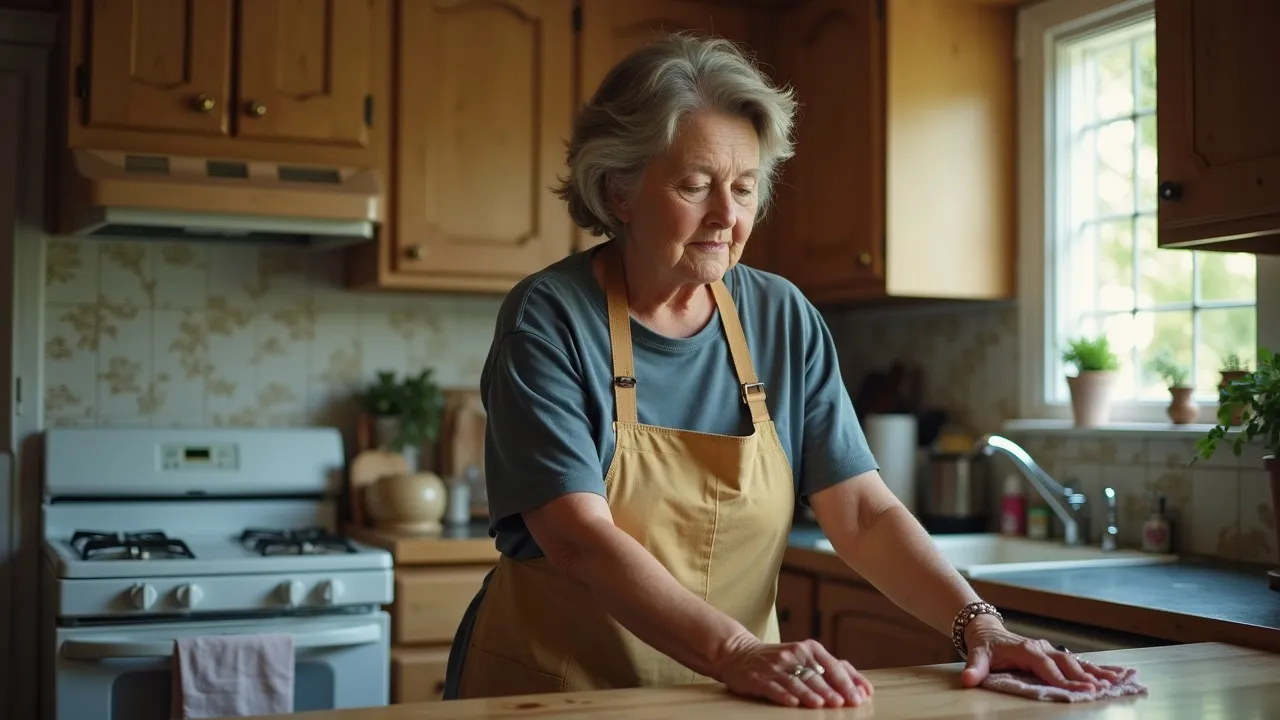
National Housewife's Day, observed on November 3rd, honors the tireless contributions of housewives to family and society. It recognizes the often-unpaid labor of managing households and raising children.
The Historical Origins & Evolutionary Journey
National Housewife's Day, observed annually on November 3rd, is a day dedicated to celebrating the often-unsung labor of housewives. While the exact origins remain obscure, the day emerged from grassroots recognition of the essential role women play in managing households, raising children, and maintaining family stability. Unlike many official holidays, it was not established by a single person or government decree but evolved organically within American culture during the mid-20th century.
The Foundational Catalyst
The post-World War II era saw a cultural shift that idealized the suburban homemaker. Media, such as television shows and magazines, portrayed the housewife as a central figure in the American Dream. This period also witnessed the rise of home economics as a respected field, further emphasizing the importance of domestic management. The informal creation of National Housewife's Day likely stemmed from a desire to acknowledge the work behind this idealized image, recognizing that maintaining a home required significant skill and effort.
Legislative or Official Adoption
Contrary to other observance days, National Housewife's Day has no formal proclamation from the U.S. Congress or presidential decree. It remains a greeting card holiday, promoted by card companies and lifestyle magazines in the 1950s and 1960s. This commercial origin actually helped legitimize the day, providing a platform for appreciation gifts and special acknowledgment. Some sources trace its first mention to a 1954 issue of Housewife magazine, but definitive records are lacking.
Modern Global Legacy
While primarily recognized in the United States, the concept of honoring domestic workers has parallels worldwide. Countries like Japan celebrate Shufu no Hi (Housewife's Day) on November 11th, and Mexico observes Día del Ama de Casa on March 1st. However, November 3rd remains the most widely recognized date for National Housewife's Day in English-speaking cultures. In recent years, the day has evolved to encompass all forms of domestic work, including stay-at-home fathers and remote workers who manage households while balancing careers.
How to Celebrate National Housewife's Day
Celebrating National Housewife's Day can range from simple gestures of gratitude to more elaborate acts of recognition. The key is to show appreciation for the daily efforts that often go unnoticed. Below are actionable ideas for individuals, families, and organizations.
Individual and Family Celebrations
- Write a heartfelt note: Express your thanks for specific tasks or qualities that make a difference in your life.
- Gift of relaxation: Offer a spa day, a favorite book, or a dedicated quiet time free from chores.
- Take over the duties: Spouses and children can manage all household responsibilities for the day, allowing the housewife to rest.
- Cook a meal together: Involve the whole family in preparing dinner, sharing the joy of cooking.
Corporate and Community Recognition
- Employers can recognize employees who balance work and home life with small gift cards or flexible hours.
- Local community centers might host workshops on home management or offer free classes on cooking, budgeting, or organization.
- Social media campaigns using hashtags like #NationalHousewifesDay can amplify the message and share stories of appreciation.
Global Variations in Celebration
While November 3rd is predominantly American, other cultures have their own traditions. In Japan, Shufu no Hi on November 11th often involves husbands giving flowers or gifts to their wives. In Mexico (March 1st), children may prepare breakfast for their mothers, and there are often public speeches acknowledging the role of homemakers. Even within the United States, the day is more commonly observed in the Midwest and South, where traditional family structures remain prevalent.
Societal Impact and Recognition
National Housewife's Day serves as a mirror reflecting society's evolving views on domestic labor. In the 1950s, the day reinforced traditional gender roles, but today it champions the value of all unpaid care work. Studies estimate that if housewives were paid for their labor, the US GDP would increase by nearly 25% (an estimated $2.5 trillion annually). This section explores the day's broader influence.
Economic Contributions
The work of housewives includes cooking, cleaning, child-rearing, elder care, budgeting, and household management. These tasks are essential to the functioning of the economy but remain largely invisible in official statistics. National Housewife's Day highlights this disparity, encouraging conversations about fair compensation and social security benefits for homemakers. Some advocacy groups use the day to promote policies like caregiver tax credits and retirement contributions for stay-at-home parents.
Cultural Shift
The day has also adapted to modern family structures. As more women entered the workforce, the term 'housewife' itself became controversial. In response, many now refer to the day as 'National Homemaker's Day' to include men and non-binary individuals who manage households. This evolution reflects a broader cultural shift toward recognizing domestic work as a shared responsibility, not a gendered role.
Challenges and Modern Evolution
While National Housewife's Day is a celebration, it also highlights ongoing challenges faced by homemakers. These include social isolation, lack of professional development, and financial dependence. The modern evolution of the observance addresses these issues.
Social Isolation
Many housewives, especially those with young children, experience loneliness. The day encourages outreach, with neighbors organizing playgroups or coffee meetups. Online communities also thrive, offering support and advice through forums and social media groups.
Professional Development
Some housewives leverage the day to start small businesses from home, such as baking, crafts, or online consulting. Local libraries and community colleges often offer free workshops on entrepreneurship, aligning with the day's spirit of appreciation.
Financial Security
Financial planners sometimes conduct seminars on National Housewife's Day, teaching budgeting, investing, and retirement planning tailored to households with one income. This empowers homemakers to take control of their financial future.
Economic and Cultural Significance
The economic value of a housewife's labor is immense. According to a 2023 study by Salary.com, the annual median salary for a stay-at-home parent (if paid) would be over $180,000 per year for working more than 90 hours per week. National Housewife's Day underscores this valuation and advocates for recognition in national accounts.
Cultural Representation in Media
Film and television have often portrayed housewives as either idealized or stereotyped figures. Recent shows like The Marvelous Mrs. Maisel and Julia have offered more nuanced depictions, showing the intelligence and ambition of women who choose domestic life. The day provides an opportunity to critique and improve these representations, highlighting the diverse experiences of homemakers across ethnicities and socioeconomic backgrounds.
Comparative International Insights
In Scandinavian countries, policies like generous parental leave and subsidized childcare have reduced the 'housewife' role, yet the day is still observed as a reminder of the unpaid work that sustains families. In South Korea, a similar observance on May 21st (Family Day) focuses on spousal appreciation. These international perspectives show that while the date and name may vary, the core sentiment remains universal.
Global Perspectives and Similar Observances
National Housewife's Day shares space with various similar observances worldwide. Understanding these can enrich appreciation for the day.
- Japan: Shufu no Hi (Housewife's Day) on November 11th, with traditions of husbands cooking dinner or giving gifts.
- Mexico: Día del Ama de Casa (Housewife's Day) on March 1st, often with children making crafts and schools holding events.
- India: National Women's Day (February 13th) sometimes includes honoring homemakers, but no dedicated housewife day exists.
- United Kingdom: Mothering Sunday (the fourth Sunday of Lent) originally honored mothers but has evolved to include all domestic caregivers.
- Australia: National Stay at Home Parent Day (May 1st) is a similar observance focusing on both genders.
These comparisons reveal that while the date and specific traditions differ, the underlying goal—to appreciate the labor of managing a home—is a cross-cultural constant.
Historical Timeline
First known mention of National Housewife's Day appears in a popular homemaking magazine, suggesting informal celebrations.
Greeting card companies begin producing special Housewife's Day cards, increasing the day's visibility.
A grassroots campaign by homemaker associations pushes for official recognition, but no federal adoption occurs.
The United Nations recognizes unpaid domestic work in its Human Development Index, giving new relevance to the day.
Social media amplifies National Housewife's Day, with hashtags and online appreciation posts becoming common.
Several US states issue proclamations honoring homemakers on November 3rd, though not nationally binding.
During the COVID-19 pandemic, the day gains heightened attention as many families experience the full scope of domestic work.
Advocacy groups use the day to lobby for caregiver tax credits and social security modifications for homemakers.