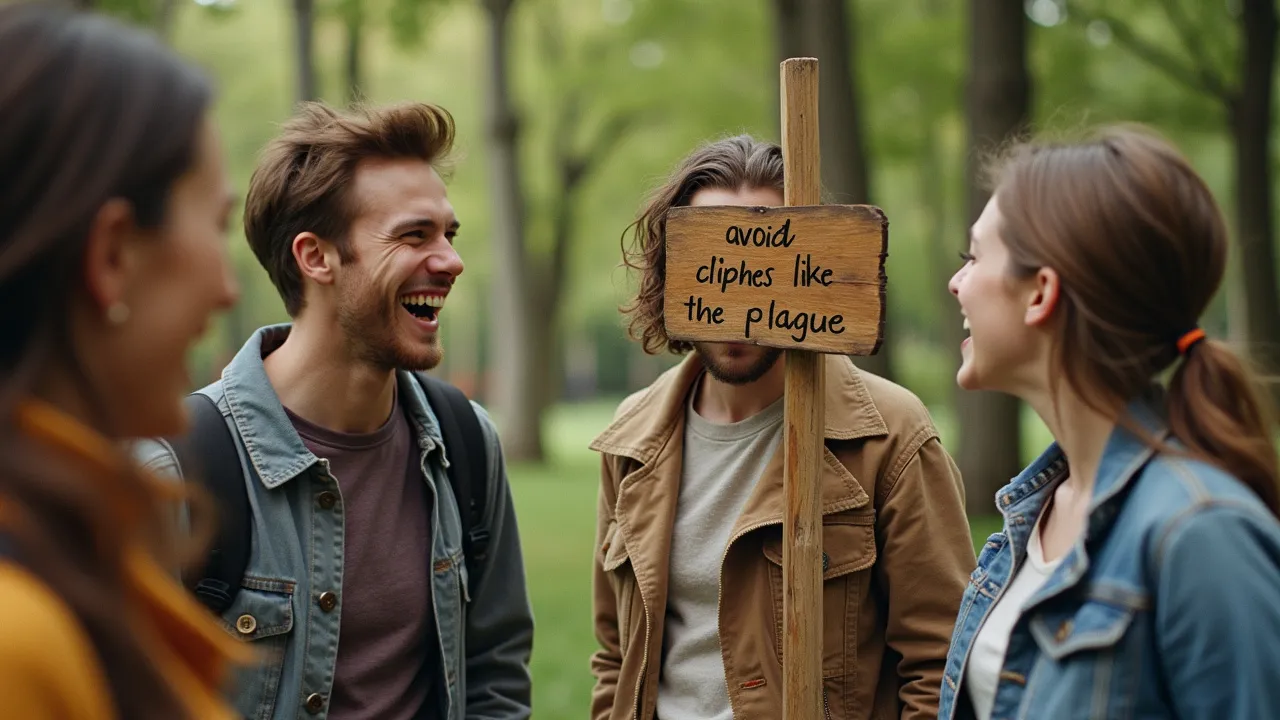
Cliché Day, observed annually on November 3rd, is a lighthearted celebration of the overused phrases and expressions that pepper our daily language. Embrace the clichés and enjoy the familiarity they bring.
History and Origins
Cliché Day, celebrated on November 3rd, is a relatively modern observance that emerged from the playful side of internet culture. While the exact origins are murky, the day gained traction in the early 2000s through online calendars and social media. The term 'cliché' itself has a rich history, originating from the French word for a printing stereotype plate.
The Birth of a Cliché
The word 'cliché' first appeared in English in the 19th century, borrowed from French printers who used the term to describe a cast-iron plate that reproduced the same text repeatedly. Over time, it evolved to describe overused expressions or ideas. Cliché Day likely began as a humorous counter-movement to the constant pressure to be original.
Cultural Impact
Clichés are often derided as lazy language, but they serve important social functions. They create a sense of belonging and shared understanding. On Cliché Day, people are encouraged to deliberately use as many clichés as possible, turning a linguistic vice into a virtue.
Modern Adoption
Today, Cliché Day is celebrated online with hashtags like #ClicheDay and #EmbraceTheCliché. People share their favorite clichés, create memes, and even host cliché-themed parties. The day is a reminder that not everything needs to be groundbreaking—sometimes, the familiar is comforting.
How to Celebrate Cliché Day
Celebrating Cliché Day is all about having fun with language and embracing the overused. Here are some practical ways to observe the day, whether you're at home, in school, or at work.
For Individuals
- Speak in clichés all day: Use phrases like 'at the end of the day,' 'think outside the box,' and 'it is what it is.'
- Watch cliché-filled movies: Choose films known for their tropes, like romantic comedies or action blockbusters.
- Write a cliché story: Compose a short story that uses as many clichés as possible.
For Schools and Groups
- Host a cliché bingo: Create bingo cards with common clichés and mark them off as they hear them.
- Cliché dress-up: Wear outfits that represent clichés, like 'the man in black' or 'the girl next door.'
- Debate the value of clichés: Discuss when clichés are useful and when they hinder communication.
For Organizations
Corporate communication challenge: Encourage employees to avoid clichés in emails for a day, then celebrate by allowing them. This highlights how overused phrases can become invisible.
Social media campaign: Use the day to engage followers by asking them to share their most hated or favorite clichés. Use a branded hashtag.
The Psychology of Clichés
Why do we use clichés? Psychologically, clichés serve as cognitive shortcuts. They allow us to convey complex emotions or ideas quickly without deep thinking.
Comfort and Familiarity
Clichés create a sense of shared experience. When someone says 'time heals all wounds,' it provides comfort because it's a known truth. However, overreliance can lead to linguistic laziness and loss of nuance.Social Bonding
Using clichés can signal group membership. In certain contexts, using the right cliché can build rapport. Conversely, avoiding clichés can set one apart as an original thinker.
Creativity vs. Convention
Clichés are often the enemy of creativity in writing and art. But on Cliché Day, we flip the script and celebrate the commonplace. It's a day to recognize that sometimes, the old ways have value.
Clichés in Literature and Media
From Shakespeare to modern cinema, clichés have shaped our cultural landscape.
Literary Clichés
Many famous quotes started as fresh metaphors and became clichés through overuse. 'All's well that ends well' is itself a cliché now. Writers often subvert clichés to create impact.
Film Tropes
Clichés in movies include the 'damsel in distress' or the 'hero's journey'. These tropes are so ingrained that audiences expect them. On Cliché Day, we can enjoy these predictable elements ironically.
Music and Advertising
Song lyrics and ad slogans are filled with clichés like 'love is a battlefield' or 'just do it'. They work because they resonate universally. This day invites us to critique and appreciate them.
Global Perspectives on Clichés
While Cliché Day is mainly observed in English-speaking countries, the concept of clichés exists in all languages.
Regional Variations
- France: Known for its disdain of clichés, yet they have their own, like 'c'est la vie'.
- Japan: Clichés often involve nature, like 'the nail that sticks out gets hammered down'.
- Spain: 'No hay mal que por bien no venga' (every cloud has a silver lining).
Each culture's clichés reveal shared values. On November 3rd, people around the world can share their local clichés online, fostering cross-cultural understanding.
The Future of Clichés in the Digital Age
With the rise of internet memes and AI-generated text, clichés evolve faster than ever.
Internet Clichés
Phrases like 'this is the way' or 'I can't even' become clichéd within months. Cliché Day may expand to include these digital phenomena.
AI and Clichés
AI language models often fall back on clichés because they are statistically common. On Cliché Day, we can reflect on what makes language original.
The day serves as a reminder that even as we innovate, we rely on the familiar. Clichés are not going away; they are part of the language lifecycle.
Historical Timeline
The term 'cliché' enters English from French printing jargon, originally meaning a stereotype plate for repeated printing.
First recorded use of 'cliché' in a figurative sense in English literature, referring to an overused expression.
Cliché Day is first mentioned on internet calendars and humor websites, with November 3rd as the date.
Social media platforms like Twitter see the first #ClicheDay hashtag, popularizing the observance.
Cliché Day gains mainstream media coverage, with articles in online magazines and blogs offering celebration ideas.