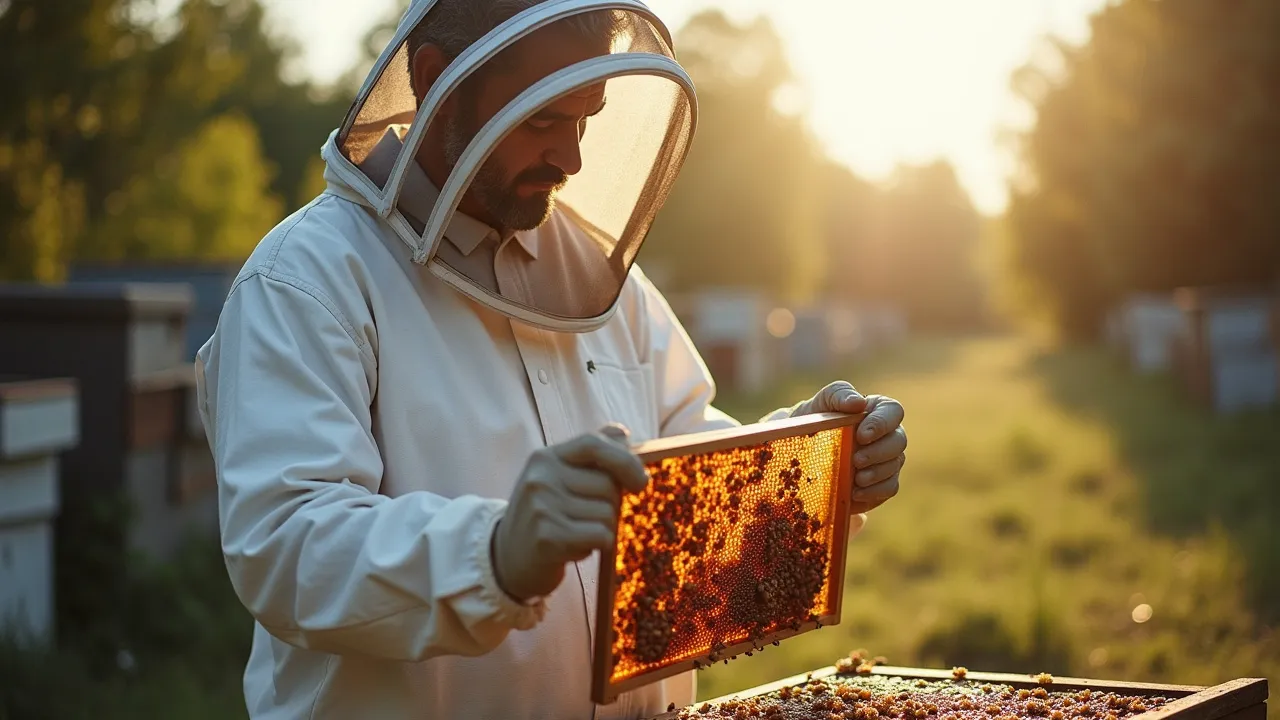
National Honey Month Kickoff on September 1st marks the beginning of a month-long celebration honoring honey and bees. Discover the history, health benefits, and global traditions that make this observance a sweet start to fall.
The Historical Origins & Evolutionary Journey of National Honey Month Kickoff
National Honey Month Kickoff, observed annually on September 1st, is the ceremonial start of National Honey Month in the United States. This observance was established to promote the beekeeping industry, highlight the nutritional value of honey, and recognize the critical role of pollinators in our ecosystem.
The Foundational Catalyst
Honey has been cherished by humans for millennia, with evidence of honey collection dating back to 8,000-year-old cave paintings in Spain. In the United States, the honey bee (Apis mellifera) was introduced by European settlers in the 1600s, and by the 20th century, beekeeping had become a significant agricultural sector. However, by the late 1990s, the industry faced challenges such as colony collapse disorder and competition from imported honey. To address these issues and raise public awareness, the National Honey Board — a federal research and promotion board under USDA oversight — proposed a month dedicated to honey. The goal was to educate consumers about honey's origins, uses, and benefits while supporting American beekeepers.
The Legislative/Official Adoption
In 2001, the National Honey Board officially designated September as National Honey Month, with September 1st serving as the kickoff date. This timing aligns with the end of summer harvests and the beginning of honey collection season in many regions. The observance was not passed as a federal law but rather established as a national awareness campaign through industry consensus. It gained traction through partnerships with beekeepers, food retailers, and agricultural organizations. The kickoff date was chosen to maximize participation, as Labor Day weekend often falls near September 1st, providing an opportunity for honey-themed festivals and promotions.
Modern Global Legacy
While National Honey Month is primarily a U.S. observance, its influence has spread globally. Countries like Canada, Australia, and the United Kingdom have adopted similar honey-themed months, though on different dates. For instance, World Bee Day on May 20th complements the U.S. focus. Today, National Honey Month Kickoff is celebrated with beekeeper open houses, honey tastings, educational programs in schools, and social media campaigns. The observance has also evolved to emphasize environmental stewardship, as bees are vital pollinators for over one-third of global food crops. Modern celebrations often incorporate themes of sustainability, local food movements, and biodiversity protection.
How to Celebrate National Honey Month Kickoff
Celebrating National Honey Month Kickoff, observed on September 1st, offers endless opportunities for individuals, families, schools, and organizations to honor honey and bees. Below is a comprehensive guide to making the most of this special day.
For Individuals and Families
- Host a Honey Tasting Party: Sample different honey varieties from around the world—clover, manuka, orange blossom, lavender, and buckwheat. Pair them with cheeses, fruits, and breads to explore flavor profiles.
- Visit a Local Apiary: Many beekeepers offer tours on September 1st. Learn about hive management, try raw honey straight from the comb, and purchase local products.
- Cook with Honey: Replace sugar with honey in recipes. Try honey-glazed carrots, baklava, or a simple honey lemonade. Share your creations on social media using #NationalHoneyMonth.
For Schools and Educational Institutions
- Classroom Activities: Teach students about pollination with hands-on experiments. Plant bee-friendly flowers in school gardens.
- Bee Expert Visits: Invite a beekeeper to speak about the importance of bees. Show a documentary like 'The Pollinators'.
- Art Contests: Organize a honey-themed art contest—posters, bee sculptures, or honey label designs.
For Organizations and Businesses
- Employee Engagement: Offer honey-infused snacks in break rooms. Host a volunteer day for a local beekeeping association.
- Marketing Campaigns: Highlight honey-based products with discounts. Launch a 'Bee Friendly' initiative, donating a portion of sales to pollinator conservation.
- Community Partnerships: Sponsor a 'Honey Harvest Festival' with live music, cooking demos, and beekeeping workshops.
Across the globe, different cultures put their own spin on the kickoff. In the United States, the South hosts honey festivals; in Mexico, traditional Mayan honey ceremonies; in New Zealand, manuka honey harvest celebrations. The key is to start conversations about the vital role of bees and the sweet rewards they provide.
The Economic Impact of Honey Production
Honey production is not just a sweet hobby—it is a multi-billion dollar industry with profound economic implications. As we kick off National Honey Month on September 1st, it is crucial to understand the financial backbone of beekeeping.
Global Honey Market Statistics
The global honey market was valued at approximately $9.5 billion in 2023 and is projected to reach $13.5 billion by 2030, growing at a CAGR of 5.1%. Major producers include China, Turkey, Argentina, Ukraine, and the United States. The U.S. alone produces around 140 million pounds of honey annually, with an economic contribution of $3.2 billion from honey sales alone. However, the true value includes pollination services—bees contribute $20 billion to U.S. crop production each year by pollinating fruits, vegetables, and nuts.
Challenges and Opportunities
- Colony Collapse Disorder (CCD): Since 2006, CCD has caused annual losses of 30-50% of managed bee colonies in the U.S., threatening honey supply.
- Imports vs. Local: The U.S. imports about 60% of its honey, often cheaper but sometimes adulterated. National Honey Month Kickoff promotes local honey, supporting domestic beekeepers.
- Value-Added Products: Beyond honey, beekeepers produce beeswax, propolis, royal jelly, and pollen—adding to farm income.
Regional Economic Significance
In states like North Dakota, California, and Florida, beekeeping is a major agricultural sector. For example, North Dakota leads the U.S. in honey production, contributing over $250 million annually. The kickoff of National Honey Month provides a platform for beekeepers to market their harvests directly to consumers through farmers' markets and online sales, boosting rural economies.
Health Benefits of Honey: A Natural Superfood
Honey has been used medicinally for thousands of years, and modern science continues to validate its health-promoting properties. As National Honey Month Kickoff on September 1st approaches, understanding these benefits can enrich your appreciation.
Nutritional Composition
Honey is primarily composed of fructose and glucose, but it also contains trace enzymes, antioxidants, vitamins (B6, niacin, riboflavin), and minerals (calcium, iron, magnesium). Raw, unprocessed honey retains more beneficial compounds than filtered honey.
Key Health Benefits
- Sore Throat and Cough Relief: Studies show honey can be as effective as over-the-counter cough suppressants. A spoonful before bed soothes irritation.
- Wound Healing: Medical-grade honey (like manuka) has antibacterial properties that promote wound healing and prevent infection.
- Antioxidant Power: Honey's phenolic compounds reduce oxidative stress, lowering the risk of chronic diseases such as heart disease and cancer.
- Digestive Health: Prebiotics in honey support gut bacteria, aiding digestion and potentially alleviating gastritis.
Types of Honey and Their Benefits
Different floral sources produce unique benefits. Manuka honey from New Zealand has potent antibacterial activity due to methylglyoxal. Buckwheat honey is rich in antioxidants. Lavender honey is known for its calming effects. Incorporating a variety of raw, local honeys into your diet can maximize health advantages.
It's important to note that infants under 12 months should not consume honey due to risk of botulism. For others, moderate consumption (1-2 tablespoons daily) is safe and beneficial.
Honey Varieties Around the World
Honey is not a monolithic substance—its flavor, color, and texture vary dramatically depending on the flowers bees visit. National Honey Month Kickoff on September 1st is the perfect opportunity to explore this diversity.
North America
- Clover Honey: Mild and sweet, the most common U.S. variety. Produced in abundance across the Midwest.
- Orange Blossom Honey: Light citrus flavor, popular in Florida and California.
- Tupelo Honey: Golden and buttery, from the swamps of the Southeast. It resists crystallization.
Europe
- Lavender Honey: Floral and aromatic, from Provence, France.
- Acacia Honey: Very light and slow to crystallize, from Hungary and Romania.
- Chestnut Honey: Dark, bitter, and intense, favored in Italy.
Asia and Oceania
- Manuka Honey: From New Zealand, famous for antibacterial properties.
- Jujube Honey: A traditional Chinese remedy, sweet with a hint of spice.
- Leatherwood Honey: Endemic to Tasmania, with a strong, woody flavor.
Tasting honey from different regions is like wine tasting. Host a honey flight with local and imported varieties to appreciate terroir. Many beekeepers offer honey with the comb—a delicacy that provides beeswax as a bonus.
Environmental Role of Bees and Pollinators
Bees are the unsung heroes of our food system, and National Honey Month Kickoff on September 1st reminds us of our responsibility to protect them. Beyond honey, bees provide essential pollination services.
Pollination Facts
About 75% of global food crops depend on animal pollinators, with honey bees contributing to the production of apples, almonds, blueberries, cherries, and many others. In the U.S., pollination services by managed honey bees are valued at over $15 billion annually. Wild bees and other insects also play vital roles.
Threats to Bee Populations
- Pesticides: Neonicotinoids are particularly harmful, causing disorientation and colony collapse.
- Habitat Loss: Urbanization and monoculture farming reduce floral diversity and nesting sites.
- Climate Change: Shifting bloom times disrupt the synchronization between flowers and bee emergence.
- Diseases and Parasites: Varroa mites and viruses devastate hives.
How You Can Help
- Plant Bee-Friendly Gardens: Choose native flowers like coneflowers, sunflowers, and lavender. Avoid pesticides.
- Support Local Beekeepers: Buy honey and beeswax products from nearby sources.
- Advocate for Policy: Encourage local governments to enact pollinator protection ordinances.
- Provide Water: A shallow dish with pebbles gives bees a safe drinking spot.
Every action taken during National Honey Month can have lasting positive impacts on pollinator health.
Honey in Culinary Traditions: From Ancient to Modern
Honey has been a cornerstone of culinary arts for centuries, from ancient Egyptian cakes to modern gastronomy. On September 1st, National Honey Month Kickoff invites us to explore honey's versatile role in the kitchen.
Historical Uses
In ancient Rome, honey was used to preserve fruit and sweeten wine. In medieval Europe, it was the primary sweetener before sugar became widely available. The Vikings consumed mead, a fermented honey drink. In many cultures, honey has symbolic meanings—often associated with prosperity and love.
Modern Culinary Applications
- Baking: Honey adds moisture and a distinct flavor to breads, cakes, and cookies. Substitute 1 cup sugar with 3/4 cup honey, reducing liquid by 1/4 cup.
- Savory Dishes: Glazes for meats (e.g., honey ham, honey sesame chicken), salad dressings, and marinades.
- Beverages: Honey tea, lattes, smoothies, and cocktails like the Bee's Knees (gin+lemon+honey).
- Cheese Pairings: Drizzle over sharp cheeses like blue cheese or aged cheddar.
National Honey Month Kickoff Recipes
Try making honey butter (whipped butter+ honey+ sea salt) for dinner rolls. Or a honey lavender ice cream. For a savory twist, honey-roasted carrots with thyme. The kickoff is a chance to experiment in the kitchen and share honey-forward meals with family and friends.
Historical Timeline
Cave paintings in Spain depict humans collecting honey from wild bees, marking the earliest known evidence of honey harvesting.
Ancient Egyptians document beekeeping practices, using smoke to pacify bees and extracting honey from clay hives.
European settlers bring the first honey bees to the American colonies, establishing the foundation of U.S. beekeeping.
Reverend Lorenzo Langstroth invents the modern movable-frame beehive, revolutionizing beekeeping with removable frames that prevent comb destruction.
The U.S. Department of Agriculture begins research on honey bees and pollination, boosting agricultural productivity.
The National Honey Board, established under the Agricultural Marketing Service, starts promoting the creation of a national honey month.
National Honey Month is officially proclaimed, with September 1st designated as the kickoff date. First celebrations include educational events and media campaigns.
Colony Collapse Disorder (CCD) gains national attention, prompting increased focus on bee health during National Honey Month.
The White House announces the Pollinator Health Task Force, aligning with National Honey Month themes to protect bees.
National Honey Month Kickoff remains widely celebrated, with over 200 festivals and events across the U.S., emphasizing sustainability and local honey.