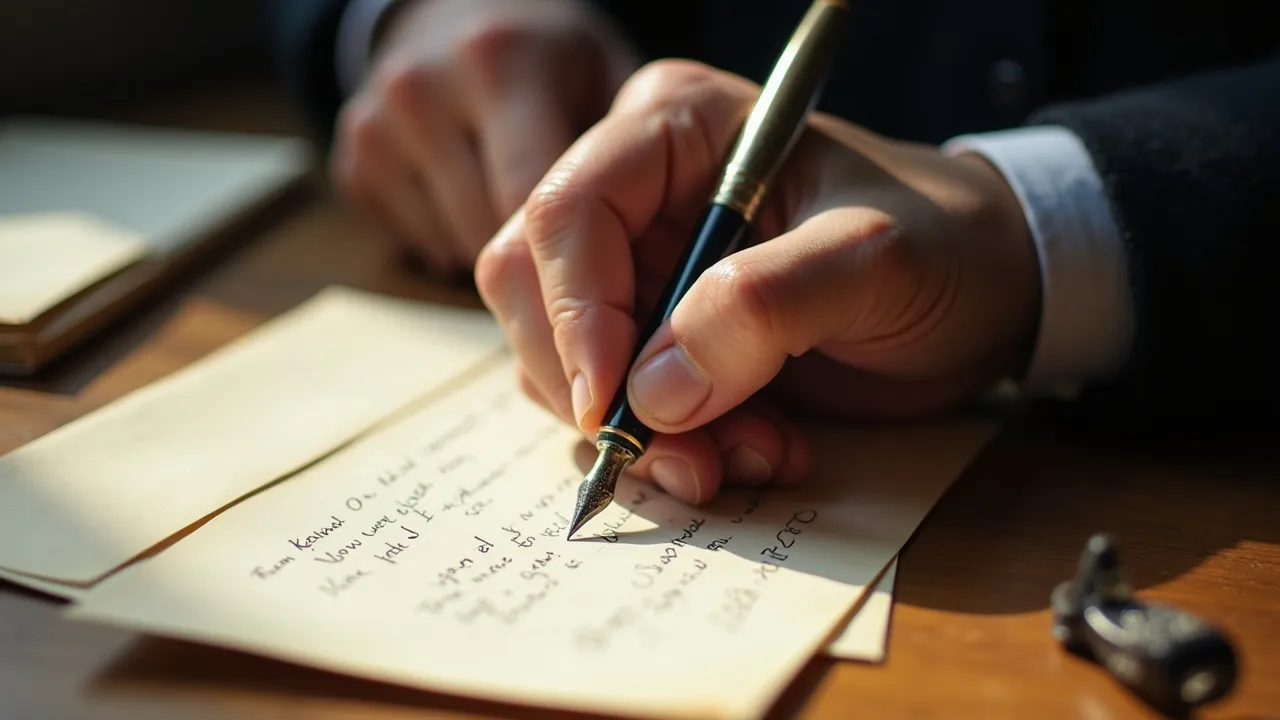
World Letter Writing Day, observed on September 1st, celebrates the timeless art of handwritten correspondence. Founded in 2014, this day encourages people worldwide to slow down and connect through the personal touch of a penned letter.
The Historical Origins & Evolutionary Journey
World Letter Writing Day, observed annually on September 1st, is a modern initiative rooted in the ancient tradition of letter writing. The day was founded in 2014 by Australian author John D., who sought to revive the personal, tangible connection that handwritten letters provide in an increasingly digital world. This section delves into the historical catalyst, official adoption, and global legacy of the observance.
The Foundational Catalyst
Letter writing has been a cornerstone of human communication for millennia, from clay tablets in Mesopotamia to papyrus scrolls in ancient Egypt. However, the decline of handwritten correspondence accelerated with the advent of email and instant messaging in the late 20th century. John D., struck by the loss of intimacy and thoughtfulness in communication, launched World Letter Writing Day as a grassroots campaign. His vision was simple: dedicate one day each year to write a letter by hand, thereby preserving a cultural heritage and fostering mindfulness.
Legislative and Official Adoption
Unlike many observances, World Letter Writing Day did not require legislative approval. It spread organically through social media, word of mouth, and support from postal services and stationery companies. By 2015, the day had gained international recognition, with events in schools, libraries, and community centers across Australia, the United States, the United Kingdom, and beyond. The United Nations Postal Administration (UNPA) has also endorsed the day, issuing commemorative stamps to promote literacy and cultural exchange.
Modern Global Legacy
Today, World Letter Writing Day serves as a counterbalance to digital saturation. It is celebrated not only by individuals but also by organizations like the Universal Postal Union and the World Literacy Foundation. The day has inspired annual letter-writing marathons, pen-pal matching services, and educational workshops. Its legacy lies in rekindling the art of correspondence, emphasizing patience, empathy, and the enduring power of the written word.
How to Celebrate World Letter Writing Day
World Letter Writing Day is a hands-on observance that anyone can join, regardless of age or location. Below are actionable strategies for individuals, schools, and organizations, broken down by region and tradition.
Individual Celebrations
- Write a Letter by Hand: Choose a friend, family member, or pen pal. Use high-quality paper and a fountain pen for a tactile experience. Reflect on shared memories or express gratitude.
- Start a Letter-Writing Circle: Invite a small group to write letters together in a cozy setting. Share tips on calligraphy or wax sealing.
- Send a Vintage Postcard: Collect postcards from local antique shops or travel destinations and mail them with thoughtful notes.
School and Educational Activities
- Classroom Workshops: Teach the structure of a friendly letter (date, salutation, body, closing). Have students write to veterans or nursing home residents.
- Pen-Pal Programs: Partner with a school in another country. Students exchange letters to learn about diverse cultures.
- History Lessons: Explore famous letters—from Abraham Lincoln’s condolence letter to Martin Luther King Jr.’s "Letter from Birmingham Jail."
Corporate and Organizational Initiatives
- Internal Campaigns: Encourage employees to write thank-you notes to colleagues or clients. Provide branded stationery.
- Community Letter Drives: Collect handwritten letters for hospital patients, soldiers overseas, or isolated seniors.
- Sponsor a Letter-Writing Contest: Offer prizes for the most creative or heartfelt letter.
Regional Variations
While September 1st is the primary date, some regions adapt the observance. In Japan, letter-writing culture is celebrated alongside Shūbun no Hi (Autumnal Equinox) in September. In Brazil, Dia da Carta on April 7 emphasizes similar values. Schools in the UK often tie activities to National Writing Day in June. Always check local postal services for special stamp releases or discounts.
The Art of Handwriting: Cognitive and Emotional Benefits
Handwriting is more than a skill—it is a cognitive exercise with profound psychological benefits. This section explores why writing by hand remains relevant.
Neurological Advantages
Studies show that handwriting activates distinct neural pathways compared to typing. The process of forming letters enhances memory retention, comprehension, and creativity. A 2020 study in Frontiers in Psychology found that college students who took handwritten notes performed better on conceptual exams than those who typed. The slower pace forces deeper processing.
Fine Motor Skills
Handwriting—especially with a fountain pen—refines fine motor skills and hand-eye coordination. For children, it aids in developing muscle memory that supports later typing proficiency.
Emotional and Social Impact
A handwritten letter conveys sincerity and effort. Recipients often report feeling more valued and connected. In a digital world flooded with impersonal messages, a handwritten note stands out as a tangible token of care. Therapists sometimes recommend letter writing as a tool for processing grief, expressing apologies, or strengthening relationships.
Digital Age Revival: How Technology Fuels Letter Writing
Paradoxically, the digital age has sparked a renaissance in handwritten correspondence. Social media, apps, and online communities now promote letter writing as a mindful alternative.
Pen-Pal Platforms
Websites like PenPal World and Global Penfriends connect millions of users worldwide. These platforms often host letter-writing challenges in honor of World Letter Writing Day. Participants exchange not only letters but also small gifts like stamps, bookmarks, or pressed flowers.
Stationery Subscriptions
Services like Little Paper Lane and Paper Gang deliver curated stationery kits monthly, fueling the hobby. Many offer special September boxes to celebrate the day.
Social Media Movements
Hashtags like #WorldLetterWritingDay and #HandwrittenLetter trend annually, inspiring users to share photos of their letters and envelopes. Instagram and Pinterest are rich resources for calligraphy tutorials, envelope art ideas, and vintage stamp collections.
Even email providers have joined in: services like Letterbird combine digital convenience with the aesthetic of handwritten fonts, while Thankster lets users type and send a handwritten-looking card via mail.
Global Traditions and Cultural Significance
Letter writing carries unique cultural weight across the world. This section highlights how different societies incorporate the practice into their heritage.
Japan: The Way of Writing
In Japan, letter writing is considered an art form (shuji). The careful choice of paper, ink, and even the season-appropriate postage stamp reflects respect for the recipient. World Letter Writing Day aligns with cultural events like Bunka no Hi (Culture Day) in November, but September 1st is increasingly recognized through school letter exchanges.
India: A Colonial Legacy
India has a rich tradition of letter writing, from the ancient patra to colonial-era postcards. The Indian postal service, one of the world’s largest, runs special campaigns on World Letter Writing Day to promote literacy in rural areas. Many schools host letter-writing competitions on themes like "Letter to My Future Self."
United States: From Front Porch to Social Media
In the US, letter writing has evolved from frontier correspondence to a nostalgic hobby. Organizations like the Letter Writers Alliance host in-person meetups and "write-ins" on September 1st. The US Postal Service often releases commemorative stamps to mark the day.
United Kingdom: The Great British Letter
The UK boasts a strong literary tradition of letter writing, from Jane Austen to Virginia Woolf. On World Letter Writing Day, the British Library displays historical letters, and the Royal Mail offers special postmarks. Community centers host "letter cafes" where participants can write over tea.
Educational Impact: Fostering Literacy and Empathy
World Letter Writing Day serves as a powerful educational tool. Schools and educators use it to enhance literacy, critical thinking, and social-emotional learning.
Literacy Skills
Writing letters reinforces grammar, spelling, and vocabulary. Unlike texting, letter writing encourages complete sentences and proper structure. Teachers report that students who participate in pen-pal programs show improved reading comprehension and writing fluency.
Empathy and Perspective-Taking
When students write letters to people from different backgrounds—such as refugees, elderly individuals, or students in other countries—they practice empathy. They must consider the recipient’s feelings, culture, and life circumstances. This aligns with social-emotional learning curricula.
Historical Perspective
Analyzing historical letters (e.g., those from soldiers in World War I) helps students understand past events on a personal level. Teachers create lesson plans around the day, asking students to write letters from the perspective of historical figures.
Numerous nonprofits, such as Letters Against Isolation and Love for Our Elders, provide ready-made templates and lesson guides for classrooms.
Historical Timeline
Earliest known letter written on papyrus in Egypt, establishing formal correspondence.
First postage stamp (Penny Black) introduced in England, revolutionizing affordable letter mailing.
World Letter Writing Day founded by Australian author John D., first celebrated on September 1st with grassroots events.
The day gains international media coverage; UNPA issues commemorative stamps supporting literacy.
Schools in over 40 countries participate; letter-writing marathons become a global trend.
During the COVID-19 pandemic, World Letter Writing Day sees a surge as people seek meaningful connection in isolation.
Over 1 million handwritten letters shared on social media under #WorldLetterWritingDay; digital platforms launch special features.