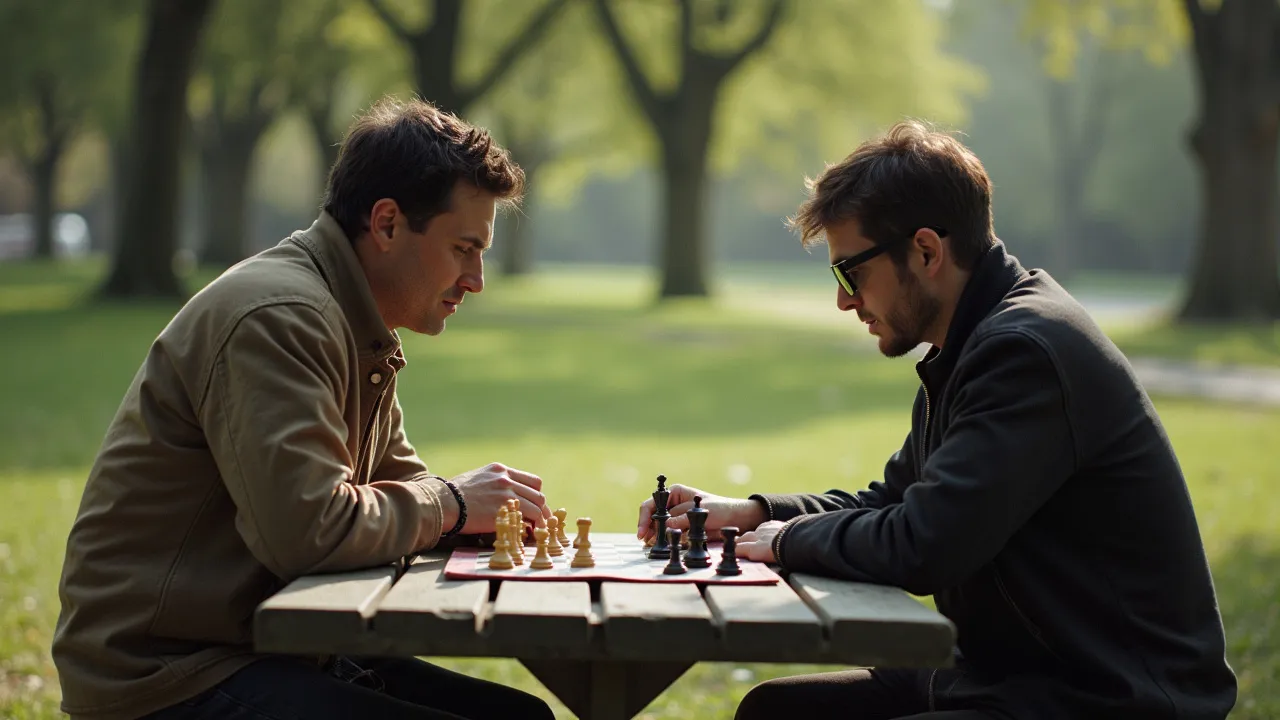
American Chess Day, observed on September 1st, celebrates the timeless game of strategy and intellect. It honors chess's rich history and encourages players of all ages to enjoy the game.
The Historical Origins & Evolutionary Journey
American Chess Day, observed annually on September 1st, pays homage to a game that has transcended centuries and cultures. While the exact origins of this specific observance remain informal, it was popularized through grassroots efforts by chess enthusiasts and organizations like the United States Chess Federation (US Chess). The date September 1st was chosen to mark the beginning of the scholastic chess season and to reignite interest after summer.
The Foundational Catalyst
Chess itself originated in India around the 6th century AD as Chaturanga, evolving through Persia and the Islamic world before reaching Europe. The modern rules were standardized in the 19th century, and the game became a staple of intellectual competition.
The Legislative/Official Adoption
In the United States, chess gained prominence through clubs, tournaments, and the establishment of US Chess in 1939. American Chess Day emerged in the 1990s as a way to promote the game nationally, though it is not a federal holiday. Presidential proclamations and local declarations have recognized its value.
Modern Global Legacy
Today, American Chess Day is celebrated across the country with tournaments, exhibitions, and online events. The day underscores chess's role in education, cognitive development, and community building, reflecting its enduring appeal.
How to Celebrate American Chess Day
American Chess Day offers a perfect opportunity to engage with the game at all levels. Whether you are a novice or a grandmaster, there are countless ways to participate.
Individual Celebrations
- Play a game with friends or family, either in person or via online platforms like Chess.com or Lichess.
- Solve chess puzzles or study classic matches to improve your skills.
- Read a chess book or watch a documentary about famous players.
School and Community Events
- Organize a school chess tournament with prizes and ratings.
- Host a chess workshop or simultaneous exhibition with a local expert.
- Set up outdoor chess boards in parks or libraries for public play.
Corporate and Organizational Celebrations
Companies can hold friendly chess competitions during lunch breaks. Chess clubs often arrange special lectures or themed events. Online platforms frequently run puzzles and challenges. The key is to encourage participation and appreciation for the game's strategic depth.
The Impact of Chess on Education
Chess has been widely recognized for its educational benefits. Studies show that students who play chess regularly improve in mathematics, reading, and critical thinking.
Cognitive Development
Chess enhances memory, concentration, and problem-solving skills. It teaches planning, foresight, and the ability to evaluate consequences. These skills transfer to academic subjects and daily life.
STEM Integration
Many schools incorporate chess into STEM curriculums to foster logical reasoning. Programs like Chess in Schools have demonstrated measurable gains in test scores.
Social and Emotional Benefits
Chess promotes patience, respect, and sportsmanship. It builds resilience by teaching players to learn from losses. Club settings encourage social interaction across diverse groups.
Cognitive Benefits of Playing Chess
Beyond education, chess offers profound cognitive advantages for all ages. Research indicates that regular chess playing can delay cognitive decline in older adults and boost IQ in children.
Brain Plasticity
Chess activates both hemispheres of the brain, enhancing creativity and analytical thinking. It improves pattern recognition and memory recall. A study by the University of Memphis found that chess instruction increased student performance in math and reading.
Therapy and Rehabilitation
Chess is used in therapy to improve focus in ADHD patients and as a rehabilitation tool for stroke survivors. Its structured yet flexible nature makes it an ideal mental exercise.
Global Chess Culture and Traditions
While American Chess Day is a US-centric observance, chess is a universal language. Different regions celebrate the game in unique ways.
Europe: The Birthplace of Modern Chess
Countries like Russia and Iceland hold major tournaments. Iceland even hosted the historic 1972 Fischer-Spassky match. In Norway, Magnus Carlsen's home country, chess is a point of national pride.
Asia: Rapid Growth
In India, chess is experiencing a resurgence thanks to grandmasters like Viswanathan Anand. China has become a dominant force in women's chess. Japan has its own variant, shogi, but international chess is growing.
Africa and Latin America
Chess is gaining traction in Kenya and Argentina, with grassroots programs reaching underserved communities. Online platforms have democratized access, allowing players worldwide to compete.
The Future of Chess: Technology and Trends
The digital age is transforming chess. AlphaZero and Stockfish have revolutionized computer chess, and online platforms host millions of games daily. American Chess Day in the 21st century embraces these changes.
Online Communities
Platforms like Chess.com and Lichess allow instant play, coaching, and tournaments. The COVID-19 pandemic accelerated online chess, with participation soaring 300%.
Artificial Intelligence
AI engines provide deep analysis and training. They help players understand nuances but also raise questions about cheating. Fair play initiatives are evolving.
Esports and Streaming
Chess streamers on Twitch and YouTube attract millions. PogChamps events featuring non-chess celebrities have brought new audiences. The future of chess is inclusive, tech-savvy, and vibrant.
Historical Timeline
Chess originates in India as Chaturanga, a precursor to the modern game.
Modern rules of chess begin to emerge in Spain, including the queen and bishop moves.
First international chess tournament held in London, marking competitive chess.
First official World Chess Championship match: Wilhelm Steinitz defeats Johannes Zukertort.
United States Chess Federation (US Chess) is founded to promote chess in America.
Bobby Fischer defeats Boris Spassky in the "Match of the Century" in Reykjavik, sparking a chess boom in the US.
American Chess Day is informally established on September 1st, championed by chess enthusiasts.
IBM's Deep Blue defeats world champion Garry Kasparov, marking a milestone in AI.
AlphaZero demonstrates superhuman learning and creativity in chess.
Online chess participation surges during the pandemic; American Chess Day gains wider recognition.
Magnus Carlsen retains world number one ranking; chess streaming and esports continue to grow.