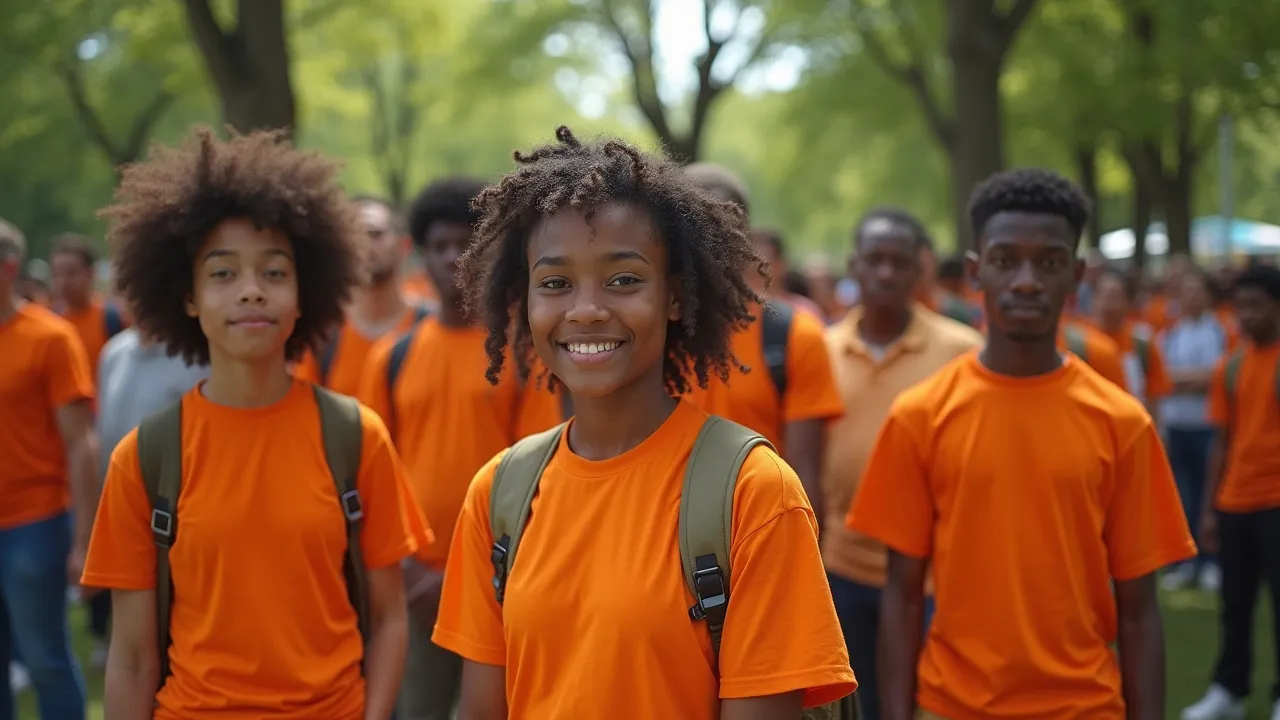
National Gun Violence Awareness Day, observed on the first Friday of June, honors victims of gun violence and promotes efforts to reduce it. The day, also known as Wear Orange, began after the shooting death of Hadiya Pendleton in 2013.
The Historical Origins & Evolutionary Journey
National Gun Violence Awareness Day emerged as a powerful movement to honor victims and survivors of gun violence while advocating for change. Its roots trace back to a tragic event that galvanized a nation.
The Foundational Catalyst
The day was inspired by the death of Hadiya Pendleton, a 15-year-old Chicago student who was shot and killed just days after performing at President Barack Obama's second inaugural parade in 2013. Friends of Hadiya began wearing orange to honor her memory, choosing the color because hunters wear orange to protect themselves, symbolizing the value of life. This grassroots effort evolved into a national campaign.
The Legislative/Official Adoption
In 2015, the first official National Gun Violence Awareness Day was recognized on June 5. The campaign, organized by Everytown for Gun Safety and other advocacy groups, encouraged people to wear orange to raise awareness. Since then, the date has been fixed as the first Friday of June each year, with mayors, governors, and even the White House issuing proclamations. The movement has gained bipartisan support and sparked legislative actions at various levels.
Modern Global Legacy
Today, the observance has expanded beyond the United States, with events in Canada, Australia, and the United Kingdom. Schools hold walk-outs, businesses host discussions, and social media amplifies survivor stories. The day serves as a call to action for policy reform, community intervention, and mental health support. It continues to grow each year, symbolizing resilience and the collective demand for safety.
How to Celebrate National Gun Violence Awareness Day
Participation in National Gun Violence Awareness Day can take many forms, from personal actions to community organizing. Here is a guide to the most impactful ways to observe the day.
Individual Actions
- Wear Orange: Don orange clothing or accessories to start conversations about gun violence. Share photos on social media with the hashtag #WearOrange.
- Educate Yourself: Read books, watch documentaries, and attend webinars on gun violence prevention. Knowledge empowers advocacy.
- Donate: Contribute to organizations that support victims' families and push for safer gun laws.
Community and School Events
- Organize a Walk: Plan a community walk or vigil to remember those lost. Invite local leaders to speak.
- Host a Panel: Bring together survivors, law enforcement, and policymakers for a discussion on solutions.
- Art Projects: Create murals or exhibits that highlight the impact of gun violence and the message of hope.
Corporate and Organizational Involvement
- Orange Dress Code: Encourage employees to wear orange and provide resources for mental health support.
- Volunteer Day: Partner with local nonprofits for a day of service, such as cleaning up memorials or supporting trauma centers.
Global Variations: In countries like Australia, where strict gun laws exist, the focus is on supporting survivors and preventing suicides. In the UK, events often emphasize the need for stricter knife crime legislation. Regardless of location, the core message remains: we can end gun violence together.
Global Impact of Gun Violence
Gun violence is a pervasive issue that affects communities worldwide, with varying degrees of severity and policy responses. National Gun Violence Awareness Day sheds light on this crisis by highlighting its global dimensions.
Statistics and Trends
According to the Global Burden of Disease Study, firearm-related deaths exceed 250,000 annually worldwide. The United States accounts for a disproportionate share, with over 40,000 deaths per year, but nations like Brazil, India, and Mexico also face high rates. The day calls for data-driven solutions and international cooperation.
Regional Disparities
In Latin America, gang violence and weak institutions drive high homicide rates. In Europe, stricter regulations have led to lower gun death rates, with suicides still a concern. Sub-Saharan Africa sees weapons from conflicts exacerbating violence. Awareness day events often collaborate with global health organizations to address these disparities.
Economic and Social Costs
Beyond lives lost, gun violence incurs billions in medical costs, lost productivity, and trauma. Communities of color are disproportionately affected, underscoring the need for intersectional advocacy. The observance emphasizes that gun violence is a public health emergency demanding comprehensive action.
The Symbolism of Orange
The color orange carries deep meaning in the campaign against gun violence, chosen deliberately to spark dialogue and solidarity.
Origin of the Color
Following Hadiya Pendleton's death, friends wore orange because hunters use it to protect themselves—a symbol that human life is precious and deserving of protection. The color also stands out, demanding attention in a sea of neutrality.
Cultural Significance
In many cultures, orange represents warmth, safety, and change. The campaign harnesses this positivity to counter the fear associated with gun violence. Wearing orange becomes a visual pledge to advocate for safer communities.
How to Show Support
- Clothing: Orange shirts, hats, or even nail polish can be part of the statement.
- Social Media Filters: Many platforms offer orange overlays or frames to use on profile pictures.
- Lighting Buildings: Landmarks from the Empire State Building to the Sydney Opera House have been lit orange to show support.
Legislative and Policy Changes
National Gun Violence Awareness Day also serves as a platform to advocate for evidence-based policies that reduce gun-related injuries and deaths.
Background Checks
Universal background checks are a key demand, with studies showing they reduce homicides. Many state-level laws have been strengthened since the day's inception.
Red Flag Laws
Extreme Risk Protection Orders allow families or police to temporarily remove firearms from individuals at risk of harming themselves or others. Over 20 states now have such laws, thanks partly to awareness raised by this observance.
Safe Storage and Education
Promoting secure gun storage reduces accidents and suicides. Campaigns on this day often share safe storage practices and encourage responsible ownership.
International Examples: Australia's 1996 firearm reforms following the Port Arthur massacre are often cited as a model. The observance encourages cross-border learning to adopt effective measures.
Community Engagement and Advocacy
At its heart, National Gun Violence Awareness Day is about community action. From local neighborhoods to national organizations, people unite to demand change.
Grassroots Movements
Groups like Moms Demand Action and Students Demand Action lead local chapters that host events year-round. On this day, they amplify their efforts with rallies, voter registration drives, and storytelling nights.
Survivor Voices
Centering survivors is crucial. The day provides a platform for them to share experiences, humanize statistics, and push for healing-centered policies. Many events include survivors as speakers or workshop facilitators.
Youth Involvement
Young people, especially after the Parkland shooting in 2018, have become vocal advocates. School walk-outs and youth-led forums are common on this day, emphasizing that the next generation refuses to accept gun violence as normal.
Community engagement via social media also plays a huge role: see our FAQ section for more ideas.
Historical Timeline
Hadiya Pendleton is shot and killed in Chicago. Friends wear orange in her memory, sparking the Wear Orange movement.
The Wear Orange campaign gains national attention, with celebrities and politicians joining the cause.
The first official National Gun Violence Awareness Day is held on June 5, organized by Everytown for Gun Safety.
The observance expands to a weekend, with events in 50 states and Washington D.C., including a National Vigil for All Victims of Gun Violence.
The Empire State Building lights up orange for the first time, setting a precedent for landmarks worldwide.
Wear Orange Day is marked by major marches and school walkouts following the Parkland shooting. White House issues a proclamation.
More than 1,000 events are held globally. The campaign partners with over 200 organizations, including the NBA and WNBA.
Virtual events dominate due to COVID-19, but engagement surges with digital toolkits and live streams reaching millions.
President Biden calls for action on gun violence and releases a comprehensive strategy. Wear Orange sees record corporate participation.
The tenth anniversary of Hadiya's death leads to the largest Wear Orange turnout, with over 2,500 events in 50 states and 10 countries.
National Gun Violence Awareness Day continues to grow, with a focus on passing universal background checks and red flag laws at the federal level.