National Gingerbread Day on June 5th celebrates the beloved spiced dessert. From ancient gingerbread to modern cookies, explore its history, global variations, and how to honor this sweet tradition.
The Historical Origins & Evolutionary Journey
National Gingerbread Day on June 5th honors one of the world's oldest and most beloved baked goods. Gingerbread—a broad category of sweets flavored with ginger and often molasses or honey—has a rich history dating back thousands of years. This section explores its origins, evolution, and cultural significance.
The Foundational Catalyst
Gingerbread's roots trace to ancient Greece and Egypt, where ginger was used for medicinal and culinary purposes. However, the modern gingerbread we know emerged in medieval Europe. German bakers were among the first to create spiced honey cakes, called Lebkuchen, as early as the 13th century. These early versions used honey, ginger, and other spices brought from Asia along trade routes. By the 16th century, gingerbread had become a popular treat at fairs and festivals across Europe.
The Legislative/Official Adoption
Unlike many food holidays, National Gingerbread Day does not have a single official founder. It likely emerged from the general trend of celebrating foods through social media and food blogs in the early 2000s. The date June 5th may have been chosen arbitrarily, perhaps to coincide with the start of summer baking or to fill a gap in the food holiday calendar. Today, it is recognized by many food enthusiasts, bakeries, and online communities.
Modern Global Legacy
Gingerbread has evolved far beyond its humble beginnings. While the classic gingerbread man cookie remains iconic, variations include gingerbread houses, cakes, muffins, and even savory dishes. The holiday has also inspired creative baking competitions, charity events, and educational activities about spice history. In Germany, Lebkuchen is still a Christmas staple; in Sweden, pepparkakor are thin, crisp ginger cookies year-round. National Gingerbread Day celebrates all these traditions while encouraging new interpretations.
How to Celebrate National Gingerbread Day
Whether you're a seasoned baker or a curious beginner, there are countless ways to celebrate National Gingerbread Day on June 5th. Below are actionable ideas for individuals, families, schools, and organizations, organized by approach.
Baking and Cooking
- Classic Gingerbread Cookies: Use a traditional recipe with molasses, ginger, cinnamon, cloves, and nutmeg. Decorate with royal icing or candied ginger.
- Gingerbread House: Host a house-building competition using graham crackers or real gingerbread. Decorate with gumdrops, pretzels, and icing.
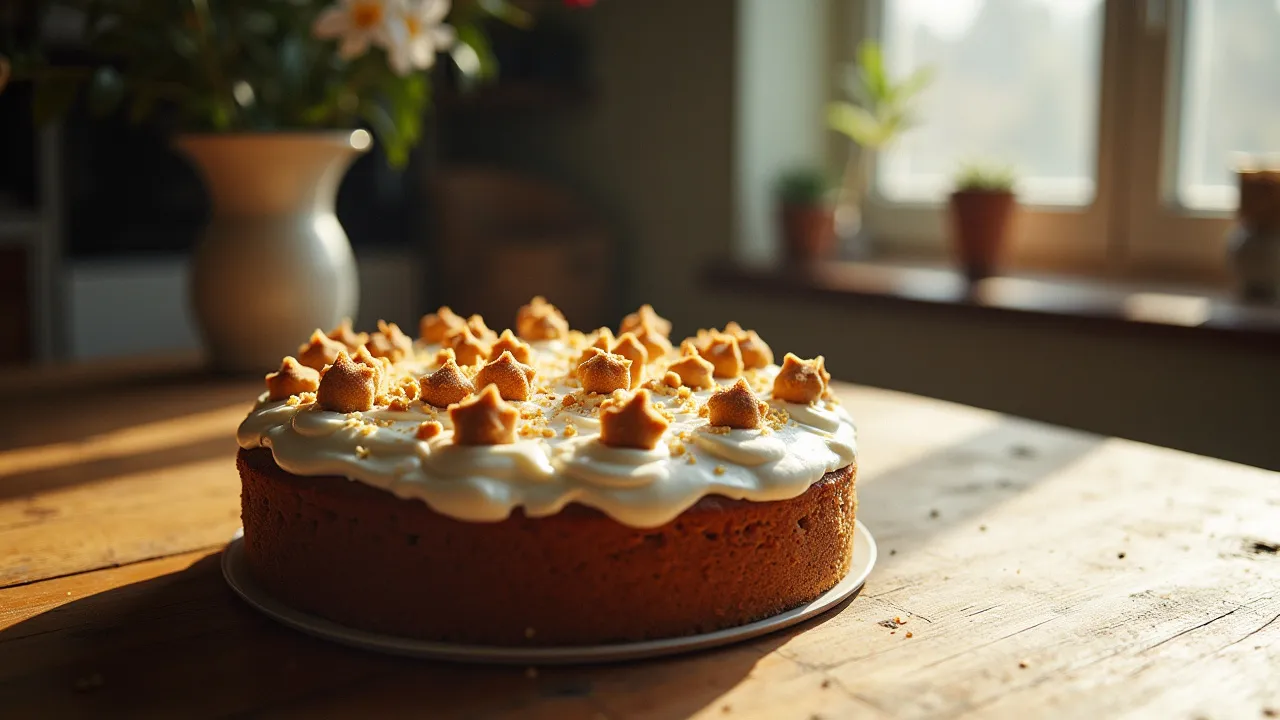
- Gingerbread Cake: Bake a moist loaf or Bundt cake with cream cheese frosting and crystallized ginger on top.
- Savory Gingerbread: Try gingerbread pancakes, waffles, or even gingerbread-spiced roasted vegetables.
Community and Social Events
- Neighborhood Bake-Off: Organize a friendly competition; award prizes for best decorated cookie, most creative house, or unique flavor.
- Charity Bakesale: Sell gingerbread treats and donate proceeds to a local food bank or children's hospital.
- Online Sharing: Post your creations on social media with the hashtag #NationalGingerbreadDay to connect with fellow enthusiasts.
Educational Activities
- Spice History Lesson: Learn about the spice trade and how ginger reached Europe. Create a timeline or map.
- Science of Baking: Explore how molasses interacts with baking soda to create the perfect texture; experiment with different spice ratios.
Global Variations
Celebrate diversity by exploring gingerbread from around the world:
- Germany: Enjoy Lebkuchen—soft, nut-studded gingerbread often coated in chocolate.
- Sweden: Bake thin, crispy pepparkakor and serve with glögg or coffee.
- United Kingdom: Make Parkin—a sticky oat gingerbread cake from Yorkshire, traditionally eaten on Bonfire Night.
- Jamaica: Sample ginger cake with a darker, richer molasses flavor and allspice.
Gingerbread Industry and Economy
The impact of gingerbread extends beyond home kitchens. The gingerbread industry encompasses packaged cookies, baking mixes, specialty gingerbread houses, and seasonal items. In the United States, the market for holiday baked goods—dominated by gingerbread—exceeds $4 billion annually. Major brands like Pepperidge Farm, Trader Joe's, and local bakeries ramp up production for the winter holidays, but June 5th encourages year-round appreciation.
Commercial Gingerbread Products
- Mixes and Kits: Popular brands offer pre-measured dry ingredients and icing, making gingerbread houses accessible.
- Artisan Bakeries: Small businesses often create intricate, customized gingerbread works for events.
- International Trade: Ginger spice imports from India and Jamaica, and molasses from the Caribbean, support global supply chains.
National Gingerbread Day boosts sales for bakeries and spice companies, while also promoting the craft of baking at home.
Cultural Significance and Symbolism
Gingerbread holds a special place in folklore and holiday traditions. The Gingerbread Man, a character from the classic fairy tale, represents the fleeting nature of life—"Run, run, as fast as you can!" The story has been adapted into countless children's books, movies, and even video games. In many cultures, gingerbread houses symbolize the warmth and togetherness of the winter season, inspired by the witch's house in Hansel and Gretel.
Symbolic Meanings
- Warmth and Comfort: The spices—ginger, cinnamon, clove—are associated with coziness and nostalgia.
- Generosity: Exchanging gingerbread gifts during holidays expresses goodwill.
- Craftsmanship: Elaborate gingerbread structures demonstrate skill and patience.
National Gingerbread Day revives these symbolic layers, inviting us to reflect on the deeper meaning behind the treat.
Health and Nutrition Aspects
While gingerbread is often seen as an indulgence, it offers some surprising health benefits when made with quality ingredients. Ginger, the star spice, is known for anti-inflammatory and digestive properties. Molasses provides iron, calcium, and magnesium, though it is high in sugar. Modern recipes can be adapted to be healthier without sacrificing taste.
Healthier Baking Tips
- Use whole wheat flour or almond flour for added fiber.
- Reduce sugar by 1/4 cup and use applesauce as a substitute.
- Choose blackstrap molasses for higher mineral content.
- Add ground flaxseed for omega-3s.
Enjoy gingerbread in moderation, and consider it a treat that can be part of a balanced diet.
Global Variations and Regional Traditions
Gingerbread takes on many forms across the world, and National Gingerbread Day on June 5th is an opportunity to appreciate this diversity. Below are notable regional variations beyond the classic American cookie.
Europe
- Germany: Lebkuchen (especially from Nuremberg) is a soft, spiced cookie often decorated with icing or chocolate. It is protected by EU geographical indication.
- Sweden: Pepparkakor are thin, crisp, and often heart-shaped. They are enjoyed year-round with coffee.
- Poland: Pierniki are honey-spice cakes sometimes filled with plum jam.
- United Kingdom: Parkin (oat gingerbread) and gingerbread men are popular, especially at Christmas.
North America
- United States: Gingerbread houses and cookies are Christmas staples; National Gingerbread Day encourages year-round baking.
- Canada: Similar traditions, with some regional recipes using maple syrup as a sweetener.
Asia and Africa
- Jamaica: Jamaican ginger cake is densely flavored with ground ginger and molasses.
- Armenia: Nshalik or gingerbread-like sweets incorporate local spices.
Each region's gingerbread reflects its spice trade history and cultural preferences.
Historical Timeline
Ginger is first documented in ancient India and China, used for medicine and cooking.
German bakers create Lebkuchen, an early form of gingerbread, using honey and spices.
Gingerbread becomes popular at European fairs; gingerbread men are first recorded by the court of Queen Elizabeth I.
First American cookbook, 'American Cookery' by Amelia Simmons, includes a recipe for gingerbread.
The Grimm Brothers publish 'Hansel and Gretel', popularizing gingerbread houses in folklore.
Molasses companies promote gingerbread as a family baking activity during the Great Depression.
Online food communities begin informal celebrations of food holidays; National Gingerbread Day starts gaining traction.
National Gingerbread Day is listed on various food holiday calendars, formally assigned to June 5th.
National Gingerbread Day continues to grow in popularity, with bakeries nationwide offering specials and social media challenges.