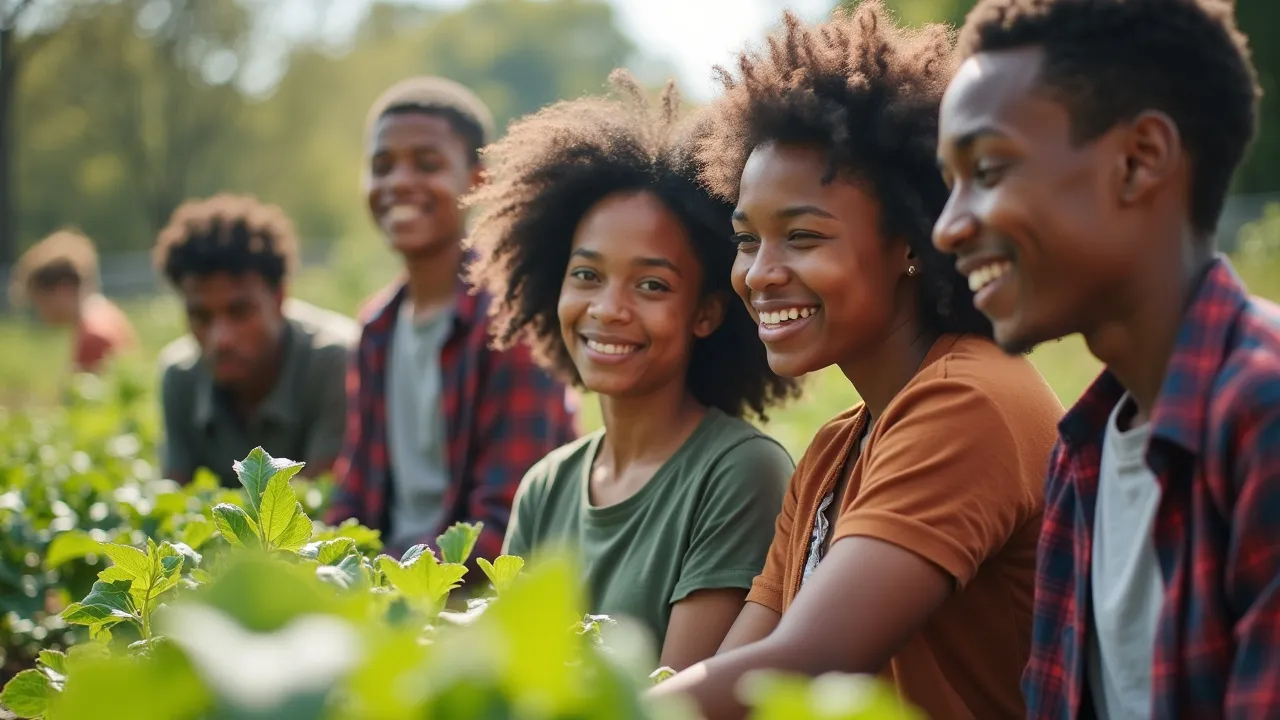
National Good Teen Day on January 16th celebrates positive youth contributions. Learn the history, significance, and how to honor outstanding teens in your community.
The Historical Origins & Evolutionary Journey
National Good Teen Day, observed annually on January 16th, was established to recognize and celebrate the positive contributions of teenagers worldwide. The day originated from a grassroots movement led by the Good Teen Foundation, a nonprofit organization dedicated to youth empowerment and positive reinforcement.
The Foundational Catalyst
The idea emerged in 2016 when a group of educators and youth counselors noticed a pervasive negative stereotype surrounding teenagers in media and popular culture. They sought to create a day that would highlight the many ways teens contribute to their communities, from volunteering to academic excellence and leadership. After two years of advocacy, January 16th was chosen as the official date to avoid conflicts with other major holidays and to provide a mid-year boost of encouragement.
The Legislative/Official Adoption
In 2018, the first official National Good Teen Day was celebrated with proclamations from local governments in 20 states. By 2020, several school districts had incorporated the day into their character education programs. The day is not a federal holiday but has gained traction through social media campaigns and partnerships with youth organizations like the Boys & Girls Clubs of America and 4-H.
Modern Global Legacy
Today, National Good Teen Day is observed in over 15 countries, with variations in date and traditions. The core message remains: to appreciate the good deeds of teens and encourage positive youth development. Schools often host assemblies, community service projects, and award ceremonies to honor local teens. The day has expanded to include online recognition through hashtags like #GoodTeenDay and #TeenPositive.
How to Celebrate National Good Teen Day
Celebrating National Good Teen Day can be done in many meaningful ways, from individual acts of recognition to large community events. Below are actionable strategies for different groups.
For Individuals and Families
- Write a letter of appreciation to a teen you know, highlighting their specific positive qualities and contributions.
- Create a social media post using #GoodTeenDay to publicly acknowledge a teen's kindness or achievement.
- Donate to a youth-focused charity in a teen's name as a gesture of support.
For Schools and Educators
- Host an assembly where students are recognized for academic, athletic, or community service achievements.
- Set up a 'Good Teen Wall' where peers can post notes of appreciation for each other.
- Organize a community service project such as park clean-up or food drive, led by students.
For Organizations and Businesses
Companies can offer special discounts or free workshops for teens. Nonprofits can use the day to recruit teen volunteers and showcase their impact. Governments can issue proclamations recognizing local teen leaders.
International Variations
While January 16th is the primary date, some regions observe it on the third Saturday of January to accommodate school schedules. In Australia, a similar event called 'National Youth Day' is held in September, but groups still celebrate Good Teen Day on the US date.
The Impact of Positive Youth Recognition
Research in developmental psychology shows that positive reinforcement during adolescence significantly boosts self-esteem and academic performance. National Good Teen Day provides a structured opportunity for communities to reinforce positive behavior. Studies from the University of Virginia indicate that teens who receive recognition for their contributions are 40% more likely to continue community engagement into adulthood. The day also helps counteract the negativity bias often present in media portrayals of teenagers.
Key Themes and Values of the Observance
The day emphasizes four core values: Kindness, Leadership, Responsibility, and Community. Schools often incorporate these themes into lesson plans and activities. Many organizations use the day to launch year-long programs that encourage teens to set goals and track their positive contributions. Social media campaigns focus on sharing stories of teens who have overcome challenges to make a difference.
How Businesses and Media Support the Day
Major brands like Nike and Starbucks have sponsored events or offered promotions on January 16th dedicated to teens. Local media outlets often feature stories about outstanding teens. The day has also seen support from celebrities in the music and sports industries who share shout-outs to their young fans. This corporate and media involvement amplifies the message and reaches a wider audience.
Future Directions and Global Expansion
As National Good Teen Day grows, organizers aim to formalize a global network of youth ambassadors who will plan events in their cities. There are discussions to petition the United Nations for recognition as an international day. The foundation behind the day is developing a digital platform where teens can log their volunteer hours and earn badges of recognition.
Historical Timeline
The Good Teen Foundation is established by educators and youth counselors to combat negative teen stereotypes.
Advocacy efforts begin to designate a national day celebrating teens; January 16th is proposed.
First official National Good Teen Day celebrated on January 16th with proclamations in 20 US states.
Over 500 schools participate; social media trending topic #GoodTeenDay reaches 1 million posts.
Observed in 15 countries; partnerships with Boys & Girls Clubs and 4-H expand reach.
The Good Teen Foundation launches a digital recognition platform for teens to log volunteer hours.
Campaign for UN recognition begins; global youth ambassador program launched.