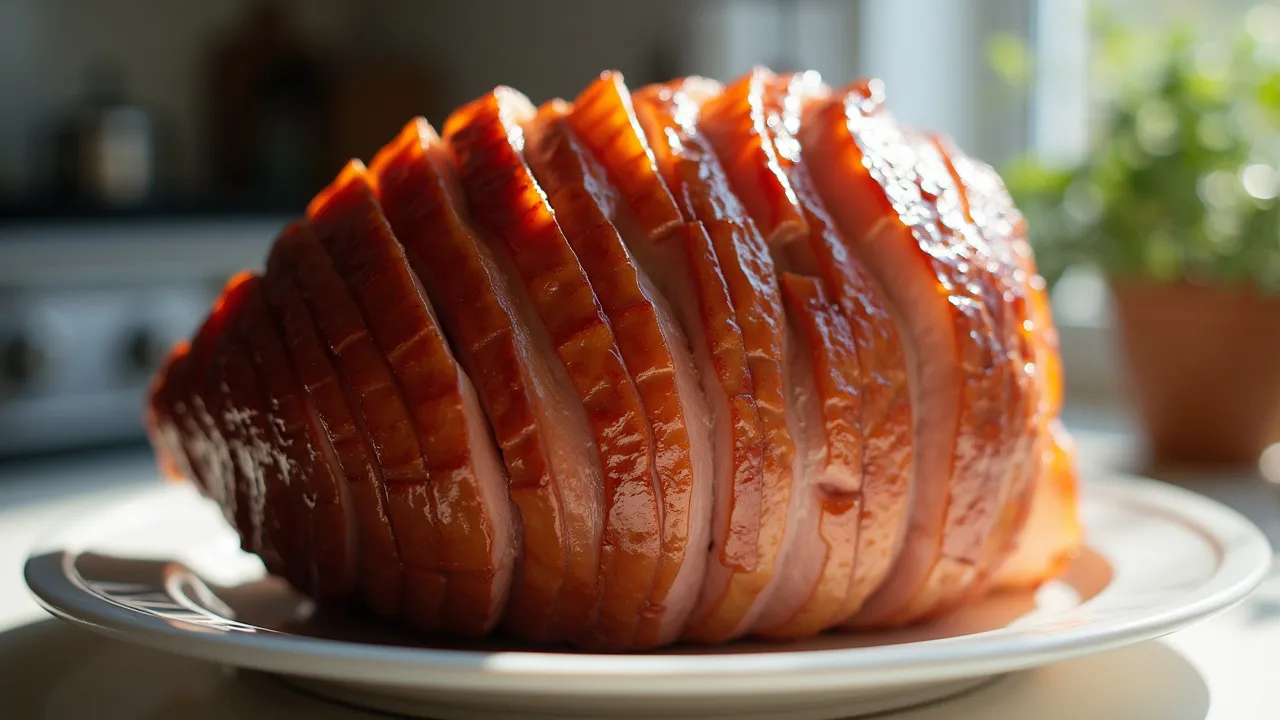
National Glazed Spiral Ham Day on April 15th honors the beloved spiral-cut ham with a sweet glaze. Discover its history, how to celebrate, and why this savory-sweet dish has become a festive centerpiece.
The Historical Origins & Evolutionary Journey
National Glazed Spiral Ham Day, observed annually on April 15th, celebrates a modern culinary icon: the pre-cut, spiral-sliced ham coated in a sweet or savory glaze. While ham itself has ancient roots in pork preservation, the spiral-cut format is a relatively recent innovation that transformed holiday dining.
The Foundational Catalyst: Birth of the Spiral Ham
The spiral-sliced ham was invented in the 1940s by Harry J. Hoenselaar, a Belgian immigrant and butcher in Detroit, Michigan. He developed a machine that could slice a whole ham into uniform spirals without separating from the bone, making serving effortless. Hoenselaar founded the Honey Baked Ham Company in 1957, which popularized the product nationally.
The Official Adoption of National Glazed Spiral Ham Day
National Glazed Spiral Ham Day was officially registered by the National Day Calendar in the early 2000s, likely around 2005, as part of a broader trend to celebrate specific foods. The date April 15th was chosen to fall after the Easter holiday rush, allowing ham lovers to enjoy the dish without the seasonal frenzy.
Modern Global Legacy
Today, spiral ham is a staple at Easter, Thanksgiving, Christmas, and other feasts. Its convenience and aesthetic appeal have made it a top choice for home cooks. The day now features social media campaigns, recipe contests, and special promotions by ham manufacturers. The tradition has expanded beyond the US to Canada, the UK, and Australia, where similar glazed ham dishes are enjoyed.
How to Celebrate National Glazed Spiral Ham Day
Celebrating National Glazed Spiral Ham Day is as delicious as it is easy. Here is the ultimate guide to making the most of this savory observance, whether you are a seasoned chef or a curious foodie.
Step-by-Step Celebration Guide
- Purchase or Prepare a Spiral Ham: Buy a pre-cooked spiral ham from a grocery store or specialty shop. Alternatively, prepare a whole ham and slice it yourself.
- Choose a Glaze: Classic options include brown sugar and honey, maple syrup and mustard, or citrus and spice. Apply the glaze during the last 30 minutes of reheating.
- Reheat Properly: Warm the ham in a low oven (275°F/135°C) covered with foil to prevent drying. Internal temperature should reach 140°F (60°C) for optimal flavor.
- Garnish and Serve: Arrange pineapple rings, maraschino cherries, or fresh herbs on the ham. Serve with sides like roasted vegetables, scalloped potatoes, or dinner rolls.
- Host a Ham Tasting Party: Invite friends to sample different glazes and ham brands. Provide tasting cards for notes.
Celebration Ideas for Every Setting
- At Home: Make a family dinner featuring spiral ham as the centerpiece. Pair with a festive salad and dessert.
- At School: Organize a ham sandwich fundraiser or a cooking class demonstration on glazing techniques.
- At Work: Host a potluck lunch where colleagues bring ham-based dishes like ham sliders, ham and cheese quiche, or ham soup.
- For Charity: Donate canned ham or ham gift certificates to local food banks. Volunteer at a community meal service.
Regional Adaptation Tips
In the United Kingdom, serve the ham with a mustard and brown sugar glaze and accompany it with Yorkshire pudding. In Australia, pair glazed ham with grilled pineapple and a cold salad. In the Caribbean, experiment with jerk seasoning glaze and serve with rice and peas.
Nutritional Aspects & Health Considerations
Spiral ham is a protein-rich food that also provides essential vitamins and minerals. However, it is typically high in sodium and fat, so moderation is key.
Nutritional Profile
- Protein: A 3-ounce serving of ham contains about 18 grams of protein, supporting muscle health.
- Sodium: The curing process adds significant sodium (over 1,000 mg per serving). Low-sodium varieties are available.
- Fat: Ham contains about 10 grams of fat per serving, with a mix of saturated and unsaturated fats.
- Vitamins and Minerals: Ham provides B vitamins (B1, B3, B6, B12), zinc, phosphorus, and selenium.
Healthier Celebration Tips
- Choose a low-sodium spiral ham to reduce salt intake.
- Trim visible fat before serving.
- Balance the meal with plenty of vegetables and whole grains.
- Use a glaze with natural sweeteners like fruit juice instead of refined sugar.
Culinary Traditions & Glaze Variations Worldwide
The glaze is the soul of a spiral ham. Different cultures have developed unique glazing traditions that reflect local flavors.
Classic American Glaze
In the United States, the most common glaze combines brown sugar, honey, Dijon mustard, and pineapple juice. Some add cloves or cinnamon for warmth.
European Inspirations
France: Glaze with a blend of honey and lavender, or a mustard-crème fraîche coating. Serve with crusty bread.
Germany: A dark beer and molasses glaze, often studded with cloves. Pair with sauerkraut and potato dumplings.
Scandinavia: Use lingonberry jam and aquavit for a tart, aromatic glaze.
Asian Fusion
Japan: A soy sauce and mirin glaze with ginger and sake, giving an umami-sweet finish.
Thailand: Glaze with sweet chili sauce, lime, and fish sauce, served with sticky rice.
Economic Impact of Spiral Ham Production
The spiral ham industry generates significant revenue and employment, particularly around major holidays.
Market Size and Trends
According to the USDA, ham production in the US exceeds 2 billion pounds annually. Spiral-cut hams account for nearly 40% of all ham sales during Easter and Christmas. The global ham market is projected to grow at a CAGR of 3.5% through 2028, driven by convenience demand.
Key Players
- Honey Baked Ham Company: The original spiral ham pioneer, with over 400 retail stores in the US.
- Smithfield Foods: One of the largest pork processors, offering spiral hams under several brands.
- Hillshire Farm (Tyson): Produces spiral hams sold in major grocery chains.
Seasonal Employment
Ham producers hire thousands of temporary workers each fall and spring to meet holiday demand. The sector also supports logistics, retail, and food service jobs.
Sustainability & Ethical Considerations
As with all meat products, spiral ham production carries environmental and ethical implications. Consumers are increasingly seeking sustainable options.
Environmental Footprint
Pork production has a lower carbon footprint than beef but higher than poultry. A 3-ounce ham serving generates about 1.5 kg CO2 equivalent. Water usage and manure management are environmental concerns.
Ethical Labels
Look for hams with certifications like Animal Welfare Approved, Certified Humane, or Global Animal Partnership. These ensure stricter animal welfare standards.
Waste Reduction Tips
Use leftover ham bone for soup or stock.
Freeze extra ham in portion-sized bags.
Compost any non-edible parts (if local program allows).
Historical Timeline
Harry J. Hoenselaar invents the spiral-slicing machine in Detroit, Michigan, allowing ham to be pre-cut while remaining intact.
The Honey Baked Ham Company is founded by Hoenselaar, commercializing spiral-sliced glazed hams nationally.
National Glazed Spiral Ham Day is first officially recognized by the National Day Calendar, set on April 15th.
Spiral ham sales surge with the rise of online grocery ordering and meal kit services.
Social media campaigns like #SpiralHamDay gain traction, with food bloggers sharing glaze recipes.
Pandemic cooking trends boost home ham consumption, leading to record sales for spiral ham brands.
The day is featured in major food magazines, and new glaze innovations (e.g., sriracha honey, bourbon maple) enter the market.