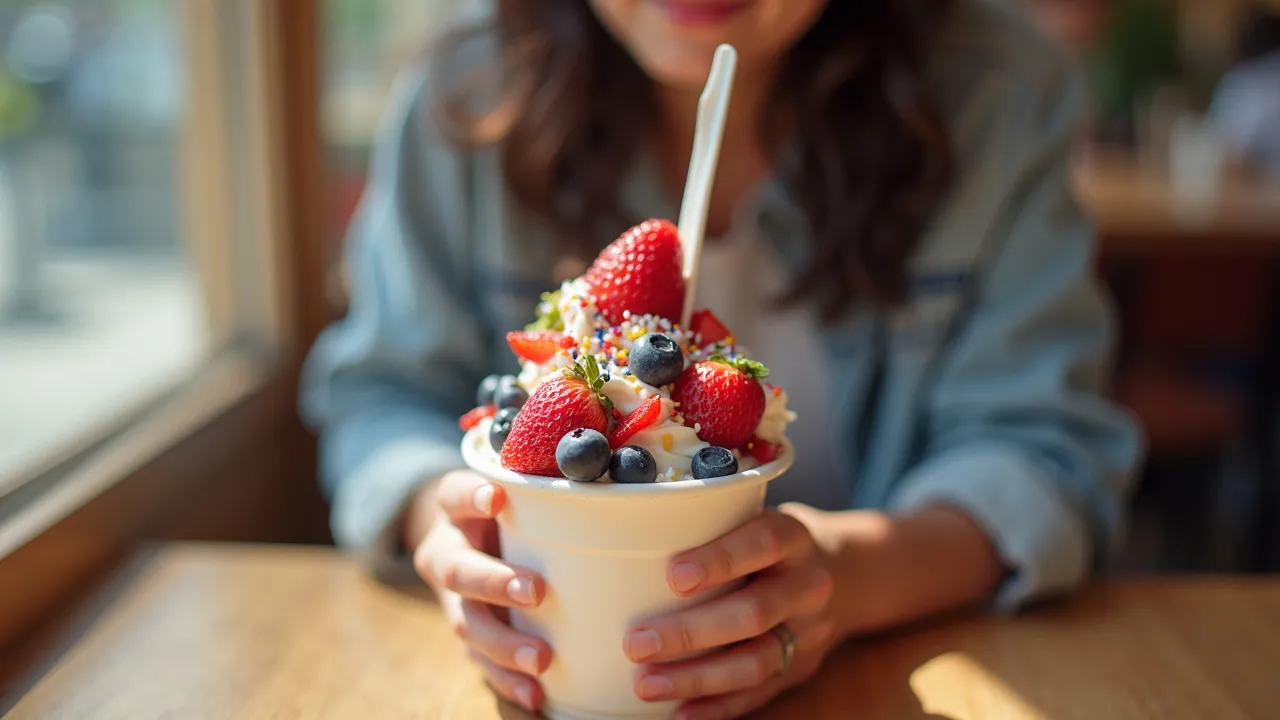
National Frozen Yogurt Day on February 6th celebrates the beloved frozen treat. Discover its history, how to celebrate, and why froyo remains a popular dessert worldwide.
The Historical Origins & Evolutionary Journey
National Frozen Yogurt Day, observed annually on February 6th, honors a dessert that has become a global phenomenon. The origins of frozen yogurt trace back to the 1970s, but the official observance was established in 1997 by the International Frozen Yogurt Association to promote the health benefits and unique taste of frozen yogurt. This day now serves as a celebration of innovation in the dairy industry and a tribute to a treat that balances indulgence with nutrition.
The Foundational Catalyst
The concept of frozen yogurt emerged in the early 1970s as a healthier alternative to ice cream. The first soft-serve frozen yogurt was introduced by a Massachusetts company called "H.P. Hood" in 1971. However, it wasn't until the 1980s that frozen yogurt gained mainstream popularity. Key milestones include:
- 1971: H.P. Hood releases the first soft-serve frozen yogurt in the United States.
- 1986: The first national frozen yogurt chain, TCBY (The Country's Best Yogurt), opens its doors, sparking a nationwide craze.
- 1990s: Fro-yo shops multiply, offering self-serve formats and a variety of toppings.
The Legislative/Official Adoption
National Frozen Yogurt Day was officially recognized in 1997 by the International Frozen Yogurt Association, a trade group representing manufacturers and retailers. The association chose February 6th to fall after the winter holidays, offering a light, refreshing alternative for those seeking healthier post-holiday treats. The day is not a federal holiday but is widely promoted by brands and yogurt shops through special discounts and limited-time flavors.
Modern Global Legacy
Today, frozen yogurt is a multi-billion-dollar industry with a presence in over 50 countries. Innovations like Greek-style frozen yogurt, dairy-free options, and probiotic-rich blends have expanded its appeal. Social media has also played a role, with visually appealing creations driving customer engagement. National Frozen Yogurt Day continues to evolve, incorporating new trends such as plant-based bases and functional ingredients.
How to Celebrate National Frozen Yogurt Day
National Frozen Yogurt Day offers a perfect excuse to indulge in your favorite froyo. Whether you prefer tangy original or adventurous flavors, there are countless ways to join the celebration. Below is a comprehensive guide to making the most of this day.
For Individuals
- Visit a local fro-yo shop: Many chains offer special deals on February 6th. Look for buy-one-get-one free offers or new flavor launches.
- Host a froyo party: Set up a self-serve bar with various flavors, toppings (fresh fruit, nuts, candies, syrups), and invite friends and family.
- Make homemade frozen yogurt: Use a simple recipe with Greek yogurt, sweetener, and your choice of fruit. No ice cream maker required.
- Share on social media: Post a photo of your creation using hashtags like #NationalFrozenYogurtDay and #FroyoDay to connect with other enthusiasts.
For Schools and Communities
- Froyo tasting event: Organize a fundraiser where participants sample different flavors and vote for their favorite.
- Educational workshop: Teach students about the science behind frozen yogurt, including fermentation and freezing techniques.
- Charity drive: Partner with a local fro-yo shop to donate a portion of sales to a community cause.
For Businesses
- Limited-time offers: Create a special flavor exclusive to February 6th, such as "Love Potion" with raspberry and chocolate.
- Loyalty rewards: Offer double points for purchases made on National Frozen Yogurt Day.
- Collaborate with influencers: Invite local food bloggers to review your shop's offerings and post on their channels.
Additionally, consider the health angle: frozen yogurt can be a lower-calorie, probiotic-rich alternative to ice cream. Celebrate mindfully by choosing non-fat or low-sugar options and loading up on healthy toppings like berries and nuts.
Health Benefits of Frozen Yogurt
Frozen yogurt has carved a niche as a 'healthier' dessert, but its actual benefits depend on the ingredients and portion size. Here, we break down the nutritional aspects and how to make smart choices.
Probiotic Power
Traditional frozen yogurt contains live active cultures like Lactobacillus bulgaricus and Streptococcus thermophilus, which support gut health. A typical serving can contain billions of CFUs (colony-forming units). However, note that many commercial brands pasteurize after culturing, reducing probiotic levels. Look for products marked 'contains live active cultures.'
Nutritional Profile
- Calories: A half-cup serving of non-fat frozen yogurt averages 100-150 calories, compared to 200-250 for ice cream.
- Fat: Non-fat varieties contain 0g fat, while full-fat versions still have less than ice cream.
- Sugar: Can be high, often 20-30g added sugar per serving. Opt for unsweetened or use fresh fruit as sweetener.
- Protein: Greek frozen yogurt offers up to 10g protein per serving, making it a satiating snack.
Balancing Indulgence and Health
To maximize health benefits, choose plain frozen yogurt and add your own toppings. Avoid pre-mixed flavors with candy or syrups. A typical healthy bowl might include: 1/2 cup plain froyo, topped with 1/4 cup blueberries, 1 tbsp chopped almonds, and a drizzle of honey. This provides probiotics, antioxidants, healthy fats, and fiber.
The Economic Impact of the Frozen Yogurt Industry
Frozen yogurt is a significant segment of the global frozen dessert market, valued at over $3 billion annually. The industry's growth has been driven by consumer demand for healthier options and customizable experiences.
Market Trends
- Self-serve model: The self-serve format, popularized by chains like Yogurtland and Menchie's, allows customers to control portions and toppings, leading to increased sales per visit.
- Global expansion: Asia, especially China and South Korea, has seen a surge in froyo shops, with local adaptations like matcha and red bean flavors.
- Innovation: Non-dairy frozen yogurts made from coconut, almond, or oat milk cater to vegan and lactose-intolerant consumers.
Employment and Franchising
The industry supports tens of thousands of jobs worldwide. Many frozen yogurt brands operate on a franchise model, offering low startup costs compared to fast food. National Frozen Yogurt Day itself serves as a marketing boost, with participating shops reporting sales increases of 20-30% on the day.
Challenges
Rising commodity prices for dairy and sugar, along with increasing competition from ice cream alternatives like gelato and plant-based desserts, pose challenges. Nevertheless, the frozen yogurt market is projected to grow at a CAGR of 5% through 2030.
Cultural Significance and Regional Variations
While National Frozen Yogurt Day is primarily a North American observance, frozen yogurt enjoys unique cultural variations around the globe. This section explores how different countries have adopted and adapted fro-yo.
United States
In the US, frozen yogurt is synonymous with self-serve shops and a vast array of toppings. National Frozen Yogurt Day was first celebrated here, and many brands like Pinkberry and Red Mango have become household names. The day is marked by promotional campaigns and social media contests.
Japan
Japan has a love affair with soft serve, including frozen yogurt. Japanese froyo is often lighter and less sweet, featuring flavors like green tea, sakura, and black sesame. It is commonly served in a cup or cone with mochi and red bean paste.
Middle East
In countries like Israel and Turkey, frozen yogurt (often called 'fro-yo' or 'dondurma') is a popular street food. It is frequently blended with fruit syrups and enjoyed as a refreshing treat in hot climates.
United Kingdom and Europe
In the UK, frozen yogurt gained traction in the 2000s with brands like Snog and Yogland. European varieties tend to emphasize organic and artisanal ingredients, with flavors like Sicilian lemon and Alpine strawberry.
Other Notable Regions
- Australia: The 'froyo' scene is strong, with a focus on tropical fruits like mango and passionfruit.
- India: A recent trend, Indian frozen yogurt often incorporates spices like cardamom and saffron, and is sometimes paired with falooda.
How to Make Homemade Frozen Yogurt
Creating frozen yogurt at home is simple and allows for complete control over ingredients. Below is a basic recipe and variations.
Basic Recipe
Ingredients: 4 cups plain Greek yogurt (full-fat for creaminess), 1/2 cup honey or maple syrup, 1 tsp vanilla extract.
Instructions: Whisk all ingredients together. Pour into an ice cream maker and churn according to manufacturer's directions (usually 20-30 minutes). Transfer to a container and freeze for at least 2 hours before serving.
Flavor Variations
Berry Swirl: After churning, fold in 1 cup of mixed berry compote (simmer berries with a little sugar).
Chocolate Fudge: Add 1/3 cup cocoa powder and increase honey to 3/4 cup.
Mango Lassi: Replace vanilla with 1 tsp cardamom and add 1 cup mango puree.
Vegan Option: Substitute coconut yogurt for Greek yogurt and use agave nectar.
Tips for Success
Chill the base thoroughly before churning to achieve a smooth texture.
If you don't have an ice cream maker, pour the mixture into a shallow dish, freeze, and stir every 30 minutes until creamy.
Add alcohol (like vodka) in small amounts to reduce ice crystallization for a softer texture.
The Future of Frozen Yogurt
As consumer preferences shift toward healthier, sustainable, and exciting food experiences, frozen yogurt must adapt. Here are key trends shaping the future of this treat.
Functional Ingredients
Probiotic strains beyond traditional ones, such as Lactobacillus reuteri and Bifidobacterium lactis, are being added for specific health benefits like immunity support. Prebiotic fibers (e.g., inulin) also enhance gut health.
Plant-Based Expansion
Dairy-free frozen yogurt is booming. Ingredients like coconut cream, oat milk, and cashew milk provide creamy textures without animal products. These options appeal to vegans and those with lactose intolerance.
Personalization through Technology
Smart frozen yogurt machines that allow customers to create custom blends via app are emerging. Some shops use AI to suggest flavor combinations based on past purchases.
Sustainability
Eco-friendly packaging, locally sourced ingredients, and carbon-neutral production methods are becoming differentiators for brands. National Frozen Yogurt Day could evolve to highlight sustainable practices.
In conclusion, frozen yogurt is not just a fleeting trend but a resilient product that continues to innovate. National Frozen Yogurt Day serves as both a celebration and a catalyst for future developments.
Historical Timeline
H.P. Hood introduces the first soft-serve frozen yogurt in the United States, marking the beginning of the frozen yogurt industry.
TCBY (The Country's Best Yogurt) is founded, becoming the first national frozen yogurt chain and sparking a craze across America.
Frozen yogurt shops proliferate, with the self-serve model gaining popularity. Manufacturers develop non-fat and low-sugar versions.
The International Frozen Yogurt Association establishes National Frozen Yogurt Day on February 6th to promote the treat's health benefits and industry growth.
Pinkberry launches in Los Angeles, popularizing tangy, tart frozen yogurt and a minimalist topping approach. This sparks a new wave of premium fro-yo chains.
Greek frozen yogurt becomes mainstream, offering higher protein and creamier texture. Brands like Chobani enter the frozen yogurt market.
Dairy-free frozen yogurt options (coconut, almond, oat) start appearing, catering to vegan and lactose-intolerant consumers.
The COVID-19 pandemic boosts home consumption of frozen yogurt. DIY kits and delivery options become popular. National Frozen Yogurt Day is celebrated virtually with social media campaigns.
The global frozen yogurt market is projected to reach $5 billion, driven by innovations in functional ingredients and sustainability initiatives.