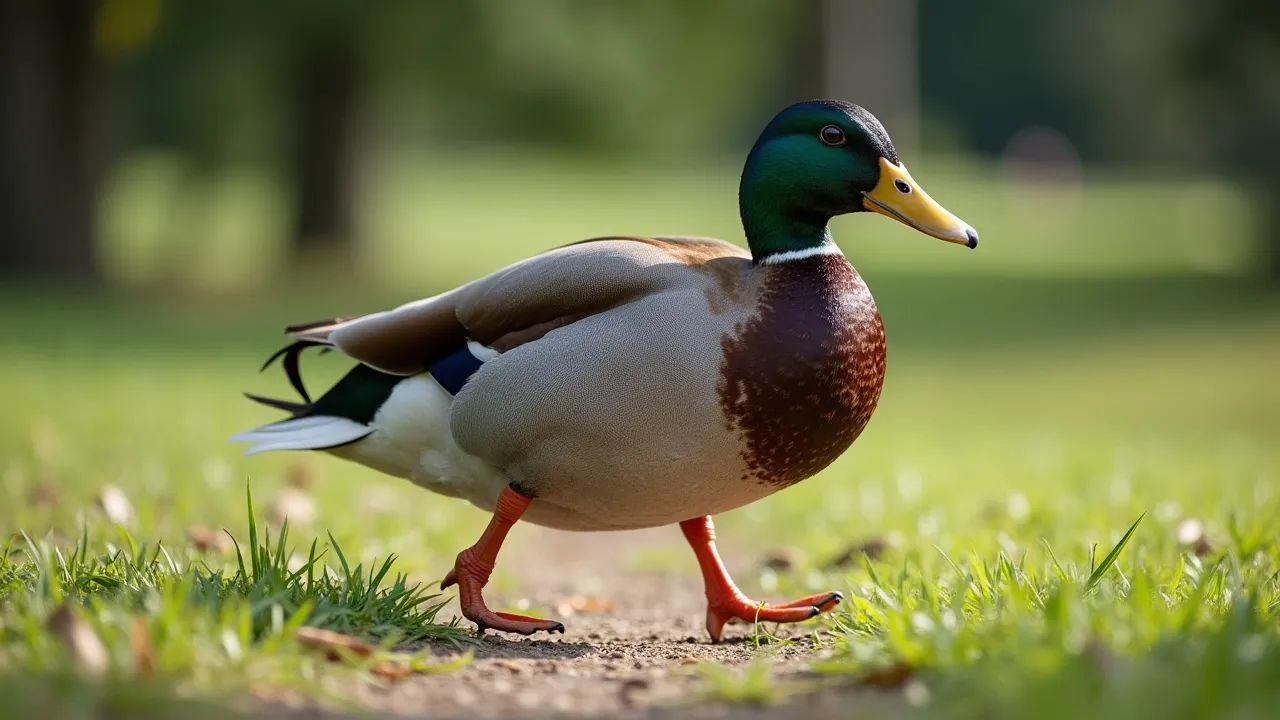
Lame Duck Day, observed on February 6th, humorously honors politicians who remain in office after losing re-election. It also commemorates the 20th Amendment, which shortened the lame duck period in the United States.
The Historical Origins & Evolutionary Journey
Lame Duck Day, observed annually on February 6th, originated from a blend of political humor and constitutional history. The term "lame duck" refers to an elected official who has lost re-election but continues to serve until their successor takes office. This observance was created to highlight the quirks of political transitions and the 20th Amendment to the U.S. Constitution, which was ratified on February 6, 1933.
The Foundational Catalyst
The phrase "lame duck" dates back to 18th-century British financial markets, where it described a stockbroker who couldn't pay debts. By the 19th century, it entered American politics to describe ineffective politicians. The catalyst for Lame Duck Day was the ratification of the 20th Amendment, which moved the presidential inauguration from March 4 to January 20, reducing the lame duck period from four months to two months. This amendment was a direct response to the prolonged transition after the 1932 election during the Great Depression.
The Legislative/Official Adoption
In 1987, retired California schoolteacher Mary L. Collins proposed Lame Duck Day as a playful way to educate the public about the 20th Amendment. She petitioned the California legislature, which officially recognized the day. Over time, it gained informal recognition across the United States. While not a federal holiday, it is acknowledged by political organizations, civics groups, and media outlets on February 6th each year.
Modern Global Legacy
Today, Lame Duck Day is celebrated not only in the U.S. but also in countries with similar political systems, such as the United Kingdom and Canada, where "lame duck" periods occur after elections. The day serves as a reminder of the importance of smooth political transitions and the humorous side of governance. In recent years, it has been embraced by social media users, who share memes about outgoing politicians and engage in lighthearted debates about lame duck policies.
How to Celebrate Lame Duck Day
Lame Duck Day is a fun, educational observance that can be celebrated by individuals, schools, and organizations. Here are actionable strategies to participate.
For Individuals
- Learn the History: Read about the 20th Amendment and the concept of lame duck sessions. Watch documentaries on presidential transitions.
- Share on Social Media: Post memes or facts about famous lame duck politicians using #LameDuckDay.
- Host a Trivia Night: Quiz friends on political transition trivia, such as the shortest and longest lame duck periods in history.
For Schools and Educators
- Lesson Plans: Teach students about the electoral process and the importance of constitutional amendments. Use February 6th as a case study.
- Mock Debates: Organize a classroom debate on whether lame duck officials should have limited powers.
- Art Projects: Have students draw cartoons depicting lame ducks in political scenarios.
For Organizations and Businesses
- Political Clubs: Host a lunch talk on the history of lame duck sessions. Invite a local historian or politician.
- Office Games: Create a "Lame Duck Award" for the most humorous procrastinator, tying it to the day's theme.
- Community Events: Partner with libraries to display exhibits on constitutional amendments.
Internationally, in the UK, the day is marked by discussions on "zombie governments" before a new prime minister takes office. In Canada, it parallels "caretaker conventions" during election periods. The key is to blend education with humor.
The Political Significance of the Lame Duck Period
The lame duck period is a critical time in governance when outgoing officials still hold power but lack a democratic mandate. This section explores its impact on policy and politics.
Why February 6th Matters
The 20th Amendment, ratified on February 6, 1933, was a landmark reform that shortened the transition from four months to just over two months. Before this, the U.S. faced lengthy lame duck periods that could paralyze government, especially during crises. The amendment set January 3 for Congress and January 20 for the President.
Controversies and Checks
Lame duck officials can still pass controversial laws or make appointments. Examples include President John Adams' midnight judges in 1801 and President Bill Clinton's pardons in 2001. These actions often spark debates about the legitimacy of lame duck powers. Some states have imposed restrictions, while federal lawmakers continue to debate reforms.
Global Perspectives
In parliamentary systems, lame duck periods are shorter. The UK typically sees a new prime minister within weeks. However, countries like Brazil have longer transitions. Understanding these differences helps appreciate the 20th Amendment's role in ensuring stability.
The 20th Amendment and Its Impact
The 20th Amendment, also known as the "Lame Duck Amendment," was a crucial reform that reshaped American political transitions. This section details its provisions and legacy.
Background
Before 1933, the presidential inauguration was on March 4, meaning a president elected in November waited four months to take office. This long gap allowed defeated presidents to exert influence without accountability. The 20th Amendment changed the start of terms to January 20 for the President and January 3 for Congress.
Key Provisions
- Section 1: Presidential term begins on January 20 at noon.
- Section 2: Congressional terms begin on January 3.
- Section 3: If the President-elect dies, the Vice President-elect becomes President.
- Section 4: Congress can provide for succession if no winner is chosen.
Historical Impact
The amendment prevented potential crises. For example, the 1932 election of Franklin D. Roosevelt saw a long lame duck period under Herbert Hoover, which worsened the Great Depression. The change has streamlined transitions and reduced political gridlock. It also inspired similar reforms in other countries.
Lame Duck Day Around the World
While Lame Duck Day is primarily an American observance, similar traditions exist globally. This section explores international recognition and practices.
United Kingdom
In the UK, the term "lame duck" is less common, but the concept appears during "caretaker governments" between elections. February 6th is sometimes used by political commentators to discuss transition periods. Some civic groups host "Lame Duck Lectures" on constitutional reform.
Canada
Canada follows Westminster conventions where a defeated prime minister remains until a new government is formed. Observances on February 6th focus on the 20th Amendment's influence on Canadian political thought.
Australia
Australia has a fixed term for the House of Representatives but no fixed date for elections. Lame Duck Day is noted by political science departments, with discussions on the efficiency of transitions.
Other Nations
Countries like India and South Africa have short transition periods due to parliamentary systems. Lame Duck Day serves as a reminder of the need for clear succession laws. The day promotes global democratic stability.
Cultural References and Humor
Lame Duck Day has inspired humor in politics, media, and everyday life. This section examines its cultural footprint.
Political Cartoons
Editorial cartoons often depict outgoing presidents as ducks with crutches. Famous examples include cartoons of Herbert Hoover as a lame duck during the Great Depression. These images reinforce the day's theme.
Memes and Social Media
On February 6th, Twitter and Reddit fill with memes comparing politicians to lame ducks. Hashtags like #LameDuckDay trend, sharing jokes about "zombie congresses" and "dead duck administrations."
Film and Literature
The term appears in movies like "The American President" and novels like "The Lame Duck President." It symbolizes political paralysis. Lame Duck Day encourages creative expression about the absurdity of politics.
Educational Humor
Teachers use the day to engage students with playful lessons. For example, a "Lame Duck Olympics" where students simulate slow decision-making. This lighthearted approach makes civics accessible.
Historical Timeline
The 20th Amendment to the U.S. Constitution is ratified on February 6, shortening the lame duck period from four months to two months.
The term 'lame duck session' becomes official terminology for congressional sessions held after an election but before new members are seated.
Mary L. Collins, a retired California schoolteacher, proposes Lame Duck Day on February 6 to honor the 20th Amendment. The California legislature officially recognizes the day.
Lame Duck Day gains national attention as President Bill Clinton issues controversial pardons during his final days in office, sparking debate about lame duck powers.
Social media amplifies Lame Duck Day with viral posts about outgoing President Barack Obama's final actions, popularizing the observance among younger generations.
Lame Duck Day coincides with the aftermath of the 2020 election, highlighting the role of the 20th Amendment amid disputes over electoral certifications.