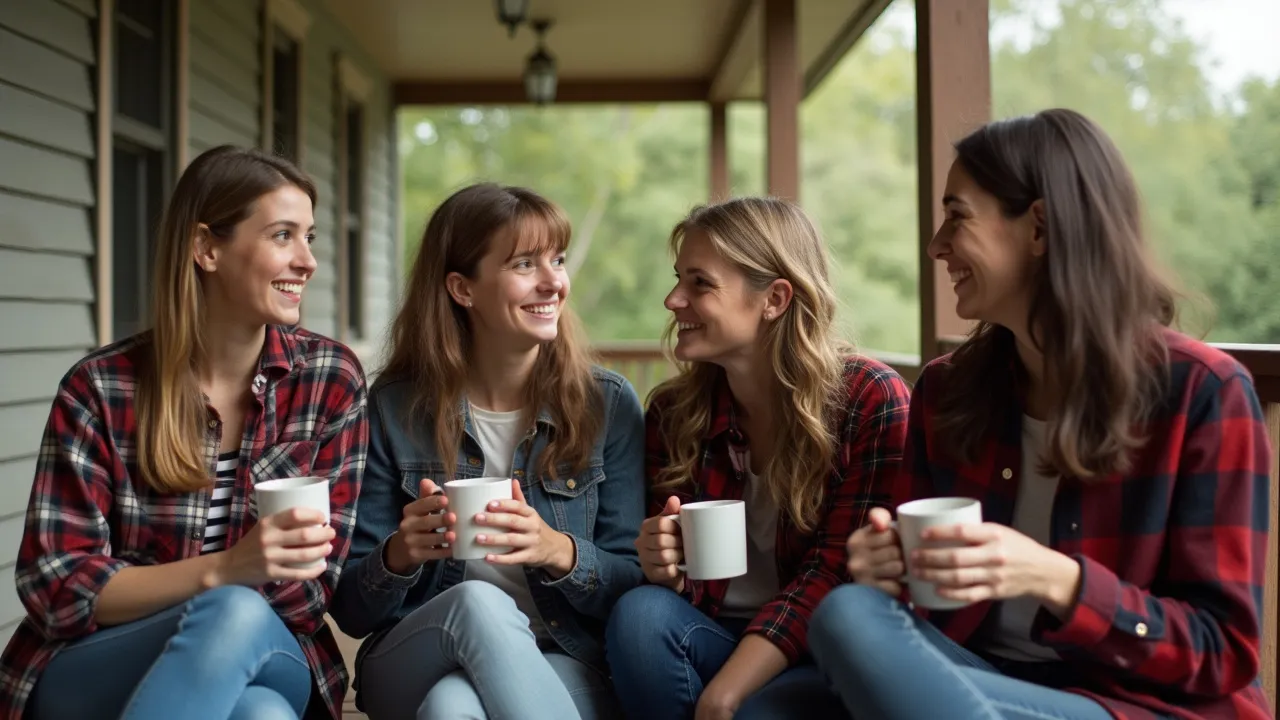
National Flannel Day on February 10th celebrates the iconic fabric's comfort and style. Learn its origins, how to wear flannel, and ways to enjoy this cozy, casual holiday.
The Historical Origins & Evolutionary Journey
National Flannel Day, observed annually on February 10th, pays homage to a fabric that has woven itself into the fabric of global culture. Though the modern holiday dates to 2018, flannel's history stretches back centuries.
The Foundational Catalyst
Flannel originated in 17th-century Wales as a simple, warm woolen cloth worn by farmers and laborers. Its soft nap and insulating properties made it ideal for cold, damp climates. By the 19th century, flannel spread across Europe and America, adopted by loggers, railroad workers, and miners. The iconic red-and-black checker pattern, often called 'buffalo plaid,' was popularized by the Woolrich company in the 1850s, becoming synonymous with rugged outdoor life.
The Legislative/Official Adoption
National Flannel Day was formally established in 2018 by the Flannel Apparel Association to honor the fabric's enduring legacy. The date of February 10th was chosen as a midpoint of winter, encouraging people to embrace warmth and comfort. Since then, the day has been promoted through social media campaigns, retail events, and community gatherings.
Modern Global Legacy
Today, flannel transcends its workwear roots. It appears in high fashion runways, street style, and home decor. The holiday encourages people to wear flannel, donate old flannel clothing to shelters, and learn about sustainable textile practices. In an era of fast fashion, flannel's durability and timeless appeal offer a counterpoint to disposable trends.
How to Celebrate National Flannel Day
National Flannel Day offers endless ways to participate, from personal style choices to community actions. Below is a global guide to celebrating this cozy holiday.
Individual Celebrations
- Wear Flannel: Don your favorite flannel shirt, jacket, or scarf. Mix patterns or stick to classic plaids.
- Flannel Fashion Show: Host a virtual or in-person style showcase with friends, voting on best outfits.
- DIY Projects: Upcycle old flannel into quilts, pillow covers, or reusable gift wrap.
School and Community Events
- Flannel Day at School: Encourage students and teachers to wear flannel. Organize a lesson on textile history or sustainable fashion.
- Charity Drives: Collect gently used flannel clothing and blankets for homeless shelters and animal rescues.
- Local Business Promotions: Shops can offer discounts on flannel items; cafes can host 'flannel and coffee' mornings.
Global Variations
While the U.S. celebrates on February 10th, other regions have adapted the day. In Canada, some communities combine it with 'Toque Day' in January. In the UK, flannel appreciation is often tied to outdoor festivals in autumn. Australia holds informal 'Flannel Fridays' during winter months. Regardless of date, the spirit remains: embrace comfort and warmth.
Global Impact & Cultural Significance
Flannel's influence extends far beyond clothing. It has become a symbol of rebellion, comfort, and authenticity. In the 1990s, grunge bands like Nirvana made flannel an anti-fashion statement, sparking a global trend. Today, flannel is embraced by diverse subcultures: from hipsters in Brooklyn to farmers in the Midwest.
Fashion Industry Transformation
Luxury brands have reinterpreted flannel in high-end collections, using fine merino wool or organic cotton. Fast fashion retailers produce affordable flannel, but the day also highlights the importance of ethical production. Many campaigns promote buying vintage or sustainably made flannel.
Environmental and Social Dimensions
Flannel's durability reduces textile waste. The holiday encourages repair and reuse, aligning with circular economy principles. Charitable donations of flannel help vulnerable populations stay warm. In colder regions, flannel remains a practical necessity, tying the holiday to issues of poverty and access to warm clothing.
The Fashion Industry's Take on Flannel
National Flannel Day also serves as a bellwether for fashion trends. Designers often release limited-edition flannel collections for the holiday. Runway shows in February frequently feature flannel as a transitional fabric between winter and spring.
Styling Tips
- Layering: Flannel shirts look great under denim jackets or over turtlenecks.
- Pattern Mixing: Combine plaid with stripes or polka dots for a bold look.
- Accessories: Add flannel scarves, hats, or even face masks.
Retail Strategies
Brands like Pendleton, Woolrich, and Patagonia leverage the day to promote heritage and sustainability. Pop-up shops and online flash sales drive consumer engagement. Social media influencers share #NationalFlannelDay outfit ideas, generating millions of impressions.
Environmental & Sustainability Aspects
The holiday also shines a light on flannel's environmental footprint. Traditional wool flannel is biodegradable and renewable, but modern flannel often includes synthetic blends. National Flannel Day advocates for conscious consumption.
Eco-Friendly Practices
- Choose Natural Fibers: Look for 100% cotton or wool flannel.
- Buy Vintage: Thrift stores offer unique flannel garments without new resource use.
- Care Properly: Wash flannel in cold water and air dry to extend its life.
Community Initiatives
Many organizations host clothing swaps and repair workshops on February 10th. Schools teach children about textile recycling. The day reminds us that fashion can be both stylish and sustainable.
Historical Timeline
Flannel fabric originates in Wales, made from carded wool, prized for its warmth and softness.
Woolrich introduces the buffalo plaid pattern, making flannel a staple of American outdoor wear.
Grunge music culture adopts flannel as a uniform, propelling it into mainstream fashion globally.
The Flannel Apparel Association establishes National Flannel Day on February 10th, celebrated for the first time.
During the pandemic, National Flannel Day sees a surge in homebound comfort dressing, with sales of flannel pajamas and shirts rising 30%.
Major fashion houses including Burberry and Gucci feature flannel in their winter collections, cementing its high-fashion status.