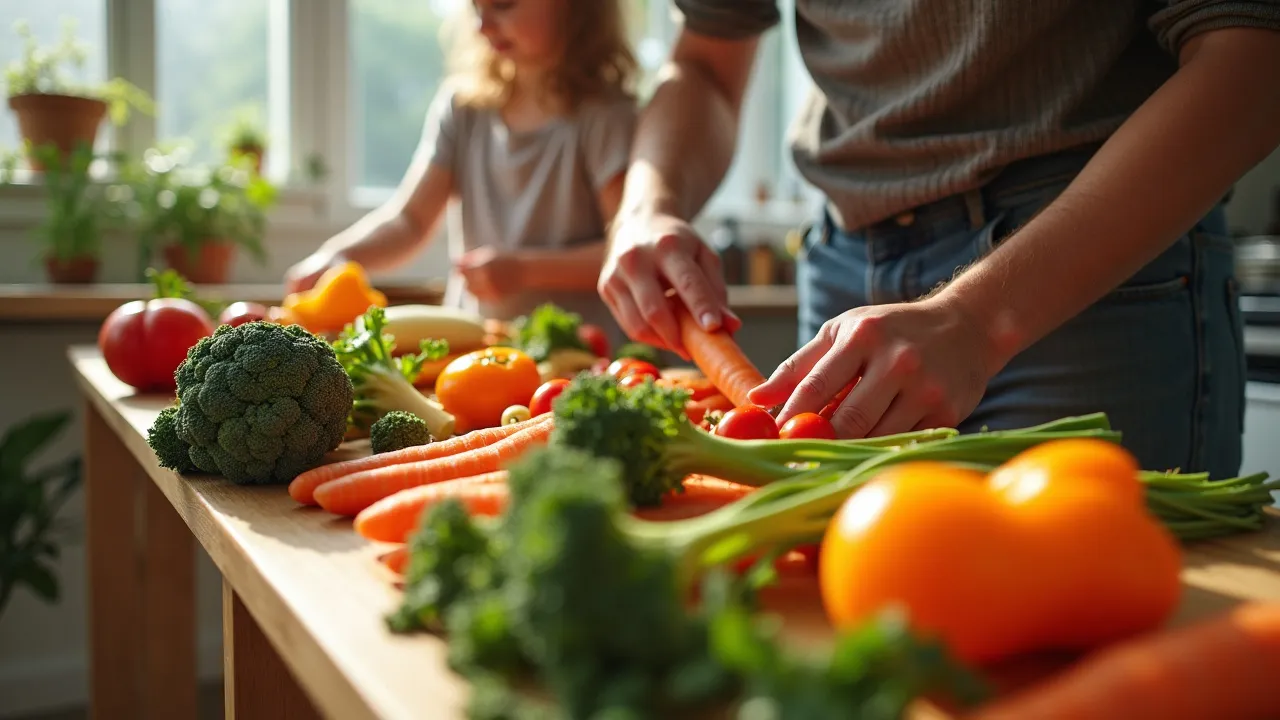
Celebrated each year on June 17th, National Eat Your Vegetables Day encourages everyone to include more nutrient-rich vegetables in their diet. This day highlights the vital role vegetables play in maintaining health and preventing chronic disease.
The Historical Origins & Evolutionary Journey
National Eat Your Vegetables Day, observed annually on June 17th, has its roots in the growing public health movement of the late 20th century. As dietary-related diseases such as obesity, heart disease, and diabetes surged, health advocates sought ways to promote simple, actionable nutritional advice. The Produce for Better Health Foundation (PBH) launched this observance in 1995 as part of the "Fruits & Veggies—More Matters" campaign, aiming to make vegetables a centerpiece of American meals.
The Foundational Catalyst
The driving force behind the day was the alarming decline in vegetable consumption among Americans. In the early 1990s, surveys showed that fewer than 25% of adults ate the recommended five servings of fruits and vegetables per day. The Centers for Disease Control and Prevention (CDC) joined forces with PBH to create a simple, memorable reminder: Eat your vegetables. The date June 17th was selected to coincide with the start of summer, when fresh produce is most abundant.
The Legislative/Official Adoption
While National Eat Your Vegetables Day is not a federal holiday, it gained official recognition through proclamations by state governors and city mayors across the United States. In 2007, the USDA’s MyPlate initiative further reinforced the message, dedicating half the plate to fruits and vegetables. Schools, hospitals, and corporate cafeterias began incorporating special menus and educational activities on June 17th.
Modern Global Legacy
Today, the observance has spread beyond U.S. borders, with Canada, the United Kingdom, and Australia adopting similar campaigns under names like "World Vegetable Day" or "Veggie Day." Social media movements using hashtags #EatYourVegetablesDay and #NationalVeggieDay have engaged millions, sharing recipes, gardening tips, and nutritional facts. The day now serves as a global reminder of the enduring power of a plant-based diet.
How to Celebrate National Eat Your Vegetables Day
Whether you are an individual, a family, a school, or a business, National Eat Your Vegetables Day offers endless ways to celebrate. Below are actionable ideas organized by setting.
For Individuals and Families
- Try a New Vegetable: Visit a local farmers' market and pick out a vegetable you've never cooked before—like kohlrabi, jicama, or celeriac.
- Meatless Monday on a Tuesday: Commit to a fully plant-based dinner. Explore recipes like lentil bolognese or cauliflower steaks.
- Grow Something: Even a small pot of basil or cherry tomatoes on a windowsill counts. Gardening connects you to the source of your food.
- Cook Together: Involve children in washing, chopping (with safety knives), and arranging vegetable platters. Make a rainbow salad.
For Schools and Educational Institutions
- Vegetable Tasting Stations: Set up tables with samples of raw, roasted, and steamed vegetables. Provide hummus or yogurt dips.
- Classroom Garden Project: Start seeds in cups or a small raised bed. Teach students about plant growth and nutrition.
- Nutrition Workshops: Invite a local dietitian to speak about the benefits of eating a variety of colorful vegetables.
For Workplaces and Organizations
- Healthy Potluck: Encourage employees to bring vegetable-based dishes. Award prizes for the most creative recipe.
- Corporate Challenge: Use a wellness app to track vegetable consumption across teams. Offer incentives for high participation.
- Partner with Local Farms: Arrange a community-supported agriculture (CSA) delivery to the office for a week.
Global Traditions
In different parts of the world, vegetables are celebrated in unique ways:
- Japan: Schools serve a "Kyushoku" (school lunch) that always includes a seasonal vegetable dish. June 17th might feature edamame or sweet potatoes.
- India: Many communities observe "Sabzi Din" preparing traditional vegetable curries and distributing them in temples.
- Italy: The day coincides with the harvest of early summer vegetables like zucchini and bell peppers, celebrated with a market festival in many towns.
The Health Benefits of Vegetables
Vegetables are nutritional powerhouses. They provide essential vitamins, minerals, fiber, and antioxidants with relatively few calories. The World Health Organization recommends eating at least 400 grams of vegetables and fruits per day to prevent noncommunicable diseases.
Key Nutrients Found in Vegetables
- Vitamin C (bell peppers, broccoli, kale): supports immune function and collagen production.
- Vitamin A (carrots, sweet potatoes, spinach): essential for vision and skin health.
- Potassium (potatoes, spinach, tomatoes): regulates blood pressure and muscle contractions.
- Folate (leafy greens, asparagus): crucial for cell division and DNA synthesis.
- Fiber (beans, artichokes, peas): promotes digestive health and satiety.
Disease Prevention
Regular vegetable consumption has been linked to reduced risk of heart disease, stroke, type 2 diabetes, and certain cancers. A 2019 meta-analysis in the International Journal of Epidemiology found that eating 800 grams of vegetables per day was associated with a 24% lower risk of coronary heart disease.
Incorporating More Vegetables
Simple swaps can dramatically increase intake: add spinach to smoothies, use lettuce wraps instead of bread, pack raw veggies for snacks, and double the vegetable portions in stir-fries and soups.
Global Impact and Agricultural Significance
National Eat Your Vegetables Day also shines a light on the global agricultural systems that bring vegetables to our tables. From smallholder farms in sub-Saharan Africa to high-tech greenhouses in the Netherlands, vegetable production is a vital economic sector.
Top Vegetable-Producing Countries
- China: Produces over 500 million metric tons annually, leading in cabbage, tomatoes, and cucumbers.
- India: Major producer of potatoes, onions, and okra.
- United States: Top crops include tomatoes, lettuce, and sweet corn.
Sustainability Challenges
Vegetable farming requires careful management of water, soil, and pest control. The day encourages consumers to choose locally grown and organic options when possible to reduce carbon footprints and support sustainable practices.
Economic Impact
In the U.S., the fresh vegetable industry contributes over $20 billion annually to the economy. The observance helps boost demand for seasonal produce, benefiting farmers and markets.
Common Misconceptions About Vegetables
Despite their benefits, many people avoid vegetables due to misunderstandings or taste preferences. Let's debunk some popular myths.
Myth: Frozen vegetables are less nutritious than fresh.
False. Frozen vegetables are typically flash-frozen at peak ripeness, preserving nutrients. In some cases (like spinach), frozen versions retain more vitamins than fresh ones that have sat on a shelf.
Myth: All vegetables need to be eaten raw to be healthy.
Cooking can make certain nutrients more bioavailable. For example, lycopene in cooked tomatoes is easier for the body to absorb. Steaming, roasting, and stir-frying are healthy methods.
Myth: Vegetables are not satisfying as a main meal.
With protein-rich options like lentils, chickpeas, and tofu, vegetable-based meals can be hearty. Dishes like vegetable curry, chili, and stuffed peppers provide complete meals.
Future Trends in Vegetable Consumption
The future of vegetable consumption is bright, driven by plant-forward diets, technology, and culinary innovation.
Plant-Based Movement
The rise of veganism and flexitarian eating has led to new vegetable-centric products: cauliflower pizza crusts, zucchini noodles, and bean-based pastas. The global plant-based food market is projected to reach $74 billion by 2027.
Vertical Farming and Local Production
Urban vertical farms use hydroponics and LED lighting to grow leafy greens year-round, reducing transportation costs and waste. These innovations make fresh vegetables accessible even in food deserts.
Culinary Creativity
Chefs worldwide are reimagining vegetables as the star of the plate. Fermented vegetables, vegetable charcuterie boards, and reinvented classics (like beetroot burgers) are trending on social media and restaurant menus.
Historical Timeline
Produce for Better Health Foundation and CDC launch National Eat Your Vegetables Day on June 17th as part of the '5 A Day' campaign to encourage vegetable consumption.
The 'Fruits & Veggies—More Matters' campaign replaces '5 A Day', emphasizing that greater variety and quantity of vegetables are beneficial.
USDA introduces MyPlate, visually dedicating half the plate to fruits and vegetables, reinforcing the day's message.
National Eat Your Vegetables Day gains global traction with social media campaigns and adoption by health organizations in Canada, UK, and Australia.
During the COVID-19 pandemic, the day sees a surge in home gardening and cooking, with searches for vegetable-based recipes increasing by 300%.
Celebrations include virtual cooking classes, school garden initiatives, and corporate wellness challenges, with an estimated 50 million Americans participating.