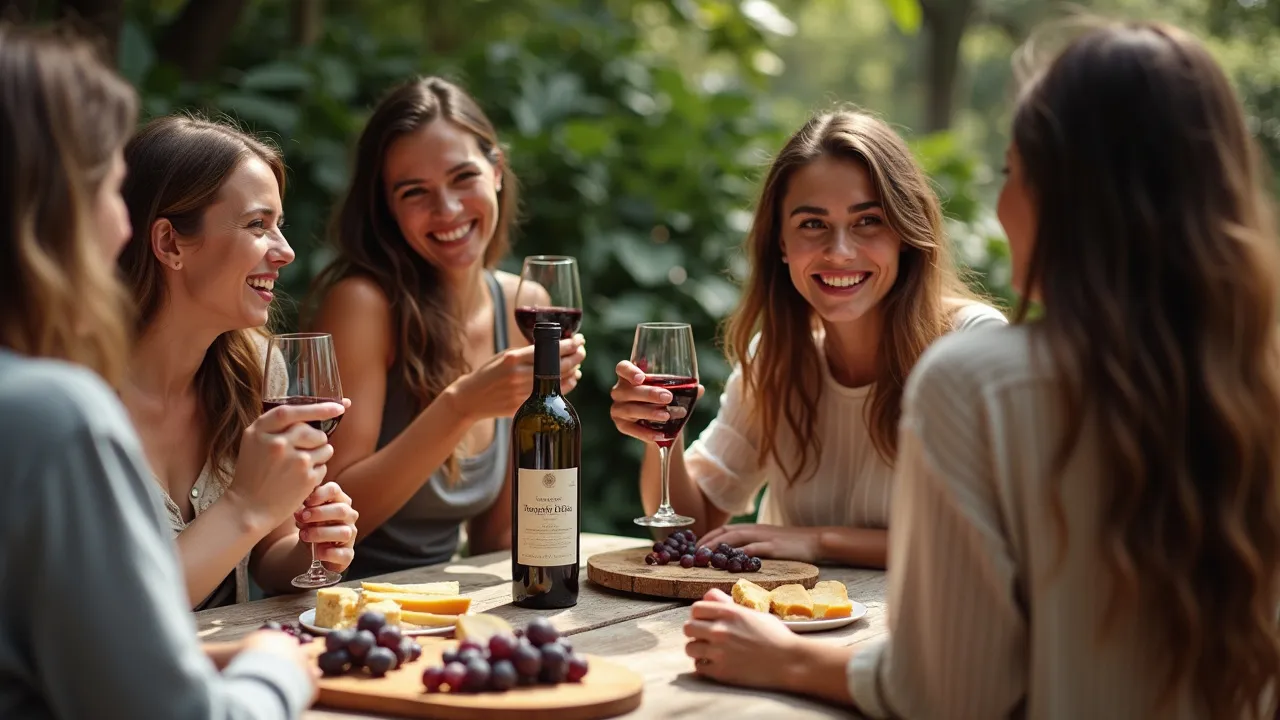
National Drink Wine Day is celebrated annually on February 18th. It honors the rich history of winemaking and encourages people to enjoy wine responsibly, paired with food or in social settings.
The Historical Origins & Evolutionary Journey
National Drink Wine Day was established in 2013 by Jace Shoemaker-Galloway, a wine enthusiast and lifestyle blogger. The day was created as a lighthearted observance to encourage people to explore and appreciate wine, its cultural significance, and its role in social gatherings. Unlike many food-centric holidays, National Drink Wine Day focuses on the experience of tasting and sharing wine, whether fine vintage or everyday table wine.
The Foundational Catalyst
The idea emerged from Shoemaker-Galloway's belief that wine is more than just an alcoholic beverage; it is a bridge connecting people across cultures and centuries. Wine has been produced for over 8,000 years, with archaeological evidence of winemaking in Georgia (c. 6000 BC). The ancient Greeks and Romans elevated wine to a cultural staple, integrating it into religious rites, medicine, and daily life. The day was officially registered on the National Day Calendar, and since 2013, it has gained traction through social media campaigns, wine tastings, and retailer promotions.
The Legislative/Official Adoption
While not a federal holiday, National Drink Wine Day has been recognized by various wine councils and industry bodies. It is not tied to any specific legislation but is widely acknowledged in the United States. In Europe, similar days like Saint Martin's Day (November 11) celebrate the new wine harvest. The February 18 date was chosen to break the winter monotony and offer a reason to gather indoors with wine.
Modern Global Legacy
Today, the day is observed in multiple countries through themed events, wine flights, and educational workshops. Wineries offer discounts, and restaurants create special pairing menus. Social media hashtags like #NationalDrinkWineDay trend annually. The day also serves as a reminder of responsible drinking and the health aspects of moderate wine consumption, particularly red wine, which is rich in antioxidants.
How to Celebrate National Drink Wine Day
There are countless ways to honor National Drink Wine Day, whether you are a seasoned oenophile or a curious beginner. Below are actionable ideas for individuals, groups, and organizations.
For Individuals and Couples
- Visit a Local Winery – Many wineries offer free tastings or cellar tours. Use the day to learn about terroir and varietals from experts.
- Host a Private Tasting – Pick a theme (e.g., Italian wines or California Cabernets) and compare notes with your partner or a friend. Include a cheese and charcuterie board.
- Wine and Book Pairing – Enjoy a glass of your favorite wine while reading a book about wine history or winemaking regions.
For Groups and Parties
- Blind Tasting Game – Have guests bring a bottle wrapped in paper. Everyone guesses the varietal, region, and price. Award a prize for the most accurate.
- Wine and Food Pairing Dinner – Plan a multi-course meal, each paired with a different wine. Invite friends to contribute dishes.
- Virtual Wine Night – Use video conferencing to taste the same wine with friends in different locations. Discuss tasting notes and origins.
For Organizations and Businesses
- Corporate Team Building – Offer a wine appreciation workshop or host an after-hours networking event with a sommelier.
- Retail Promotions – Wine shops and liquor stores can offer discounts on single bottles or create gift sets. Provide free tasting samples (where legal).
- Educational Seminars – Libraries or community centers can host talks on wine history, sustainability in viticulture, or the health effects of moderate consumption.
Regional Traditions
In France, the day may coincide with local wine festivals; in Spain, it is common to enjoy a glass of Rioja with tapas. In Japan, wine bars offer special sommelier-led flights. No matter where you are, the spirit is to savor wine responsibly and share the experience.
The Global Impact of Wine Culture
Wine is one of the most globally traded agricultural products, with an annual production of over 250 million hectoliters. The wine industry supports millions of jobs in viticulture, tourism, and hospitality. Countries like Italy, France, Spain, the United States, and Australia dominate production, but emerging regions such as China, South Africa, and Argentina are gaining recognition.
Economic Influence
Wine tourism is a multi-billion dollar sector. Regions like Napa Valley, Bordeaux, and Tuscany thrive on visitors who come to taste and purchase wine. National Drink Wine Day boosts sales for independent wineries and retailers, often serving as a kickoff to spring marketing campaigns.
Cultural Exchange
Wine transcends borders. Traditional winemaking techniques from ancient Georgia now inspire natural wine movements worldwide. Wine festivals promote cultural heritage, and competitions like the Decanter World Wine Awards highlight diversity.
Sustainability Efforts
In response to climate change, many wineries adopt organic, biodynamic, or regenerative practices. Consumers are increasingly seeking eco-certified wines, and National Drink Wine Day provides a platform to educate about sustainable viticulture.
Health Aspects and Responsible Enjoyment
Moderate wine consumption—defined as one glass per day for women and two for men—has been linked to certain health benefits, particularly for heart health due to antioxidants like resveratrol. However, the World Health Organization emphasizes that no amount of alcohol is completely safe, and the day should encourage responsible drinking.
Red Wine and Longevity
Studies suggest that the polyphenols in red wine may reduce inflammation and improve cholesterol levels. The French Paradox—low heart disease rates despite a diet rich in saturated fats—is often attributed to moderate red wine intake. Yet these benefits are most pronounced when combined with a balanced diet and exercise.
Alternatives for Non-Drinkers
Non-alcoholic wines and alcohol-free sparkling juices allow everyone to join the celebration. Many wineries now produce dealcoholized versions with similar taste profiles.
Safety Guidelines
Always designate a driver or use rideshares. Do not drink on an empty stomach. Pregnant women and individuals with certain medical conditions should avoid alcohol altogether.
Wine Varieties and Food Pairing Essentials
Understanding basic wine types enhances the celebration. Here is a quick guide:
Major Wine Types
Red Wines (e.g., Cabernet Sauvignon, Pinot Noir, Merlot) – Full-bodied, often aged, pair well with red meats and strong cheeses.
White Wines (e.g., Chardonnay, Sauvignon Blanc, Riesling) – Crisp or oaky, ideal with fish, poultry, and cream sauces.
Rosé – Made from red grapes with limited skin contact; pairs with salads, seafood, and light pasta.
Sparkling Wines (e.g., Champagne, Prosecco, Cava) – Festive, perfect for appetizers and celebrations.
Dessert Wines (e.g., Port, Sauternes, Ice Wine) – Sweet, served with desserts or blue cheese.
Pairing Principles
Match Weight – Pair light wine with light food, heavy wine with rich dishes.
Complement or Contrast – Either echo flavors (e.g., earthy wine with mushrooms) or offset (e.g., acidic wine with fatty food).
Regional Pairing – Classic combinations like Italian Chianti with tomato-based sauces work well.
The Wine Industry: From Vineyard to Glass
The journey from grape to bottle is complex and labor-intensive. Key stages include:
Viticulture
Grape growing depends on climate, soil, and vine management. Factors like terroir (the environment) influence flavor. Harvesting can be mechanical or hand-picked for premium wines.
Winemaking Process
- Crushing and Pressing – Grapes are crushed to release juice. For reds, skins remain during fermentation; for whites, skins are removed.
- Fermentation – Yeast converts sugar into alcohol. Temperature control affects the profile.
- Aging – Wines may age in stainless steel, oak barrels, or concrete. Oak adds vanilla and tannins.
- Bottling – After fining and filtration, wines are bottled, sometimes with additional aging in the bottle.
Sustainability Trends
Organic and biodynamic certifications grow, as do natural wines with minimal intervention. Climate change forces wineries to adapt, exploring cooler regions and drought-resistant grapes.
Historical Timeline
Earliest evidence of winemaking discovered in Georgia (Eurasia). Clay vessels with wine residue indicate fermented grape juice.
Ancient Greeks and Romans spread viticulture across the Mediterranean. Wine becomes central to culture, religion, and trade.
Louis Pasteur discovers the role of yeast in fermentation, revolutionizing winemaking consistency and quality.
The Judgment of Paris blind tasting puts California wines on the world map, sparking global competition.
National Drink Wine Day is founded by Jace Shoemaker-Galloway, first celebrated on February 18.
During the COVID-19 pandemic, virtual wine tastings surge in popularity, expanding the day’s reach via online events.