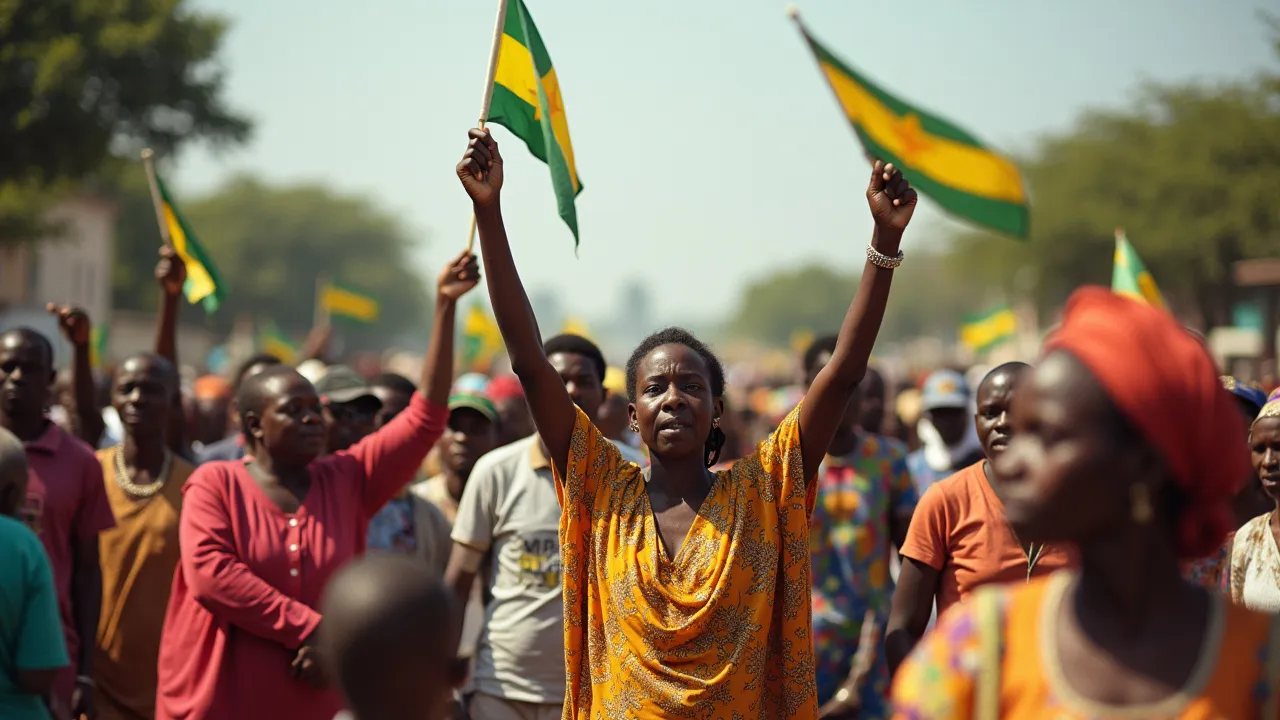
Gambia Independence Day, observed on February 18th, commemorates The Gambia's independence from British colonial rule in 1965. It is a national holiday filled with parades, cultural performances, and patriotic celebrations.
The Historical Origins & Evolutionary Journey
Gambia Independence Day marks the culmination of a long struggle for self-determination. Observed annually on February 18th, it celebrates The Gambia's break from British colonial rule in 1965. This section delves into the nation's journey from a British protectorate to a sovereign republic.
The Colonial Background
The Gambia's colonial history began in the 16th century with Portuguese exploration, but formal British control started in 1765 when the Senegambia region came under British authority. By 1889, the current borders were established through an agreement with France, creating a narrow strip along the Gambia River. For over a century, The Gambia was administered as a crown colony, with limited self-governance introduced in the 1950s.
The Path to Independence
The push for independence gained momentum after World War II. Political parties like the People's Progressive Party (PPP) under Sir Dawda Jawara advocated for self-rule. In 1962, universal adult suffrage was introduced, and Jawara became Prime Minister in 1963. The British Parliament passed the Gambia Independence Act in 1964, paving the way for sovereignty.
Independence Day 1965
On February 18, 1965, at midnight, the Union Jack was lowered and the Gambian flag—a vibrant tricolor of red, blue, green, and white—was raised for the first time. Sir Dawda Jawara became the first Prime Minister, and the nation became a constitutional monarchy with Queen Elizabeth II as head of state. In 1970, a referendum made The Gambia a republic, with Jawara as President.
Post-Independence Legacy
Since independence, The Gambia has faced political ups and downs, including a 1994 coup and a return to democracy in 2016. Despite challenges, Independence Day remains a uniting force, celebrating national pride and cultural heritage.
How to Celebrate Gambia Independence Day
Gambia Independence Day is celebrated with exuberance across the country and among diaspora communities. Here is a definitive guide to observing this national holiday, whether in Brikama, Banjul, or abroad.
Attend Official Events
- Presidential Address: The President delivers a speech at the Independence Stadium in Bakau, highlighting national achievements and goals.
- Parade and March Past: Security forces, school children, and civic groups parade in a display of unity.
Participate in Cultural Festivities
- Kankurang Festival: Watch the Kankurang (a masked traditional figure) perform to cleanse evil spirits.
- Drumming and Dance: Join local drum circles and dances like the Kumpo.
- Food and Feasting: Enjoy traditional dishes such as Domoda (peanut stew), Benachin (Jollof rice), and grilled fish.
Celebrate Abroad
Gambian diaspora communities organize events in the US, UK, and Europe. Common activities include:
- Cultural shows with traditional music and attire.
- Networking events to discuss development projects.
- Flag-raising ceremonies at embassies and community centers.
Corporate and School Celebrations
Organizations often host themed days with quizzes on Gambian history, while schools teach children about independence through art and singing. Many workplaces give employees the day off.
Significance of Independence Day in Modern Gambia
Gambia Independence Day is more than a historical milestone; it embodies national identity and resilience. This section explores its societal and political importance.
Symbol of Sovereignty
The day reaffirms The Gambia's place as an independent nation in the international community. It reminds citizens of their forefathers' struggle for freedom and the importance of protecting that legacy.
Unity in Diversity
The Gambia is home to multiple ethnic groups—Mandinka, Fula, Wolof, Jola, and others. Independence Day celebrations transcend ethnic lines, fostering a sense of Gambian nationalism.
Democratic Values
Since the 2016 elections, Independence Day has also become a celebration of democratic progress. The peaceful transfer of power to President Adama Barrow is highlighted in speeches and media.
Economic Reflection
The day also prompts reflection on economic progress, especially in agriculture and tourism. It's a time to discuss challenges like poverty and climate change while celebrating achievements.
Gambia's National Identity: Culture and Heritage
Independence Day offers a window into The Gambia's rich cultural tapestry. From music to oral history, the nation's identity is deeply intertwined with its legacy.
Traditional Music and Dance
- Kora Music: The kora, a 21-string lute, is central to Mandinka culture. Master players like the late Foday Musa Suso are national icons.
- Sabar Drums: Used in Wolof ceremonies, these drums energize celebrations.
- Masquerades: The Kankurang and Kumpo figures are UNESCO-recognized intangible heritage.
Attire and Adornment
On Independence Day, many wear traditional clothes: men in boubou and kufi caps, women in colorful caftan and headwraps. Beaded jewelry and henna are also prominent.
Cuisine as Identity
Food plays a unifying role. Popular dishes include Yassa (marinated chicken), Caldo (fish stew), and fresh fruits like mangoes and baobab juice. Communal eating from a large bowl symbolizes togetherness.
Economic Impact and Global Relations
Gambia Independence Day also serves as an opportunity to assess the nation's economic trajectory and international partnerships.
Tourism Boost
February is peak tourist season, and Independence Day events attract visitors. Hotels and tour operators offer special packages, contributing to the economy.
Diaspora Remittances
The Gambian diaspora, especially in the UK and US, send funds back home. Independence Day celebrations abroad often double as fundraising events for community projects.
International Relations
Foreign dignitaries often visit or send goodwill messages. The day reinforces diplomatic ties with neighboring Senegal and other allies.
Challenges and Opportunities
While progress is celebrated, the day also highlights ongoing issues: limited infrastructure, climate change affecting agriculture, and the need for economic diversification. Nevertheless, Independence Day embodies hope for a brighter future.
Future Outlook: The Next 60 Years
As The Gambia looks toward its next decades, Independence Day serves as a moment to envision national development. Key priorities include:
- Education and Youth Empowerment: Investing in schools and vocational training.
- Sustainable Tourism: Preserving beaches and wildlife while promoting eco-friendly practices.
- Political Stability: Strengthening democratic institutions and rule of law.
With a young population and growing digital connectivity, the nation has immense potential. Independence Day reminds all Gambians that the spirit of 1965 lives on—a spirit of determination, unity, and pride.
Historical Timeline
The British establish Bathurst (now Banjul) as a colonial settlement.
The current borders of The Gambia are defined through an agreement with France, creating a narrow enclave along the Gambia River.
Universal adult suffrage is introduced, and the People's Progressive Party (PPP) wins the general election.
The Gambia gains internal self-government; Dawda Jawara becomes Prime Minister.
The UK Parliament passes the Gambia Independence Act, setting the stage for sovereignty.
The Gambia gains full independence from Britain. The Union Jack is replaced by the new Gambian flag.
The Gambia becomes a republic via referendum, with Dawda Jawara as President.
A military coup led by Yahya Jammeh ousts President Jawara. Independence Day celebrations are toned down during the transition.
Adama Barrow wins the presidential election, ending Jammeh's 22-year rule. Independence Day takes on renewed democratic significance.
The Gambia celebrates 60 years of independence with major events across the country, focusing on unity and development.