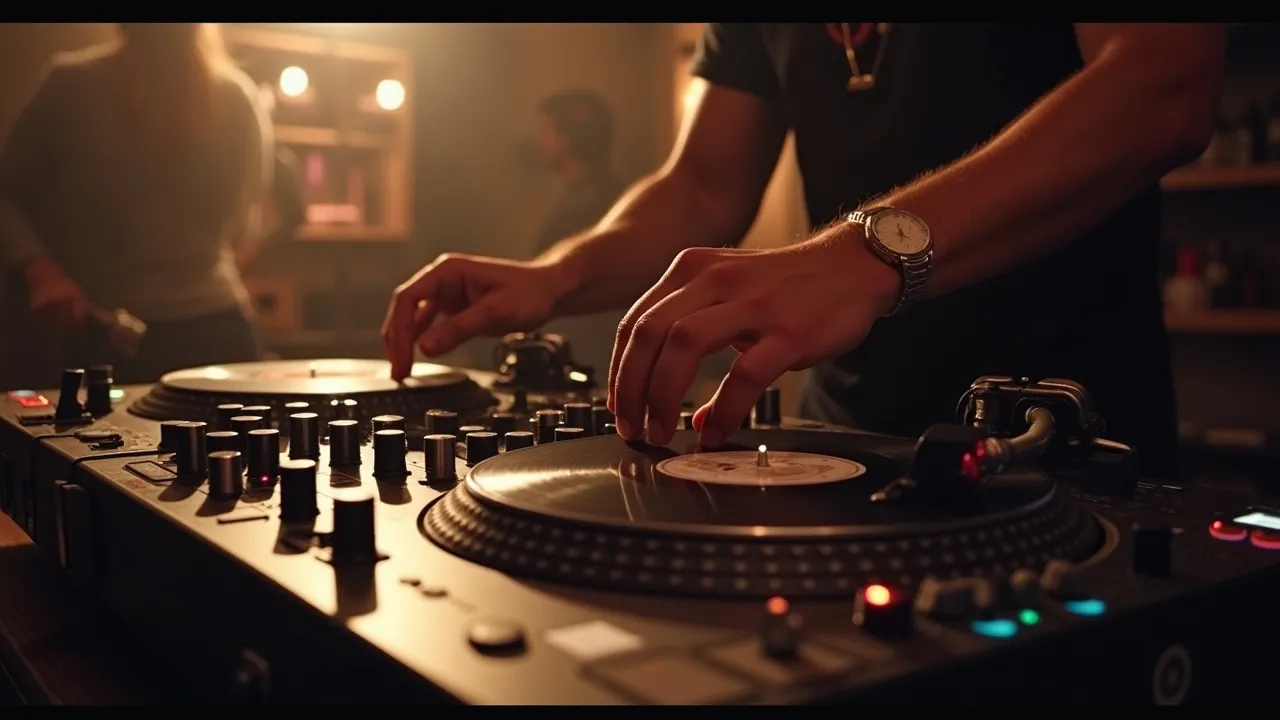
National DJ Day on January 20th celebrates the artistry and influence of disc jockeys. From radio pioneers to electronic music icons, this day honors the cultural impact of DJs worldwide.
The Historical Origins & Evolutionary Journey
National DJ Day, observed annually on January 20th, honors the art and craft of disc jockeys. The day was established to recognize the profound impact DJs have had on music, culture, and entertainment. However, the roots of DJing stretch back to the early 20th century.
The Foundational Catalyst
The term "disc jockey" was first coined by radio commentator Walter Winchell in 1935, describing radio personalities who played recorded music on air. The first known radio DJ was Ray Newby, who began playing records on experimental station KZG in 1909. In the 1940s and 1950s, figures like Alan Freed popularized rock and roll through radio, cementing the DJ's role as a tastemaker.
The Legislative/Official Adoption
National DJ Day was officially founded in 1999 by the National Association of Disc Jockeys (NADJ) to coincide with the birthday of legendary DJ and radio personality, though the exact date of January 20th was chosen to honor the broader DJ community. The day gained recognition through industry advocacy and social media campaigns, becoming a global observance.
Modern Global Legacy
Today, DJs are central to the music industry, from nightclubs to festivals. The rise of digital DJing and streaming platforms has democratized the craft, allowing anyone with a laptop to mix. National DJ Day now celebrates not only traditional turntablists but also producers, remixers, and electronic music artists who shape contemporary sound.
How to Celebrate National DJ Day
National DJ Day offers numerous ways to honor the art of DJing, whether you are a professional, enthusiast, or casual listener. Below are comprehensive celebration strategies tailored for individuals, schools, and organizations worldwide.
For Individuals
- Attend a live DJ set at a local club, bar, or community event. Many venues host special DJ nights on January 20th.
- Host a listening party with friends, curating a playlist of iconic DJ mixes or classic tracks.
- Try your hand at DJing using free software like Virtual DJ or smartphone apps. Learn basic beatmatching and transitions.
- Support your favorite DJ by purchasing their music, merch, or sharing their work on social media with the hashtag #NationalDJDay.
For Schools and Educational Institutions
- Organize a workshop on the history of DJing, including the evolution from radio to digital.
- Invite a local DJ to speak about their career and demonstrate mixing techniques.
- Facilitate a student DJ competition where participants showcase their mixes, judged by peers or professionals.
For Organizations and Corporations
- Host a lunchtime DJ session in the office or break room to boost morale.
- Partner with a charity that supports music education or DJ training programs for underprivileged youth.
- Create a company playlist curated by employees and stream it on internal platforms.
Global Traditions
In the United States, radio stations often feature retrospective shows highlighting legendary DJs. In the United Kingdom, club nights and pirate radio tributes are common. In Japan, DJs who pioneered techno and house music are celebrated in special events. In Brazil, favela DJs are spotlighted for their contributions to funk and baile funk.
The Global Impact of DJ Culture
DJ culture has transcended borders, influencing music genres, fashion, and social movements. From the Bronx block parties of the 1970s to the electronic dance music (EDM) festivals of today, DJs have been architects of global soundscapes.
Social and Cultural Influence
DJs have historically been gatekeepers of new music, breaking unknown artists and shaping trends. In the 1980s, hip-hop DJs like Grandmaster Flash elevated turntablism to an art form. In the 1990s, superstar DJs like Tiesto and Paul van Dyk headlined massive raves, spawning a multi-billion dollar industry.
Technological Revolution
The shift from vinyl to digital (CDJs, controllers, software) made DJing more accessible. Streaming services like Twitch and Mixcloud allowed DJs to reach global audiences without traditional radio. The pandemic accelerated online DJ sets, with millions tuning in from home.
Economic Impact
The DJ industry supports a vast ecosystem of equipment manufacturers (Pioneer DJ, Serato), music producers, sound engineers, and event promoters. Top DJs earn millions annually, and festivals like Tomorrowland generate significant tourism revenue.
The Evolution of DJ Technology
From phonographs to cloud-based platforms, DJ technology has undergone a radical transformation. National DJ Day is an opportunity to reflect on these innovations.
Analog Era (1900s-1980s)
- Phonograph and record players: Early radio DJs used Victrolas to play 78 RPM records.
- Turntables: The Technics SL-1200, introduced in 1972, became the industry standard for beatmatching and scratching.
- Mixers: Two-channel mixers with crossfaders allowed seamless transitions between songs.
Digital Revolution (1990s-2000s)
- CDJs: Pioneer's CDJ-5000 (1994) enabled DJs to play CDs with pitch control and cue points.
- Laptop DJing: Software like Traktor and Ableton Live allowed virtual decks and MIDI controllers.
- Digital Vinyl Systems (DVS): Products like Serato Scratch let DJs control digital files using time-coded vinyl.
Modern Era (2010s-Present)
Today, DJs use all-in-one controllers, streaming integration (Beatport Link, Tidal), and AI-assisted tools for harmonic mixing. Portable gear like the Denon DJ Prime series has made mobile DJing more powerful than ever.
Iconic DJs and Their Contributions
National DJ Day celebrates the pioneers and innovators who shaped the craft. Below are some of the most influential figures.
Radio Pioneers
Ray Newby (1909) – Considered the first radio DJ, playing records on air from his college station.
Alan Freed (1950s) – Coined the term "rock and roll" and popularized the music genre on radio.
Wolfman Jack (1960s) – Known for his distinctive voice and cross-border broadcasting from Mexico.
Hip-Hip and Turntablists
Kool Herc (1973) – Pioneered the breakbeat technique at Bronx block parties, laying foundation for hip-hop.
Grandmaster Flash (1970s) – Invented the crossfader and advanced scratching techniques.
Jazzy Jeff – Renowned for his transformative scratch style and production.
Electronic Music Superstars
Frankie Knuckles – "Godfather of House Music," who defined the Chicago house sound in the 1980s.
Carl Cox – A dominant force in techno and a three-time #1 DJ in the world.
Avicii – Brought EDM to mainstream pop with hits like "Levels" and "Wake Me Up."
The Future of DJing
As technology evolves, so does the role of the DJ. National DJ Day prompts a look ahead.
AI and Machine Learning
AI tools can now analyze tracks for key, BPM, and energy, suggesting seamless transitions. While some fear automation replaces skill, many DJs use AI as a creative assistant.
Virtual and Augmented Reality
VR DJ applications like Tribe XR allow aspiring DJs to practice in virtual clubs. AR could enable live performances where digital visuals interact with music in real time.
Decentralization and NFTs
Blockchain technology enables DJs to sell exclusive mixes as NFTs, creating new revenue streams. Platforms like Audius offer decentralized streaming with direct artist compensation.
Environmental Sustainability
The festival industry is moving toward carbon-neutral events. DJs increasingly use eco-friendly gear and advocate for sustainable touring practices.
Ultimately, the essence of DJing – reading a crowd, creating energy, and sharing passion – will remain human-centered, even as tools become more advanced.
Historical Timeline
Ray Newby becomes the first radio disc jockey, playing records on experimental station KZG in San Jose, California.
Walter Winchell coins the term "disc jockey" to describe radio personalities who play recorded music.
Radio DJs like Martin Block gain national fame by playing popular records, helping to establish the format.
Alan Freed hosts the first rock and roll concert, the Moondog Coronation Ball, solidifying the DJ's role as a musical tastemaker.
Technics introduces the SL-1200 turntable, which becomes the industry standard for beatmatching and scratching.
Kool Herc pioneers the breakbeat loop technique at a Bronx party, laying the foundation for hip-hop DJing.
Grandmaster Flash invents the crossfader, enabling smoother transitions and more complex scratching.
Pioneer releases the CDJ-5000, the first professional CD player designed for DJs.
The National Association of Disc Jockeys establishes National DJ Day on January 20th.
Digital DJ software (e.g., Traktor, Serato) and MIDI controllers revolutionize DJing, making it accessible to a wider audience.
Avicii's 'Levels' tops charts worldwide, bringing electronic dance music to mainstream pop and elevating the DJ-as-producer status.
During the COVID-19 pandemic, DJs adapt by streaming live sets on platforms like Twitch and Instagram, reaching millions at home.