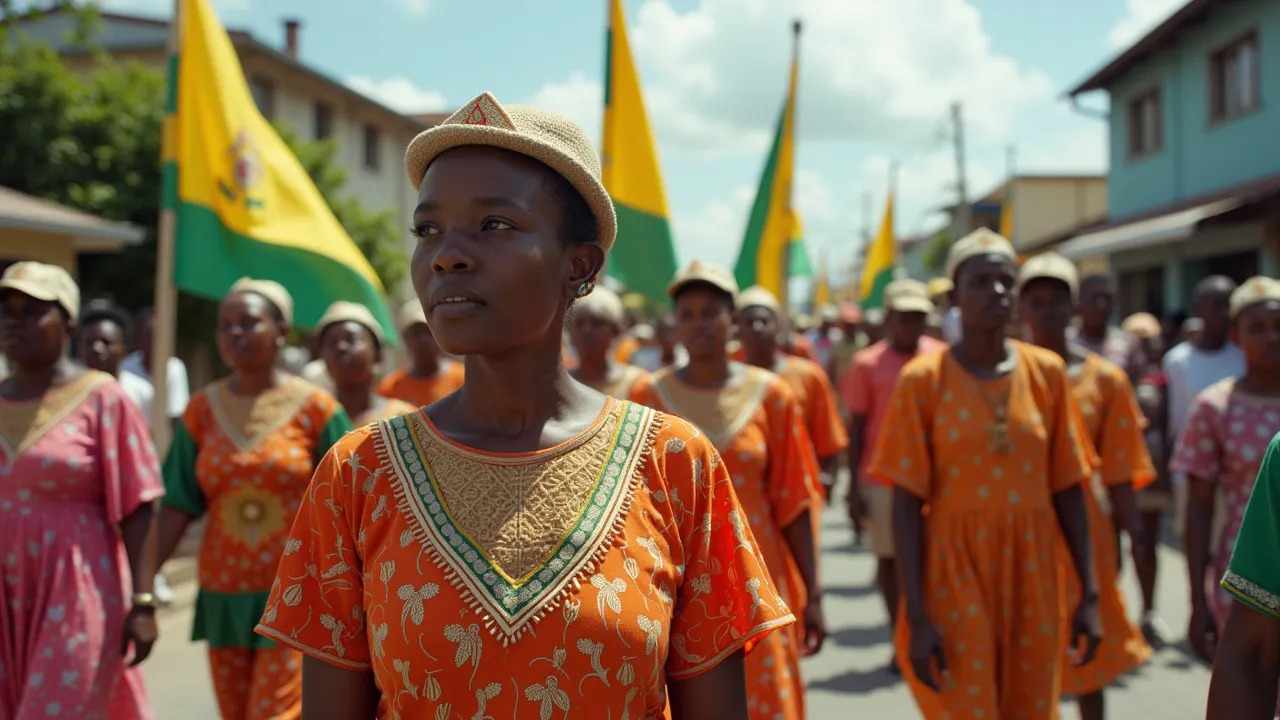
Suriname's National Day, observed on November 25th, marks independence from the Netherlands in 1975. Celebrations include parades, cultural events, and national pride.
The Historical Origins & Evolutionary Journey
Suriname's National Day, observed on November 25th, commemorates the nation's independence from the Kingdom of the Netherlands in 1975. This day marks the culmination of a long process of decolonization and the birth of a sovereign republic. The journey to independence was shaped by colonial history, cultural diversity, and political movements.
The Foundational Catalyst
Suriname was colonized by the British in the 17th century but came under Dutch control in 1667 after the Treaty of Breda. The colony's economy relied heavily on sugar plantations worked by enslaved Africans. After the abolition of slavery in 1863, indentured laborers from India, Java, China, and the Middle East were brought to Suriname, creating a multi-ethnic society.
In the 20th century, calls for self-governance grew. The Netherlands granted autonomy in 1954 under the Charter for the Kingdom of the Netherlands, allowing Suriname to manage internal affairs. However, full independence remained a goal for many political leaders. The National Party Suriname (NPS), led by Henck Arron, pushed for sovereignty. On November 25, 1975, Suriname officially became independent, with Queen Juliana and Prince Bernhard attending the ceremonies.
The Legislative/Official Adoption
Independence was formalized by the Constitution of Suriname, enacted on November 25, 1975. The first President was Johan Ferrier, with Henck Arron as Prime Minister. The day is enshrined as a public holiday under the country's labor laws.
Modern Global Legacy
Today, National Day is a symbol of national unity and pride. It features military parades, cultural performances, political speeches, and family gatherings. The celebration reflects Suriname's ethnic diversity, with traditional music, dance, and cuisine from Creole, Hindustani, Javanese, Maroon, and Indigenous communities.
How to Celebrate National Day (Suriname)
National Day in Suriname is a vibrant holiday with activities that blend official ceremonies and community festivities. Here is a definitive guide to celebrating, whether you are in Suriname or abroad.
For Individuals and Families
- Attend the Flag Ceremony: Raise the Surinamese flag early in the morning. Many communities hold flag-raising events at public squares.
- Watch the Military Parade: The main parade takes place in Paramaribo, featuring the National Army, police, and school bands.
- Enjoy Cultural Performances: Festivals showcase traditional dances like kaseko and kawina, along with music from steelpan bands and drumming groups.
- Savor National Dishes: Eat traditional foods such as pom (a casserole of chicken and taro), roti, nasi goreng, and bara (fried dough).
- Visit Historical Sites: Tour Fort Zeelandia or the Independence Square to learn about Suriname's history.
For Schools and Organizations
- Educational Events: Organize workshops on Suriname's history and cultural diversity.
- Dress Code: Encourage wearing the national colors: green, white, red, and yellow.
- Community Service: Volunteer in neighborhood clean-ups or charity drives to foster unity.
Global Celebrations
In the Netherlands, the Surinamese diaspora holds large festivals in cities like Amsterdam, Rotterdam, and The Hague. These include street parades, food markets, and concerts featuring Surinamese artists. In the United States, communities in Miami, New York, and Washington D.C. host cultural galas and church services. French Guiana, also home to many Surinamese, observes the day with cross-border gatherings.
Cultural Significance and National Identity
National Day is more than a political milestone; it is a reflection of Suriname's unique multicultural identity. The holiday reinforces a sense of belonging among its people, known as Surinamers. The country's motto, "Justitia – Pietas – Fides" (Justice – Duty – Loyalty), is celebrated through acts of community service and expressions of patriotism.
Symbolism of the Flag
The flag, adopted on November 25, 1975, features green for hope, white for peace, red for love and progress, and a yellow star representing the nation's unity and its ethnic communities. The star is also a symbol of the country's bright future.
Religious and Ethnic Harmony
Suriname is known for its religious tolerance, with Hindus, Christians, Muslims, and Indigenous faiths coexisting peacefully. National Day events often include interfaith prayers and blessings.
Economic Impact and Tourism
National Day boosts Suriname's economy through increased tourism and consumer spending. Hotels, restaurants, and transportation services see a surge in demand. The government often uses the occasion to launch economic initiatives or announce infrastructure projects. Tourism authorities promote heritage tours, eco-adventures in the Amazon rainforest, and visits to the UNESCO-listed inner city of Paramaribo.
Business Activities
- Street Markets: Vendors sell crafts, flags, and traditional foods.
- Concerts and Shows: Paid events generate revenue for local artists.
- Bank Holidays: Many businesses close, but retail and hospitality sectors remain active.
International Relations and Diaspora Engagement
National Day serves as a platform for Suriname to strengthen ties with other nations. Embassies worldwide host receptions, celebrating Surinamese culture and promoting trade. The diaspora, particularly in the Netherlands (over 350,000 people), maintains strong cultural links and often participates in homeland development projects.
Notable International Observances
In 2020, due to COVID-19, celebrations were scaled down, but virtual events were organized by embassies. In 2025, the 50th anniversary of independence will be a major milestone, with expected visits from international dignitaries.
Media and Public Discourse
Leading up to National Day, Surinamese media feature documentaries about independence, interviews with veterans, and analyses of the country's progress. Newspapers publish special editions, and radio stations play patriotic songs. Social media campaigns use hashtags like #SurinameIndependence and #NationalDaySuriname.
Educational Outreach
Schools dedicate weeks to teaching students about national history, cultural diversity, and civic responsibilities. Essay contests and art competitions are common.
Historical Timeline
Treaty of Breda cedes Suriname to the Dutch, beginning centuries of colonial rule.
Slavery abolished; indentured laborers from India, Java, China, and the Middle East arrive.
Suriname gains autonomy within the Kingdom of the Netherlands under the Charter.
Henck Arron becomes Prime Minister, leading independence negotiations.
Suriname becomes independent on November 25. First President: Johan Ferrier.
Military coup led by Desi Bouterse; subsequent dictatorship alters political landscape.
Return to democracy with free elections; National Day continues as a unifying holiday.
Planned 50th anniversary celebrations expected to draw international attention.