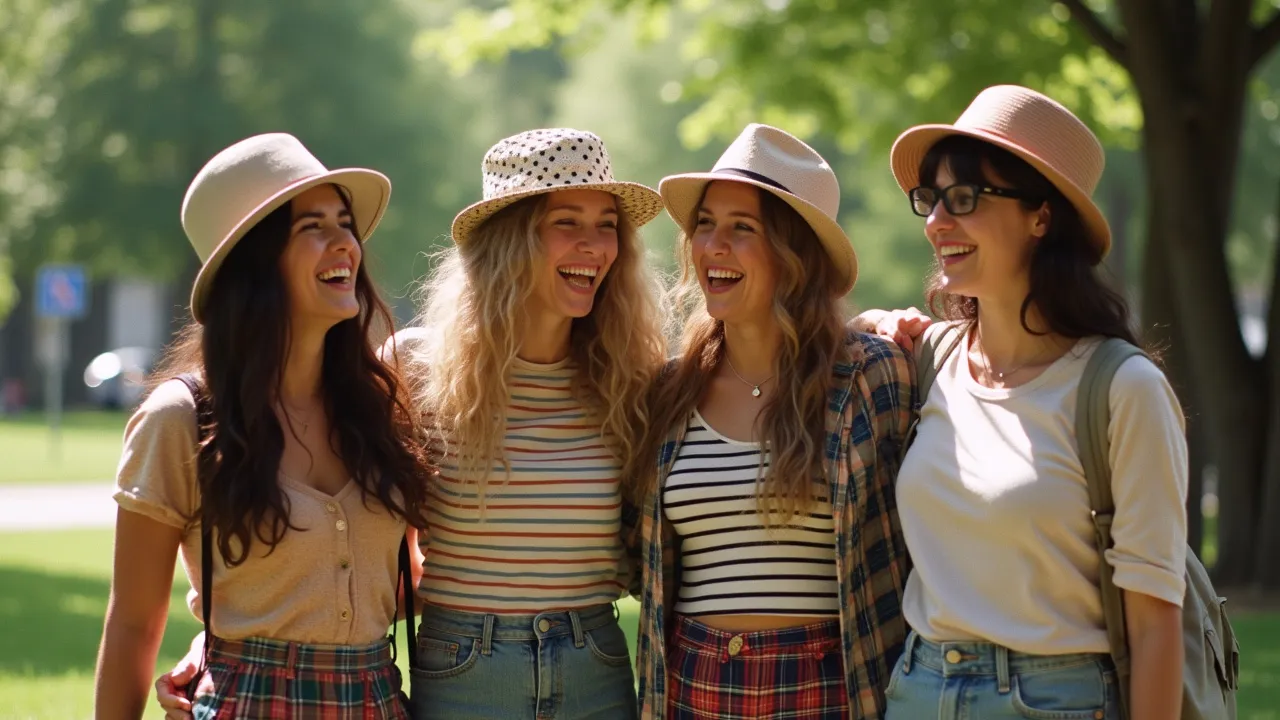
National Clashing Clothes Day is a playful holiday celebrated on the fourth Thursday of January, encouraging people to break fashion rules by mixing mismatched patterns, colors, and textures for fun and self-expression.
The Historical Origins & Evolutionary Journey
National Clashing Clothes Day was born from a simple rebellion against fashion conformity. Founded in 2003 by New York-based fashion student Patty Smith, the day started as a bet among classmates who dared each other to wear deliberately clashing outfits.
The Foundational Catalyst
In the early 2000s, fashion trends were dominated by minimalist coordination. Patty Smith, frustrated by the rigid rules of matching, organized a "clash-in" at her university. The event involved participants wearing the most discordant combinations they could devise. The event gained local media attention, sparking a movement.
The Legislative/Official Adoption
By 2005, the day had spread to other campuses. Smith registered the observance with the National Day Calendar in 2006, officially designating the fourth Thursday of January as National Clashing Clothes Day. Since then, it has been embraced by schools, corporate offices, and social media platforms.
Modern Global Legacy
Today, the day is celebrated in over 30 countries. It has evolved into a symbol of individuality and creative defiance. Fashion houses sometimes launch limited-edition clashing collections, and influencers dedicate entire posts to their most outlandish combos.
How to Celebrate National Clashing Clothes Day
Participating is easy and fun. The only rule is to avoid matching. Here are actionable strategies for individuals, groups, and organizations.
Individual Participation
- Mix patterns: Pair stripes with polka dots or floral with plaid.
- Layer clashing colors: Combine neon pink with bright orange or purple with yellow.
- Accessorize wildly: Add mismatched socks, odd earrings, or two different shoes.
School and Office Celebrations
- Host a "Clash Contest" with prizes for the most daring outfit.
- Organize a group photo in clashing attire for social media.
- Share "fashion disasters" that turned into compliments.
Global Variations
While most celebrate on the same date, some regions add local flavor. In Japan, participants often incorporate colorful wigs and face paint. In Brazil, the day coincides with summer festivals, blending beachwear with formal pieces. In the UK, charity shops promote buying second-hand clashing items.
The Psychology Behind Clashing Colors
Why do people enjoy clashing clothes? Psychologists suggest it taps into the human desire for novelty and self-expression. Color theory explains that discordant hues can stimulate the brain, increasing alertness and creativity.
Studies show that breaking fashion norms can reduce social anxiety by signaling confidence. Participants often report feeling liberated and more approachable. Clashing outfits also encourage conversations, making them excellent icebreakers.
Impact on the Fashion Industry
The fashion industry has taken notice. Major brands now release "clash capsule" collections featuring deliberately mismatched sets. Designers like Vivienne Westwood and Alessandro Michele have championed clashing aesthetics, influencing runway shows.
Thrift stores see increased sales on and around the day, as shoppers hunt for odd pieces. Sustainable fashion advocates praise the day for promoting reuse over buying new. The global trend has even spawned fashion subcultures like “normcore” and “chaos styling.”
Social Media & Cultural Phenomenon
Social media plays a massive role. Hashtags like #ClashingClothesDay and #MismatchDay trend annually on Instagram, TikTok, and Twitter. In 2023, the top posts garnered over 50 million views combined.
Influencers challenge followers to create outfits using a random pattern generator. Schools and companies post their group photos, fostering community. Multiple celebrity chefs, athletes, and politicians have joined in, sharing their clashing looks.
Global Recognition & Official Status
While not an official public holiday, National Clashing Clothes Day is recognized by the National Day Calendar and listed on many international observance databases. Several cities have issued proclamations. In 2022, Los Angeles declared it "Mismatch Day" in the city.
Efforts continue to have it recognized by UNESCO as an intangible cultural heritage, celebrating diversity and creativity. The day's growing popularity suggests it will remain a staple of modern pop culture.
Historical Timeline
Patty Smith organizes the first clashing clothes event at New York University, with 15 participants.
The celebration spreads to five other universities; local news coverage sparks national interest.
National Clashing Clothes Day is officially registered with the National Day Calendar, fixed on the fourth Thursday of January.
Fashion schools begin incorporating the day into curricula; first commercial retailer to offer a 'Clash Collection'.
Social media explosion: #ClashingClothesDay trends globally for the first time.
The day gains virtual traction during pandemic; remote workers participate via video calls.
Celebrated in over 30 countries; city of Los Angeles issues official proclamation.