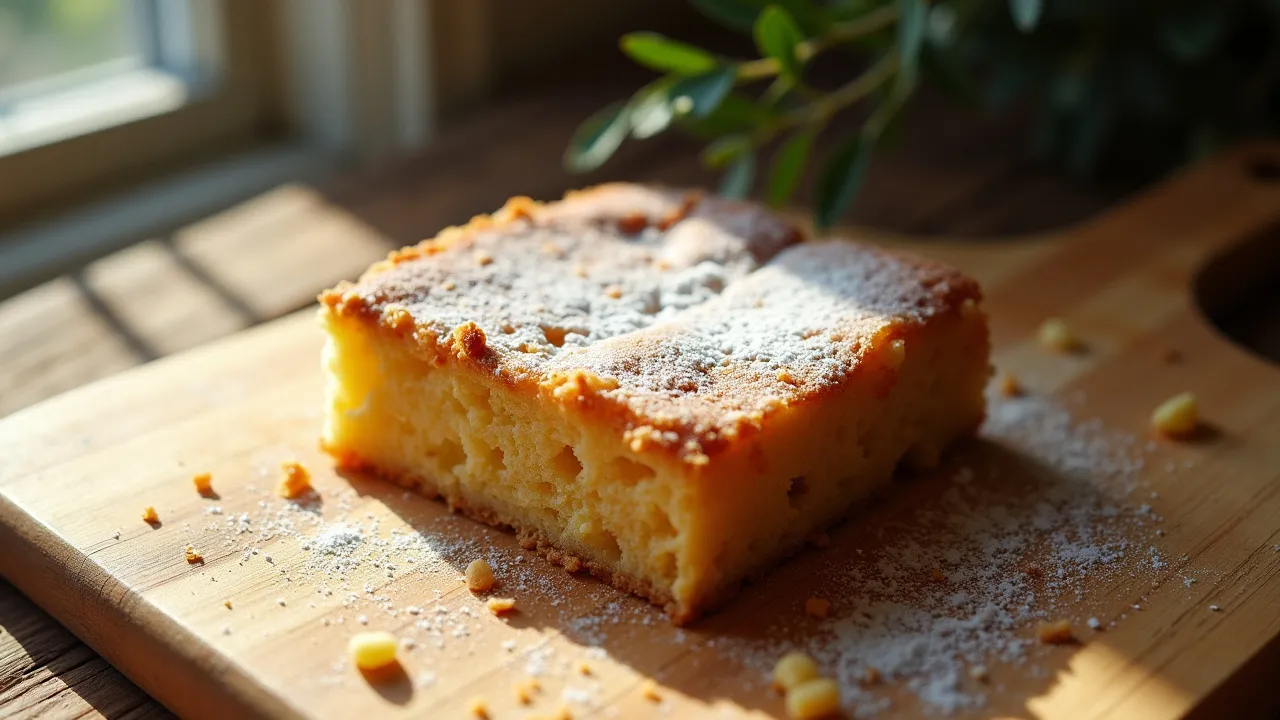
National Blonde Brownie Day, celebrated on January 22nd, honors the rich, buttery blondie—a vanilla-based cousin of the chocolate brownie. Discover its history, recipes, and global traditions.
The Historical Origins & Evolutionary Journey
National Blonde Brownie Day, observed each year on January 22nd, celebrates the beloved blondie—a dessert that rivals its chocolate counterpart in comfort and versatility. Unlike brownies, which rely on cocoa or melted chocolate, blonde brownies derive their flavor from brown sugar, butter, and vanilla, resulting in a chewy, caramel-like treat. The exact origins of this observance remain obscure, but its history is deeply rooted in American home baking.
The Foundational Catalyst: The First Blondie
The blondie's lineage traces back to the early 20th century, when home cooks began experimenting with brown sugar-based bar cookies. The first published recipe resembling a blondie appeared in the 1920s in community cookbooks, often called "butterscotch brownies" or "blonde brownies." These recipes omitted cocoa, using molasses or brown sugar to achieve a rich color. The term "blondie" itself gained traction in the 1950s, popularized by food writers like Betty Crocker, who included a "Blonde Brownie" recipe in their 1955 cookbook Cooky Book.
The Legislative/Official Adoption
National Blonde Brownie Day does not have a formal legislative origin; it emerged organically from food-focused calendars and social media. By the early 2000s, websites like National Day Calendar began listing January 22 as the dedicated day, likely chosen to provide a lighter dessert option after the heavy holiday season. The day gained visibility through baking blogs and Pinterest, with millions sharing blonde brownie recipes annually.
Modern Global Legacy
Today, the observance transcends borders. In the United Kingdom, similar treats are called "flapjacks" but differ in texture; in Australia, "blondies" are often paired with white chocolate. The day has become a platform for bakers to innovate, introducing variations like gluten-free blondies, vegan blondies, and even savory blondies with bacon. National Blonde Brownie Day reinforces the idea that dessert does not require chocolate to be decadent.
How to Celebrate National Blonde Brownie Day
Whether you are a seasoned baker or a novice, National Blonde Brownie Day offers countless ways to indulge. Follow this definitive guide to make the most of January 22nd.
For Individuals and Families
- Bake a Classic Blondie Recipe: Begin with a base of melted butter, brown sugar, eggs, vanilla, flour, and baking powder. Add mix-ins like chocolate chips, nuts, or dried fruit.
- Organize a Blondie Swap: Invite friends to bring their homemade blondies. Vote on categories like best texture, most creative mix-in, or prettiest presentation.
- Host a Blondie Tasting Party: Prepare several variations (e.g., peanut butter blondie, white chocolate macadamia blondie, salted caramel blondie) and let guests rank them.
For Schools and Community Groups
- Baking Competition: Host a school-wide blondie bake-off with judges from local bakeries. Encourage students to submit original recipes.
- Fundraising Bake Sale: Sell blondies to raise money for a cause. Package them in festive bundles with recipe cards.
For Businesses and Social Media
- Employee Treat Day: Provide blondies in the break room or offer a virtual baking class via Zoom.
- Social Media Challenge: Launch a hashtag like #BlondeBrownieDay and ask followers to post their blondie creations. Offer a prize for the most innovative.
Global Traditions: How Different Countries Celebrate
While National Blonde Brownie Day is primarily observed in the United States, its spirit is global. In Canada, blondies are often served with maple syrup glaze. In Sweden, similar bars called "blondie” are paired with lingonberries. In Japan, matcha-flavored blondies have become a trendy fusion dessert. Embrace these international variations to diversify your celebration.
The Blonde Brownie vs. Traditional Brownie: A Comparison
Understanding the differences between blonde brownies and classic chocolate brownies enhances appreciation for both treats. Here is a detailed breakdown.
- Flavor Profile: Brownies are rich and chocolatey from cocoa or melted chocolate. Blondies are butterscotch-like, with notes of caramel from brown sugar and vanilla.
- Texture: Brownies can be fudgy or cakey depending on fat-to-flour ratio. Blondies are typically chewier, with a denser crumb due to the absence of cocoa.
- Key Ingredients: Brownies require cocoa powder or chocolate; blondies rely on brown sugar (light or dark) and vanilla extract. Both use butter, eggs, flour, and leavening.
- Nutritional Profile: Blondies often have slightly fewer calories because they lack cocoa solids, but the higher sugar content can offset. They are generally comparable.
Ultimately, the choice depends on craving: chocolate or caramel. National Blonde Brownie Day celebrates the latter, offering a sophisticated alternative to traditional brownies.
Key Ingredients and Variations
The beauty of the blonde brownie lies in its adaptability. Understanding core ingredients unlocks endless customization.
Essential Ingredients
- Brown Sugar: Light brown sugar yields a mild caramel flavor; dark brown sugar adds deeper molasses notes.
- Butter: Unsalted butter allows control over saltiness. Browning the butter creates a nutty flavor.
- Vanilla Extract: Pure vanilla is critical for the signature taste. Use at least one tablespoon per batch.
- Eggs: Large eggs bind the batter. For extra chewiness, use one whole egg plus one yolk.
- Flour: All-purpose flour works best. Substitute up to 30% with almond or oat flour for gluten-free options.
- Baking Powder: A small amount ensures a tender rise.
Creative Variations
- Milk Chocolate Chip Blondie: Fold in milk chocolate chips for a sweeter twist.
- White Chocolate Cranberry Blondie: Tart cranberries offset white chocolate's sweetness.
- Peanut Butter Swirl Blondie: Drop dollops of peanut butter on top and swirl with a knife.
- Salted Caramel Blondie: Drizzle caramel sauce over the batter and sprinkle flaky sea salt.
- Matcha Green Tea Blondie: Replace 2 tablespoons of flour with matcha powder for an earthy flavor.
These variations demonstrate that the blondie is a canvas for culinary creativity.
Nutritional Profile and Dietary Adaptations
For health-conscious enthusiasts, understanding the nutritional content of a standard blonde brownie is important. A typical 2-inch square blondie (made with butter, brown sugar, etc.) contains approximately 180–220 calories, 8–10 grams of fat, and 25–30 grams of carbohydrates. Protein content is minimal, around 2 grams. Here are ways to adapt the recipe for various diets:
Gluten-Free Blondies
Substitute all-purpose flour with a gluten-free blend (e.g., rice flour, tapioca starch, or almond flour). Add ½ teaspoon of xanthan gum if not included in the blend. Ensure oats and other mix-ins are certified gluten-free.
Vegan Blondies
Replace butter with coconut oil or vegan margarine. Use flax eggs (1 tablespoon ground flaxseed + 3 tablespoons water per egg) or commercial egg replacer. Choose dark chocolate chips that are dairy-free.
Low-Sugar Blondies
Reduce brown sugar by half and substitute with a natural sweetener like erythritol or monk fruit. Add sugar-free chocolate chips or unsweetened coconut flakes for sweetness.
These adaptations ensure everyone can partake in the celebration without sacrificing taste.
The Blonde Brownie in Popular Culture and Media
The blonde brownie has made appearances in pop culture, from television shows to social media trends. In the TV series The Great British Baking Show, contestants have created blondie towers with elaborate decorations. On Instagram, the hashtag #blondie has over 1.5 million posts, showcasing everything from classic bars to elaborate blondie cakes.
Food influencers like Smitten Kitchen and Half Baked Harvest have featured blonde brownie recipes that go viral, contributing to the day's popularity. Celebrity chefs, such as Ina Garten, have offered their takes on the dessert, further cementing its status as a staple of American baking.
National Blonde Brownie Day also appears on countless food holidays lists, often alongside National Chocolate Brownie Day (December 8). This pairing highlights the blondie's role as both counterpart and equal to the classic brownie.
Historical Timeline
First known 'blonde brownie' recipes appear in community cookbooks, calling them 'butterscotch brownies' or 'blonde brownies'.
Betty Crocker's 'Cooky Book' includes a Blonde Brownie recipe, popularizing the treat across America.
National Blonde Brownie Day enters food holiday calendars, with January 22 becoming the agreed-upon date.
The hashtag #BlondeBrownieDay emerges on social media, boosting the day's visibility.
Vegan and gluten-free blondie recipes skyrocket in popularity during the pandemic baking boom.