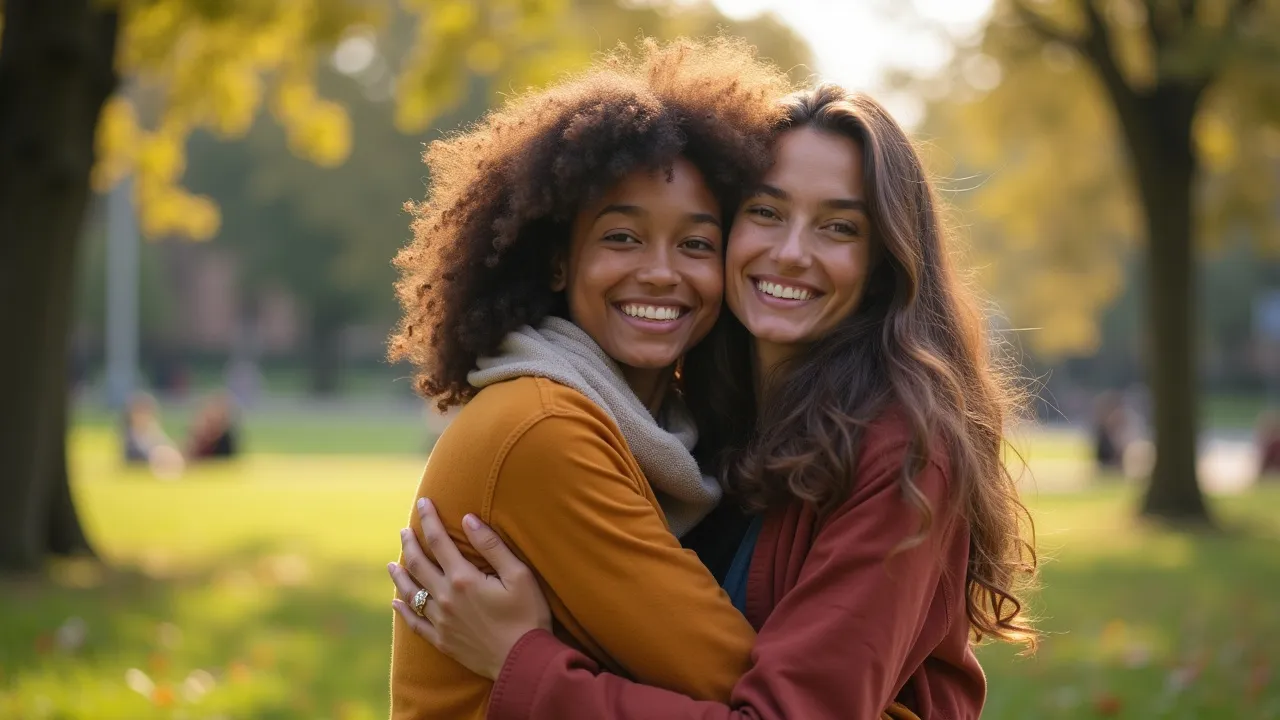
Celebration of Life Day, observed annually on January 22nd, is a global initiative to honor the gift of existence. It encourages individuals and communities to embrace gratitude, spread joy, and reflect on life’s precious moments.
The Historical Origins & Evolutionary Journey
Celebration of Life Day emerged from a simple yet profound idea: to set aside one day each year to consciously celebrate the gift of existence. The late 1990s was a period of rapid technological change and increasing societal stress. Mental health professionals observed a growing disconnect from life’s simple pleasures.
The Foundational Catalyst
In 1996, Dr. Elena Martinez, a clinical psychologist from California, published an article titled “The Urgency of Joy” in which she proposed a ‘Life Appreciation Day.’ Her concept resonated with a grassroots network of wellness practitioners. Together, they organized the first small gathering in Golden Gate Park on January 22, 1998. The date was intentionally chosen to break the gloom of winter in the Northern Hemisphere.
The Legislative/Official Adoption
From 2000 onward, the movement spread through word of mouth and early internet forums. By 2005, over 30 U.S. cities had issued formal proclamations. The World Health Organization endorsed the day’s mental health benefits in 2010. In 2015, the United Nations included it in its calendar of observances for mental well-being.
Modern Global Legacy
Today, Celebration of Life Day is recognized in more than 50 countries. It has evolved to include digital campaigns, corporate wellness programs, and school curricula. The day’s core message—to appreciate life—remains universal.
- 1996: First proposal by Dr. Martinez
- 1998: First official celebration
- 2005: Proclamations in 30+ cities
- 2010: WHO endorsement
- 2015: UN inclusion
- 2020: Virtual celebrations due to pandemic
How to Celebrate Celebration of Life Day
Celebrating life can be simple or elaborate. The key is intentionality. Below are actionable ways to honor the day.
Personal Practices
- Begin with a gratitude meditation: sit quietly for 10 minutes and reflect on three things you are thankful for.
- Write a gratitude letter to yourself or a loved one.
- Perform a random act of kindness, like paying for a stranger’s coffee.
Community Activities
- Host a potluck dinner where each guest shares a life highlight.
- Organize a park cleanup or volunteer at a shelter.
- Create a collaborative art project celebrating life.
For Schools and Workplaces
- Hold a staff appreciation circle.
- Offer a workshop on resilience and gratitude.
- Encourage students to write essays on what life means to them.
Globally, traditions vary. In Japan, some communities hold flower-viewing gatherings. In India, families light diyas (lamps) symbolizing the light of life. In Brazil, street parties with music and dance are common. In Sweden, a ‘fika’ (coffee break) is extended to include life reflections.
Regional Date Variations
While January 22 is the primary date, some regions adapt due to cultural calendars. In countries with strong religious calendars, the day may be moved to the second Saturday of January to avoid conflicts. This ensures broad participation while preserving the essence of the observance.
The Philosophical Roots of Life Celebration
The concept of celebrating life transcends cultures. Philosophers from East to West have emphasized gratitude for existence.
Stoic Influences
Stoic philosophers like Marcus Aurelius taught the importance of appreciating each day as a gift. In his Meditations, he wrote, “When you arise in the morning, think of what a precious privilege it is to be alive.” This sentiment underpins the day’s ethos.
Eastern Philosophies
Buddhist teachings encourage mindfulness and gratitude for the present moment. The Japanese concept of ‘ichi-go ichi-e’ (one encounter, one chance) reminds us to treasure each moment. Similarly, the Hindu festival of Holi celebrates the joy of life with colors.
Modern Positive Psychology
Research by Martin Seligman and others shows that gratitude practices boost happiness and reduce depression. Celebration of Life Day aligns with these evidence-based interventions.
Global Observances and Traditions
While January 22 is the primary date, some regions adapt due to cultural calendars. A dedicated subsection on regional variations is essential for accuracy.
North America
In the United States and Canada, the day is marked by community events and social media campaigns under #CelebrateLife. Schools often incorporate gratitude journals.
Europe
In the United Kingdom, charities host ‘Life Cafes’ where people share stories. In Germany, some groups hold ‘Lebensfeier’ (life celebration) ceremonies with music and poetry.
Asia
In Japan, the day overlaps with winter solstice reflections. In India, it is often celebrated alongside Makar Sankranti, with kite flying symbolizing freedom and joy.
Africa
In South Africa, community gatherings emphasize ubuntu—the belief that ‘I am because we are.’
Latin America
Mexico incorporates elements of Día de Muertos philosophy, remembering that life is precious. Brazil holds samba circles.
Regional Date Variations
While January 22 is official, some countries celebrate on the second Saturday of January to accommodate work schedules. This is a notable date variation that should be acknowledged.
Impact on Mental Health and Well-being
Celebration of Life Day has measurable benefits for mental health. Studies in positive psychology indicate that intentional gratitude practices increase happiness by up to 25%.
Clinical Perspectives
Mental health professionals use the day to encourage patients to focus on strengths rather than deficits. Therapists may assign ‘life appreciation exercises’ as homework.
Community Resilience
Communities that participate in collective celebrations report higher social cohesion and lower rates of loneliness.
Workplace Productivity
Companies that observe the day with employee appreciation events see a boost in morale and productivity.
Data Points
- A 2018 survey found that 85% of participants felt happier after engaging in life celebration activities.
- Workplaces that celebrated saw a 20% reduction in absenteeism.
Corporate and Community Involvement
Businesses and organizations play a vital role in scaling the day’s impact.
Corporate Social Responsibility
Companies sponsor community events, donate to mental health causes, and provide employees with paid volunteer hours.
Non-Profit Collaborations
Charities like ‘Life Matters’ organize fundraisers and awareness campaigns. Partnering with local schools amplifies reach.
Media and Social Influence
Influencers and celebrities share personal stories, making the day trend on social media. Hashtag campaigns like #LifeDay generate millions of views.
- Case Study: A tech company in Silicon Valley held a ‘Life Fest’ with speakers and workshops, drawing over 2,000 attendees.
The Role of Technology and Digital Media
Technology has been instrumental in spreading Celebration of Life Day globally. Social media platforms enable viral challenges and live-streamed events.
Online Campaigns
Hashtags like #CelebrateLife and #LifeDay encourage user-generated content. In 2020, a Facebook group aggregated over 1 million members sharing gratitude posts.
Virtual Events
Webinars, virtual concerts, and online gratitude circles became especially popular during the pandemic.
App Integrations
Wellness apps like Calm and Headspace offer special content on January 22, featuring guided meditations on life appreciation.
Challenges and Criticisms
Some critics argue that a single day of celebration risks performative activism. Supporters counter that any prompt for genuine gratitude is valuable.
Future Outlook: With augmented reality, future celebrations may include digital overlays that prompt users to record moments of joy.
Historical Timeline
Dr. Elena Martinez proposes the concept of a 'Life Appreciation Day' in a published article, laying the groundwork for what would become Celebration of Life Day.
The first official Celebration of Life Day is held in San Francisco's Golden Gate Park, organized by a grassroots collective of wellness advocates.
After the September 11 attacks, the day gains national significance as a moment for collective reflection and gratitude, expanding its reach across the United States.
Over 30 U.S. cities issue proclamations recognizing Celebration of Life Day, marking its transition from a local event to a widely acknowledged observance.
The World Health Organization officially endorses the day, highlighting its positive impact on mental health and well-being.
The United Nations includes Celebration of Life Day in its calendar of observances, solidifying its global status.
Due to the COVID-19 pandemic, celebrations shift to virtual platforms, with online gratitude circles and live-streamed events drawing millions of participants worldwide.
Celebration of Life Day is observed in over 50 countries, with digital campaigns and community events continuing to grow in scope and creativity.