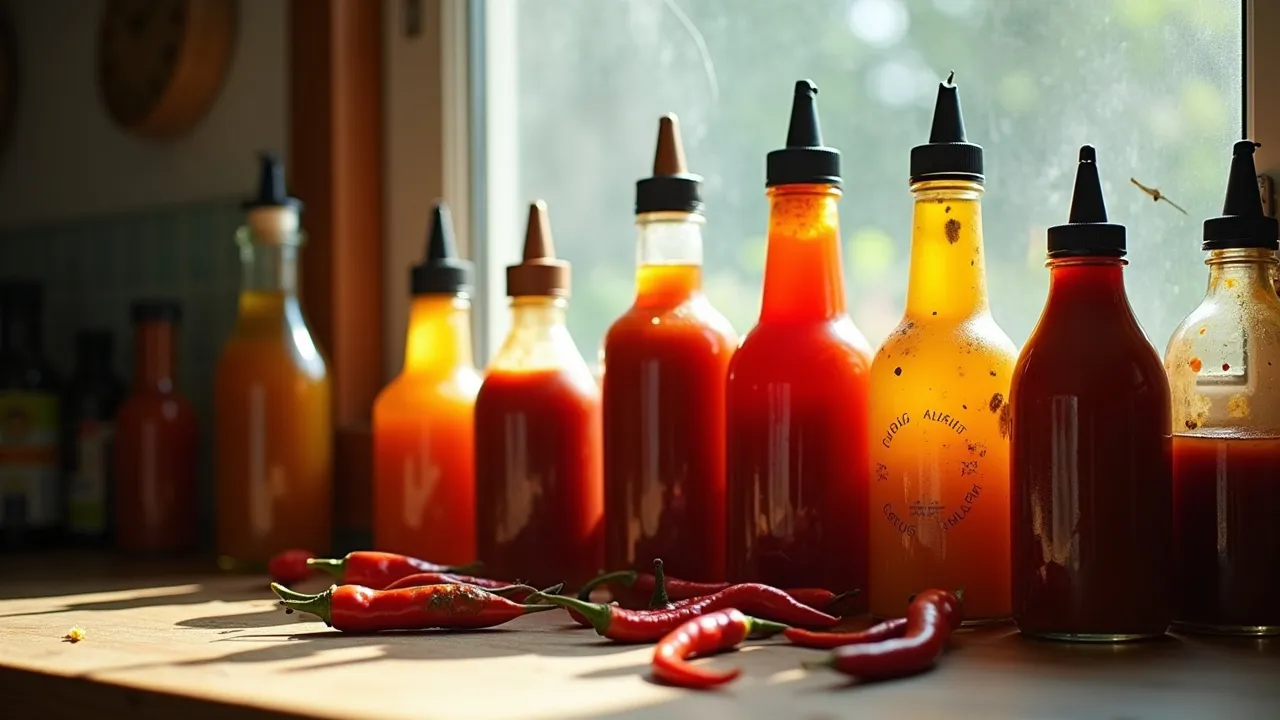
National Hot Sauce Day on January 22nd celebrates the fiery condiment that adds zest to meals worldwide. From its ancient origins to modern artisanal blends, discover the history and ways to enjoy hot sauce.
The Historical Origins & Evolutionary Journey
National Hot Sauce Day, observed each January 22nd, honors a condiment that has spiced up human cuisine for millennia. The journey of hot sauce begins with the chili pepper, native to the Americas and domesticated over 6,000 years ago.
The Foundational Catalyst
The earliest known hot sauces were Aztec and Inca creations, combining chili peppers with water or vinegar to preserve and add heat. The arrival of Europeans in the 15th century spread chili peppers globally, leading to regional sauce innovations. In the United States, the first commercial hot sauce appeared in 1807 in Massachusetts, but the iconic Tabasco sauce, launched in 1868 by Edmund McIlhenny, set the standard for modern hot sauces.
The Legislative/Official Adoption
National Hot Sauce Day was established in 2001 by the National Hot Sauce Association (NHSA) to promote appreciation for the condiment and its cultural significance. The date January 22nd was chosen to mark the peak of winter, encouraging people to "heat up" their meals. The day gained recognition through media campaigns and social media hashtags like #NationalHotSauceDay.
Modern Global Legacy
Today, hot sauce is a multi-billion dollar industry with thousands of varieties. From Sriracha in Thailand to Harissa in North Africa, the condiment transcends borders. The day now includes festivals, sauce tastings, and charity events, solidifying its place as a global celebration of heat and flavor.
How to Celebrate National Hot Sauce Day
National Hot Sauce Day offers endless ways to participate, from personal experiments to community events. Here’s a comprehensive guide to celebrating this fiery day.
Individual Celebrations
- Hot Sauce Tasting Flight: Sample 5-10 different sauces from mild to extreme, noting flavors and heat levels.
- Cook-Off Challenge: Prepare a meal using only hot-sauce-based marinades or dressings.
- DIY Sauce Making: Create your own blend using fresh chilies, vinegar, and spices.
Community & Social Rituals
- Organize a hot sauce swap with friends or colleagues.
- Host a virtual tasting party via video call.
- Support local hot sauce makers by purchasing their products.
Corporate & Organizational Activities
- Restaurants can feature special hot sauce menus or flights.
- Schools can hold educational sessions on pepper history and heat science.
- Businesses can include hot sauce in team-building events.
Regional Variations: In the United States, the day emphasizes barbecue and Tex-Mex pairings. In Mexico, it's common to add fresh salsas. In Asia, celebrations often feature Sriracha and sambal. In Africa, harissa-based dishes take center stage.
Health Benefits and Culinary Uses of Hot Sauce
Beyond its fiery flavor, hot sauce offers surprising health benefits thanks to capsaicin, the compound that gives chili peppers their heat.
Health Benefits
- Metabolism Boost: Capsaicin can temporarily increase calorie burning.
- Pain Relief: Topical capsaicin creams reduce arthritis and nerve pain.
- Heart Health: Regular consumption may lower blood pressure and cholesterol.
- Antioxidants: Peppers are rich in vitamins A, C, and E.
Culinary Versatility
Hot sauce enhances nearly any dish. Use it to:
- Add kick to eggs, soups, and stews.
- Marinate meats and vegetables.
- Spice up cocktails like Bloody Marys.
- Drizzle over pizza, tacos, or popcorn.
Global Hot Sauce Varieties and Their Origins
Hot sauce is a global phenomenon, with each region producing unique styles. Here are some iconic varieties.
Americas
Tabasco (USA): Aged in oak barrels for three years.
Cholula (Mexico): Known for mild heat and blend of arbol and piquín peppers.
Peruvian Aji: Made from amarillo chilies, fruity and fiery.
Asia
Sriracha (Thailand): Garlicky, sweet, and moderately hot.
Sambal Oelek (Indonesia): Coarse chili paste with minimal vinegar.
Gochujang (Korea): Fermented chili paste with deep umami.
Africa & Middle East
Harissa (North Africa): Smoky blend of roasted red peppers, spices, and herbs.
Shatta (Middle East): A simple hot sauce of chili, garlic, and oil.
Caribbean
Scotch Bonnet Sauces: Extremely hot, often with fruit like mango or pineapple.
Industry Impact and Trends in Hot Sauce
The hot sauce industry has experienced explosive growth, driven by consumer interest in bold flavors and heat challenges.
Market Growth
According to industry reports, the global hot sauce market was valued at over $4 billion in 2023 and is projected to grow at a CAGR of 8% through 2030. Small-batch artisanal brands are driving innovation.
Key Trends
- Extreme Heat: Sauces with millions of Scoville units (e.g., Carolina Reaper extracts).
- Functional Additives: Probiotics, CBD, or superfoods infused in sauces.
- Sustainability: Eco-friendly packaging and local sourcing.
- Cultural Fusions: Blending traditions, e.g., Korean BBQ hot sauce.
Social Media Influence
Platforms like TikTok and YouTube have popularized heat challenges, unboxings, and sauce reviews, creating a community of "heat seekers" who drive demand for new products.
Pairing Hot Sauce with Foods and Beverages
Mastering hot sauce pairings elevates meals from ordinary to extraordinary. Here’s a guide to matching sauces with dishes and drinks.
Food Pairings
- Mexican with green tomatillo or chipotle sauces.
- Asian with sweet chili or sriracha for stir-fries.
- Caribbean with fruity habanero sauces for jerk chicken.
- American with cayenne pepper sauces for wings and burgers.
Beverage Pairings
- Beer: Light lagers or pale ales cool the heat.
- Cocktails: Bloody Mary (with Tabasco) or spicy margaritas.
- Non-alcoholic: Mango lassi or coconut water soothe the palate.
Pro Tip: Start with mild sauces and build up. Always have dairy (milk, yogurt) on hand to counteract excessive heat.
Historical Timeline
Chili peppers first domesticated in Mesoamerica, laying the foundation for future hot sauces.
Christopher Columbus introduces chili peppers to Europe, sparking global distribution.
First commercial hot sauce produced in Massachusetts, USA.
Tabasco sauce launched by Edmund McIlhenny on Avery Island, Louisiana.
Crystal Hot Sauce founded in Louisiana, becoming a staple in Southern cuisine.
Cholula hot sauce first produced in Mexico, later achieving international fame.
Sriracha (Huy Fong Foods) introduced in California, popularizing Asian-style hot sauce in the US.
National Hot Sauce Day established by the National Hot Sauce Association on January 22nd.
First annual Hot Sauce Expo held in New York City, growing into a major festival.
Carolina Reaper certified as world's hottest pepper, inspiring extreme hot sauces.
Global hot sauce market surpasses $5 billion, with artisanal and organic segments leading growth.