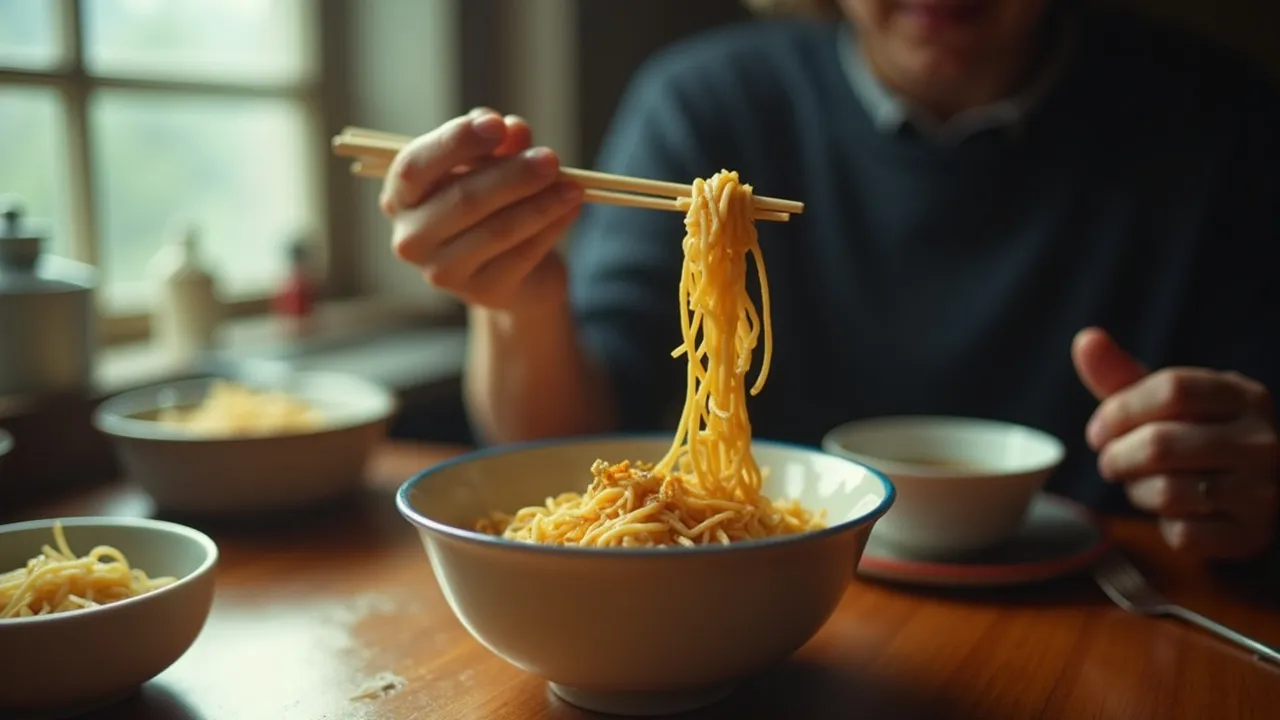
National Chopsticks Day is celebrated on February 6th, honoring the ancient utensil and its cultural significance. Explore the history, etiquette, and global influence of chopsticks.
The Historical Origins & Evolutionary Journey
National Chopsticks Day, observed on February 6th, pays homage to one of the world's most ancient and enduring eating utensils. The day was inaugurated by the National Day Calendar in 2012 to celebrate the cultural heritage and practical ingenuity of chopsticks. This section delves into the deep historical roots of chopsticks, tracing their evolution from primitive tools to modern-day symbols of culinary tradition.
The Foundational Catalyst: Ancient China
The earliest evidence of chopsticks dates back to the Shang Dynasty (circa 1600–1046 BCE) in China. Initially used as cooking implements to stir fires and handle hot pots, they gradually transitioned to eating utensils by the Han Dynasty (206 BCE–220 CE). Archaeological findings from the ruins of Yinxu (the capital of the Shang Dynasty) have revealed bronze chopsticks, indicating their use in ritual feasts. This shift from cooking to eating was driven by the need to conserve fuel—chopping food into small pieces allowed for faster cooking, and chopsticks proved ideal for picking up these bite-sized morsels.
The Legislative/Official Adoption: Spread Across Asia
By the Tang Dynasty (618–907 CE), chopsticks had become a staple across all social classes in China. Their use spread to neighboring countries through trade and cultural exchange. In Japan, chopsticks (hashi) arrived via Korea, initially used for religious ceremonies before becoming everyday utensils. The Japanese developed distinct styles, including tapered tips for precision and lacquered finishes. In Korea, metal chopsticks (jeotgarak) emerged, often paired with a spoon. Vietnam also adopted chopsticks, using flat, long versions called đũa. Each region adapted the utensil to local cuisine and customs, solidifying its cultural significance.
Modern Global Legacy
Today, chopsticks are used by over 1.5 billion people worldwide. The introduction of chopsticks to the West occurred primarily through Asian diaspora communities and the globalization of Asian cuisine. In the 20th century, disposable wooden chopsticks (waribashi) became ubiquitous, while reusable options in plastic, metal, and bamboo proliferated. National Chopsticks Day serves as a reminder of the utensil's ecological footprint—disposable chopsticks contribute to deforestation, prompting movements toward sustainable alternatives. The day also celebrates chopsticks as a bridge between cultures, fostering appreciation for the artistry and etiquette behind their use.
How to Celebrate National Chopsticks Day
National Chopsticks Day on February 6th offers a perfect opportunity to engage with this iconic utensil. Whether you are a novice or an expert, there are countless ways to celebrate. Below are actionable ideas for individuals, schools, and organizations.
For Individuals and Families
- Practice with chopsticks: If you are new to chopsticks, spend the day practicing picking up small objects like grapes or peas. Use online tutorials to perfect your grip.
- Cook an authentic Asian meal: Prepare dishes like stir-fried noodles, sushi, or dumplings that require chopsticks. Invite friends or family for a chopsticks-only dinner.
- Explore cultural etiquette: Research chopstick manners from different countries (e.g., do not stick chopsticks upright in rice in Japan—it resembles incense at funerals). Share these facts on social media.
For Schools and Educational Institutions
- Host a chopstick challenge: Organize a competition where students race to transfer items using chopsticks. Use different materials (wood, bamboo, plastic) to explore texture and grip.
- Cultural display: Set up a museum-like exhibit showing various types of chopsticks from different eras and regions. Include interpretive signs about their history.
- DIY chopsticks craft: Have students create their own chopsticks from bamboo or recycled materials, then use them for a snack.
For Organizations and Restaurants
- Offer chopsticks tutorials: Restaurants can provide complimentary chopsticks lessons or offer a discount to customers who successfully use them throughout the meal.
- Sustainable swap: Encourage diners to bring reusable chopsticks by offering a small discount. Pledge to eliminate single-use disposable chopsticks for the day.
- Social media campaign: Use hashtags like #NationalChopsticksDay and #ChopstickChallenge to share photos and videos. Highlight creative ways people incorporate chopsticks into their daily lives.
Chopstick Etiquette: A Cultural Compass
Understanding chopstick etiquette is essential for showing respect in many Asian cultures. Improper use can be considered rude or even taboo. This section outlines key rules across China, Japan, Korea, and Vietnam.
China
- Do not point with chopsticks: Pointing at someone with chopsticks is seen as aggressive.
- Do not spear food: Chopsticks are for picking up, not stabbing. Spearing is associated with funerary rites.
- Do not hover: Hovering over dishes without selecting food is seen as indecisive.
Japan
- Avoid passing food chopstick-to-chopstick: This mimics a Buddhist funeral ritual where bones are passed after cremation.
- Do not lick chopsticks: Licking is considered unhygienic and disrespectful.
- Use chopstick rests: When not eating, place chopsticks on a rest (hashioki) to keep them clean.
Korea
- Use spoon for soup, chopsticks for solids: Unlike in other cultures, Koreans use a spoon for rice and soup, while chopsticks handle side dishes.
- Do not make noise: Avoid clinking chopsticks against the bowl or tapping them.
- Wait for elders: Do not begin eating until the eldest person at the table picks up their chopsticks.
Vietnam
- Hold chopsticks near the top: Holding them too low is considered unrefined.
- Do not poke: Poking into dishes is seen as disruptive.
- Use two hands: When passing a bowl, use both hands as a sign of respect.
Health Benefits and Environmental Impact
Chopsticks offer surprising health benefits and environmental challenges. On National Chopsticks Day, it is important to consider both aspects.
Health Benefits
Using chopsticks requires fine motor skills and hand-eye coordination. This can improve dexterity and even enhance brain function—similar to playing a musical instrument. Studies show that chopsticks promote slower eating, which aids digestion and portion control. Additionally, chopsticks reduce the amount of oil and sauce consumed compared to forks, as they pick up smaller amounts of food. For individuals with arthritis, ergonomic chopsticks with finger rests are available to reduce strain.
Environmental Impact
The widespread use of disposable wooden chopsticks has significant environmental consequences. According to the World Wildlife Fund, China alone uses over 80 billion pairs annually, contributing to deforestation and carbon emissions. Many are made from fast-growing trees like bamboo or poplar, but the sheer volume is unsustainable. Alternatives include reusable chopsticks made from stainless steel, titanium, or recycled plastic. Some companies produce compostable chopsticks from wheat straw or recycled paper. On National Chopsticks Day, consumers are encouraged to switch to reusable chopsticks or bring their own when ordering takeout.
Types of Chopsticks and Materials
Chopsticks come in a dazzling variety of shapes, sizes, and materials, each tailored to specific cuisines and preferences. Below is a comprehensive guide.
By Material
Bamboo and Wood: Most common in China and Japan. Cheap, lightweight, and disposable. Reusable bamboo chopsticks are also popular.
Metal: Primarily used in Korea (stainless steel). Durable, easy to clean, and often have a flat design.
Plastic: Widely used in fast-food settings. Lightweight but may not withstand heat.
Ivory and Jade: Historically used by Chinese nobility. Rare and expensive due to ethical concerns.
Recycled Materials: Emerging trend includes chopsticks made from recycled paper, coffee grounds, or even ocean plastic.
By Shape and Length
Chinese chopsticks: Longer (about 25–27 cm), with a blunt, square shape. Often lacquered or decorated.
Japanese chopsticks: Shorter and more tapered (about 23–25 cm), often with a pointed end. Lacquered designs are common.
Korean chopsticks: Flat and rectangular, made of metal. Shorter than Chinese chopsticks.
Vietnamese chopsticks: Long and flat, often made of bamboo or wood.
Global Adoption and Innovations
Chopsticks have transcended their Asian origins to become a global phenomenon. From Western fine dining to space travel, their versatility continues to inspire innovations.
Chopsticks in Western Cuisine
In recent decades, Western chefs have incorporated chopsticks for serving dishes like salads, fries, and even desserts. Chopstick-friendly fusion cuisine, such as sushi burritos and poke bowls, has popularized the utensil among non-Asian populations. Some high-end restaurants now provide chopsticks as an alternative to forks, allowing diners to experience food in a new way.
Technological Innovations
Inventors have developed smart chopsticks that can detect temperature, acidity, and saltiness—helping users monitor their health. For example, a Chinese startup created chopsticks with sensors connected to a smartphone app to analyze food quality. In Japan, chopsticks with built-in fans cool down hot food. For people with disabilities, adaptive chopsticks with loops or springs make eating easier.
Chopsticks in Space
Astronauts from China and other nations have used modified chopsticks in microgravity. Velcro strips or magnets attach to the food container to prevent floating. This innovation showcases chopsticks' adaptability beyond Earth.
Chopsticks in Art and Symbolism
Beyond functionality, chopsticks hold deep symbolic meaning in art, rituals, and philosophy.
Symbolic Meanings
In Chinese culture, chopsticks represent harmony and balance—the two sticks working together. They are often given as wedding gifts, symbolizing the wish for a harmonious marriage. In Japan, chopsticks are offered to deities in Shinto ceremonies. The act of transferring bones with chopsticks during funeral rites underscores their spiritual role.
Chopsticks in Literature and Film
Chopsticks appear in countless works of art. In the classic Chinese story "The Legend of the White Snake," a magical pair of chopsticks is used to defeat demons. In Western pop culture, the "Chopsticks" piano tune by Euphemia Allen is a recognizable melody. Films like "The Joy Luck Club" and "Memoirs of a Geisha" feature chopsticks as cultural markers.
World Records and Festivals
National Chopsticks Day is also a time for fun records. The world record for most items picked up with chopsticks in one minute is 49 marbles (by Thomas Saville in 2020). Some cities host chopstick festivals with competitions and cultural performances.
Historical Timeline
Earliest known use of chopsticks in China during the Shang Dynasty. Bronze chopsticks found at Yinxu used for cooking and serving.
Han Dynasty: chopsticks transition from cooking tools to eating utensils, aided by the practice of cutting food into small pieces.
Tang Dynasty: chopsticks become widespread across all social classes in China; spread to Japan and Korea via Buddhist monks and trade.
Japan: chopsticks (hashi) become common, with distinct styles like lacquered wa-gashi and ceremonial versions.
Korea: adoption of metal chopsticks, initially used by royalty to prevent poisoning detection; later spreads to commoners.
First recorded use of chopsticks in the United States: Chinese immigrants in California use them in Chinatowns.
Mass production of disposable wooden chopsticks (waribashi) begins in Japan and later China.
National Chopsticks Day is first celebrated on February 6th, created by National Day Calendar to honor the utensil's cultural significance.
China launches a campaign to reduce disposable chopstick use, encouraging reusable alternatives to combat deforestation.
Global market for chopsticks estimated at $2.5 billion, with increasing demand for eco-friendly materials.