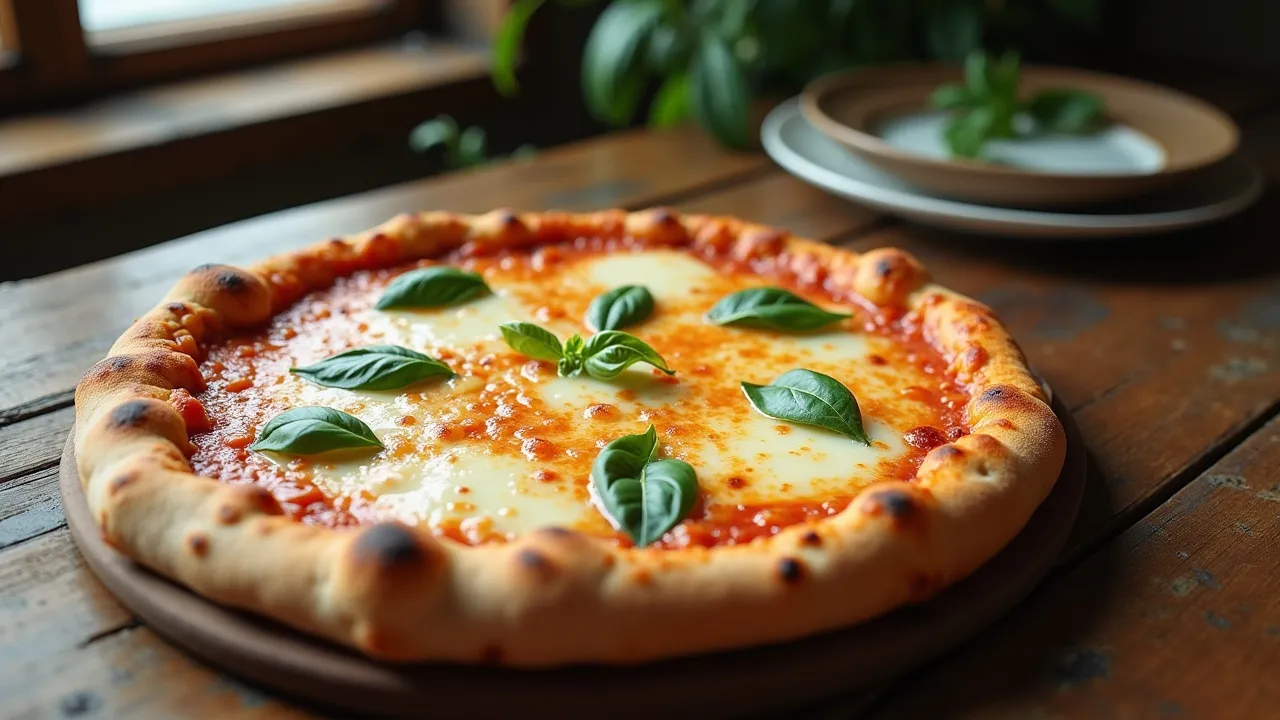
National Cheese Pizza Day, observed on September 5th, celebrates the simplicity and universal appeal of cheese pizza. This day pays homage to the classic combination of mozzarella cheese on a tomato sauce base, a beloved comfort food worldwide.
The Historical Origins & Evolutionary Journey
National Cheese Pizza Day, celebrated annually on September 5th, pays homage to one of the world's most beloved and iconic comfort foods: cheese pizza. This day recognizes the simple yet perfect combination of a crisp crust, tangy tomato sauce, and a blanket of melted mozzarella cheese. While the exact origins of National Cheese Pizza Day are unclear, it is believed to have been informally established by pizza enthusiasts and industry groups in the early 2000s, with September 5th chosen as a date that falls conveniently before the start of autumn's harvest season and sports events, promoting gathering and indulgence.
The Ancient and Italian Roots of Cheese Pizza
The history of cheese pizza begins thousands of years before the modern holiday. Ancient civilizations such as the Greeks and Romans ate flatbreads topped with oils and herbs. However, the critical step was the addition of cheese. In Naples, Italy, during the 18th and 19th centuries, the poor often topped their flatbreads with lard, tomatoes, and occasionally cheese. The breakthrough came in 1889 when chef Raffaele Esposito created the Margherita pizza for Queen Margherita of Italy, using mozzarella cheese, tomatoes, and basil to mimic the colors of the Italian flag. This is widely considered the first cheese pizza as we know it.
The Spread to America and Global Popularity
Italian immigrants brought pizza to the United States in the late 19th century, with the first pizzeria, Lombardi's, opening in New York City in 1905. For decades, pizza remained a niche ethnic food. After World War II, returning GIs who had tasted pizza in Italy created a booming demand. Pizza parlors began appearing across the country, and cheese pizza became a staple. The rise of chains like Domino's and Pizza Hut in the 1960s and 1970s made it accessible nationwide. By the 1990s, cheese pizza had become the most ordered type, accounting for over 50% of pizza sales in the US. National Cheese Pizza Day likely emerged in this context, as companies and food lovers sought a day to celebrate this universal favorite.
Modern Global Legacy
Today, cheese pizza is truly global. While the classic Margherita remains a benchmark, each country has its variations. In Japan, cheese pizza may include Mayo Jaga (mayonnaise and potato); in Brazil, it often features Catupiry cheese; and in India, paneer is used. National Cheese Pizza Day encourages people not only to enjoy the classic version but also to explore these diverse interpretations. The day is marked by special promotions from pizza chains, home cooking challenges, and social media campaigns. It has grown into a significant marketing event, with companies offering discounts, limited-time pizzas, and engaging social media content. Ultimately, National Cheese Pizza Day serves as a joyful reminder of the unifying power of a simple, cheesy slice of pizza.
How to Celebrate National Cheese Pizza Day
National Cheese Pizza Day on September 5th is the ideal occasion to indulge in your favorite cheesy creation. Whether you prefer a classic Margherita or a gourmet twist, there are countless ways to celebrate. Here are some of the best strategies for individuals, families, schools, and organizations.
Top Ways to Celebrate Personally
- Order from a Local Pizzeria: Support small businesses by ordering a cheese pizza from your neighborhood pizzeria. Many offer special deals on this day, such as a free topping or a discount on large pizzas.
- Bake a Homemade Pizza: Making pizza from scratch can be a fun activity. Use a store-bought dough or make your own, spread a quality tomato sauce, add shredded mozzarella, and bake until golden. Experiment with different cheeses like provolone, parmesan, or gouda.
- Host a Pizza Party: Invite friends and family to a cheese pizza tasting. Prepare or order several styles: thin-crust New York, deep-dish Chicago, Neapolitan, or Sicilian. Compare crusts, tanginess of sauce, and cheese melt quality.
- Try a Global Variation: Step out of your comfort zone and make a pizza inspired by another culture. For example, a Lebanese manakish with cheese and za'atar, or a French-style pizza with fromage blanc and herbs.
- Share Your Celebration on Social Media: Use the hashtag #NationalCheesePizzaDay to post photos of your pizza, vote for your favorite, and connect with fellow lovers. Many brands run contests on this day.
For Schools and Educational Institutions
- Organize a cheese pizza lunch or fundraiser, with proceeds going to a school cause.
- Hold a cooking class where students learn to make pizza dough and sauce, teaching math and science through cooking.
- Host a geography lesson on the global origins of pizza and the different types of cheese used around the world.
Corporate and Community Rituals
Businesses often use this day for team-building. Pizza parties in the breakroom boost morale. Some companies organize pizza-making competitions. Nonprofits may hold pizza-themed charity events. The key is to share the experience of enjoying a beloved food together.
Simple Homemade Cheese Pizza Recipe
Ingredients: 2 cups all-purpose flour, 1 packet active dry yeast, 1 teaspoon sugar, 2/3 cup warm water, 1 tablespoon olive oil, 1 teaspoon salt, 1/2 cup tomato sauce, 2 cups shredded mozzarella, fresh basil (optional). Instructions: 1. Dissolve yeast and sugar in warm water, let stand 5 minutes. 2. Mix flour and salt, add yeast mixture and olive oil, knead for 8 minutes. 3. Let dough rise in a greased bowl for 1 hour. 4. Preheat oven to 475°F. 5. Roll dough into a circle, place on a pizza stone or baking sheet. 6. Spread tomato sauce, top with cheese. 7. Bake for 12-15 minutes until crust golden and cheese bubbly. 8. Garnish with basil. This simple recipe yields a classic cheese pizza that can be customized.
Global Variations and Adaptations
Global Variations of Cheese Pizza
While the classic American cheese pizza with mozzarella is nearly universal, many countries have developed unique interpretations that reflect local tastes and ingredients.
- Italy: The Margherita is the gold standard, with fresh buffalo mozzarella, San Marzano tomatoes, and basil. Variations include the Margherita DOP with protected designation of origin ingredients.
- Japan: Japanese cheese pizza often includes toppings like mayonnaise, corn, and ebi-fry (shrimp). It may also feature a soy sauce-based sauce or be topped with mentaiko (spicy cod roe).
- Brazil: Brazilian pizza is heavily influenced by Italian immigrants but features cheeses like catupiry and cream cheese. Popular toppings include chicken with catupiry.
- India: Since many Indians are vegetarian and avoid certain cheeses, paneer (Indian cottage cheese) is a common substitute. Pizza may be flavored with tandoori spices. The popular Domino's in India offers a Paneer Pizza.
- Australia: Aussie pizza often includes pineapple and ham (Hawaiian), but the classic cheese pizza is usually simple. However, a popular variation is the BBQ chicken pizza with cheese.
- France: The pissaladière is a Provencal flatbread with caramelized onions, olives, and anchovies, but no cheese. However, modern French pizzas often use cheeses like emmental or goat cheese.
- Sweden: Swedish pizza is known for its variety, including the 'kebabpizza' with kebab meat and feta cheese. The cheese pizza here often uses mozzarella mixed with other cheeses.
- Middle East: Manakish (or manouche) is a Lebanese flatbread topped with cheese like akkawi or mozzarella, often with za'atar. It is a breakfast staple.
National Cheese Pizza Day is a great opportunity to explore these global delights. Try making a pizza from a different country each year!
Health and Nutritional Considerations
Health and Nutritional Aspects of Cheese Pizza
Cheese pizza, while delicious, should be consumed in moderation as part of a balanced diet. A typical slice (1/8 of a 14-inch pizza) contains approximately 285 calories, 10 grams of protein, 36 grams of carbohydrates, and 10 grams of fat, including 5 grams of saturated fat. The cheese content provides calcium, vitamin A, and some B vitamins, while the tomato sauce offers lycopene, an antioxidant. However, sodium levels can be high, often exceeding 500 mg per slice. Whole-wheat crust and reduced-fat cheese can lower the calorie count. For those with lactose intolerance, lactose-free mozzarella or vegan cheese alternatives (like cashew cheese or soy mozzarella) are available. Portion control is key. On National Cheese Pizza Day, consider sharing a pizza rather than eating a whole one. Pairing with a salad or vegetables can balance the meal. Many pizzerias now offer gluten-free crusts for those with celiac disease. Ultimately, the joy of cheese pizza on its celebration day is best enjoyed mindfully.
Economic and Cultural Significance
Economic Impact of National Cheese Pizza Day
The pizza industry in the United States generates over $45 billion in annual sales, and cheese pizza accounts for a significant portion. National Cheese Pizza Day serves as a sales booster for pizzerias, with many reporting a 20-30% increase in orders compared to other days. Chains like Domino's, Pizza Hut, and Papa John's offer exclusive coupons and loyalty points. Independent pizzerias also benefit from increased foot traffic and online orders. Beyond direct sales, the day stimulates the supply chain: cheese orders spike, pepperoni producers see less demand on this day (since it's cheese only), and even delivery services hire extra drivers. Culturally, cheese pizza is a shared experience, from office parties to college dorms. It symbolizes comfort, affordability, and togetherness. The holiday also sparks conversations about food origins, sustainability, and local ingredients. Social media engagement peaks, with millions of posts using the hashtag #NationalCheesePizzaDay, generating free buzz for the entire pizza industry.
Cultural Symbolism
Cheese pizza has transcended its culinary role to become a cultural icon. It appears in movies, TV shows, and music. Think of the Teenage Mutant Ninja Turtles' obsession, the pizza scene in 'Home Alone', or the ubiquitous pizza party in school films. It is a food that bridges generations and socioeconomic groups. National Cheese Pizza Day reinforces this role, encouraging people to pause and appreciate a simple joy.
Cheese Pizza in Media and Pop Culture
Cheese Pizza in Media and Pop Culture
No food has as many pop culture references as pizza, especially cheese pizza. In film, the sight of a gooey slice is often used to convey comfort or America. The Teenage Mutant Ninja Turtles popularized pizza with their catchphrase 'Cowabunga!' and constant pizza cravings. In comedy, scenes like the pizza delivery in 'Home Alone' or the pizza debate in 'Inside Out' are memorable. Television shows from 'The Simpsons' to 'Stranger Things' feature pizza as a staple of gatherings. Musically, songs like 'Pizza' by Martin Garrix and 'Pizza Girl' by the Jonas Brothers reference the dish. Social media is full of 'pizza pulls'—videos showing the stretchy cheese—which are among the most engaging food content. On National Cheese Pizza Day, many influencers create content celebrating the day, from recipe videos to nostalgic throwbacks. The day is also used by streamers and gamers to host pizza-eating contests. In summary, cheese pizza is not just food; it's a part of our cultural fabric.
Historical Timeline
Chef Raffaele Esposito creates the Margherita pizza for Queen Margherita, featuring mozzarella cheese—the first documented cheese pizza.
Gennaro Lombardi opens the first pizzeria in the United States in New York City, serving classic cheese pizzas.
Pizza Hut is founded in Wichita, Kansas, popularizing cheese pizza nationwide.
The first informal celebrations of National Cheese Pizza Day emerge, though the exact originator is unknown.
Social media platforms like Facebook and Twitter help spread the awareness of National Cheese Pizza Day, leading to widespread recognition.
During the COVID-19 pandemic, National Cheese Pizza Day is celebrated with virtual pizza parties and increased delivery sales, highlighting the comfort food's role in challenging times.