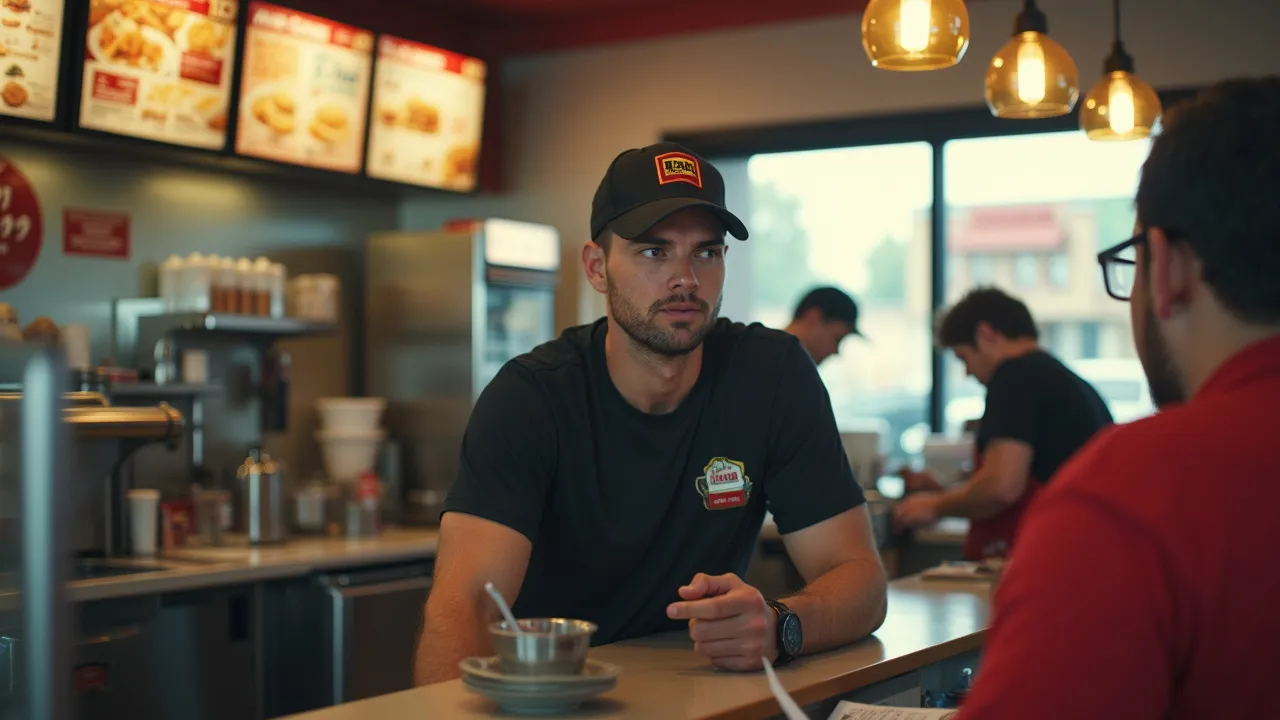
Franchise Appreciation Day, observed on the first Saturday of September, honors the entrepreneurial spirit and economic impact of franchising, celebrating both franchisees and franchisors who drive innovation and local community growth.
The Historical Origins & Evolutionary Journey
Franchise Appreciation Day was established by the International Franchise Association (IFA) in 1994 to recognize the vital role franchising plays in the global economy. The day falls on the first Saturday of September, chosen to align with the back-to-school season and the start of autumn business planning.
The Foundational Catalyst
Modern franchising traces its roots to the 1950s with pioneers like Ray Kroc (McDonald's) and Harland Sanders (KFC). These visionaries created a model where local entrepreneurs could operate under a proven brand, reducing startup risk. By the 1990s, franchising had exploded into thousands of brands across dozens of industries, from fast food to home services. The IFA recognized the need for a dedicated day to honor the symbiotic relationship between franchisors and franchisees.
The Legislative/Official Adoption
In 1994, the IFA officially launched Franchise Appreciation Day through a national campaign. The day was promoted via local events, media outreach, and franchisee gatherings. Over time, it gained traction as an unofficial national observance in the United States, with many states issuing proclamations. The IFA continues to spearhead celebrations, often linking them to advocacy efforts for pro-franchise policies.
Modern Global Legacy
Today, Franchise Appreciation Day is recognized in over 30 countries, though traditions vary. In the United States, franchise owners host open houses, while in Australia and the UK, trade associations run social media campaigns. The day has evolved to include educational webinars, awards ceremonies, and fundraising for small business mentorship programs. Its legacy is a testament to the resilience and innovation inherent in the franchise model.
How to Celebrate Franchise Appreciation Day
Franchise Appreciation Day offers countless ways to honor the franchise community. Below are actionable strategies for individuals, schools, and organizations around the world.
For Individuals
- Support a local franchise: Dine at a franchise restaurant, use a franchise service provider, or purchase a gift card from a franchise outlet.
- Share your story: Post on social media using #FranchiseAppreciationDay, tagging your favorite franchise and explaining why you love it.
- Write a review: Leave a positive review for a franchise you frequent, spotlighting the franchisee's community involvement.
For Schools and Universities
- Host a franchise career fair: Invite local franchise owners to speak about entrepreneurship.
- Organize a case competition: Analyze a successful franchise model with students.
- Create a day of service: Volunteer at a franchise that gives back, like a fast-food chain sponsoring local sports.
For Organizations and Franchise Networks
- Employee appreciation events: Celebrate staff with thank-you notes, bonuses, or team outings.
- Community outreach: Partner with a franchise to donate a portion of the day's sales to a local charity.
- Webinars and training: Host sessions on best practices for franchise success.
Across cultures, the core theme is gratitude. In Japan, franchisors often send gifts to franchisees. In Brazil, franchise associations hold public symposiums. No matter the region, the day strengthens the bonds that power the franchise ecosystem.
The Economic Impact of Franchising Worldwide
Franchising is a cornerstone of the global economy, contributing over $2 trillion annually to the United States alone. The IFA reports that franchises employ more than 8 million Americans, with similar proportional impacts in Canada, Europe, and Asia.
Job Creation and Local Growth
Franchise businesses are local by nature, owned by community members who hire neighbors. This creates a multiplier effect: each franchise unit generates an average of 15-20 direct jobs plus several indirect jobs through supply chains. In Australia, franchising accounts for 14% of GDP, while in the UK it supports 700,000 jobs.
Innovation and Competition
Franchises drive innovation by standardizing best practices and investing in research and development. The competitive pressure among brands leads to better customer experiences and continuous improvement. For example, the quick-service restaurant sector constantly evolves menu items and technology, benefiting consumers everywhere.
Tax Revenue and Infrastructure
Franchises contribute substantial tax revenues at all government levels. The presence of national chains often attracts other businesses, spurring commercial real estate development and infrastructure improvements. This economic engine makes Franchise Appreciation Day a reminder of the importance of pro-business policies.
Key Franchise Industries and Emerging Trends
Franchising spans virtually every industry, but some sectors dominate. Understanding these categories helps contextualize the day's celebration.
Fast Food and Quick Service
This sector remains the largest franchise segment, with brands like McDonald's, Subway, and KFC having thousands of units worldwide. They pioneered the franchise model and continue to adapt through digital ordering and plant-based offerings.
Home Services and Maintenance
From plumbing to landscaping, home service franchises are booming as homeowners seek reliable providers. Brands like ServiceMaster and Mr. Rooter use franchise networks to ensure consistent quality.
Health and Fitness
Gyms like Anytime Fitness and yoga studios have expanded globally via franchising, meeting demand for wellness services. Post-pandemic, this sector has seen accelerated growth.
Emerging Trends
- Technology integration: AI-driven analytics for site selection, mobile apps for customer loyalty.
- Multi-unit franchising: Owners operate multiple locations, becoming regional powerhouses.
- Sustainability: Eco-friendly practices, such as energy-efficient equipment and waste reduction.
- Co-working franchises: Brands like WeWork (though not pure franchise) show the potential.
The Role of Franchisees in Building Communities
Franchisees are more than business operators; they are local leaders who invest in their neighborhoods. Franchise Appreciation Day highlights these contributions.
Local Employment and Training
Franchisees hire from within the community, providing first jobs and career paths for youth. Many offer skills training that transfers to other industries, reducing unemployment and building a skilled workforce.
Philanthropy and Sponsorship
Franchise units frequently sponsor youth sports teams, donate to schools, and participate in charity runs. For example, McDonald's franchisees support Ronald McDonald House Charities, while Subway franchisees fund literacy programs.
Civic Engagement
Many franchisees serve on local boards, chambers of commerce, and city councils. Their success story inspires other entrepreneurs, fostering a culture of ownership and self-reliance. On Franchise Appreciation Day, communities are encouraged to recognize these local heroes.
Challenges and the Future of Franchising
Despite its strengths, the franchise model faces challenges that the industry must address to ensure future vitality.
Regulatory Hurdles
Franchisors and franchisees navigate a complex web of laws, including disclosure requirements and labor regulations. The balance between brand control and local autonomy is a constant negotiation.
Economic Disruptions
Recessions and pandemics test franchise systems. Many brands adapted through delivery and curbside pickup, but smaller franchisees struggled. The IFA advocates for relief programs and flexible royalty structures.
Technological Disruption
Automation threatens traditional roles. Self-service kiosks and autonomous delivery vehicles could reduce labor needs, requiring franchisees to upskill and innovate. Adapting to e-commerce and omnichannel strategies is essential.
The future of franchising lies in agility. Brands that embrace change while preserving the core value of local entrepreneurship will thrive. Franchise Appreciation Day serves as a call to action for continuous improvement.
Comparative Analysis: Franchise vs. Independent Business
Prospective business owners often choose between franchising and starting from scratch. Franchise Appreciation Day highlights the advantages of the franchise route.
Advantages of Franchising
- Brand recognition: Established trademarks and customer trust.
- Training and support: Comprehensive initial and ongoing guidance.
- Bulk purchasing: Lower costs through supply chain integration.
- Higher success rate: Franchises fail less often than independents.
Disadvantages of Franchising
- Fees and royalties: Ongoing payments reduce profit margins.
- Less creative freedom: Strict operational guidelines.
- Contract restrictions: Limited ability to sell or modify the business.
Independent businesses offer flexibility but higher risk. The franchise model provides a proven blueprint, making it accessible to first-time entrepreneurs. On this day, we celebrate both paths, but especially the collaborative spirit of franchising.
Historical Timeline
Ray Kroc opens the first McDonald's franchise in Des Plaines, Illinois, pioneering the modern fast-food franchise system.
The International Franchise Association (IFA) is founded to advocate for ethical franchising practices.
The IFA establishes Franchise Appreciation Day on the first Saturday in September to honor the franchise community.
Global franchise revenue in the U.S. exceeds $1 trillion for the first time.
Social media campaigns for Franchise Appreciation Day begin, expanding its reach worldwide.
The COVID-19 pandemic tests franchise resilience; many brands pivot to digital and contactless service.
Franchise Appreciation Day celebrates its 30th anniversary with record participation across 40+ countries.