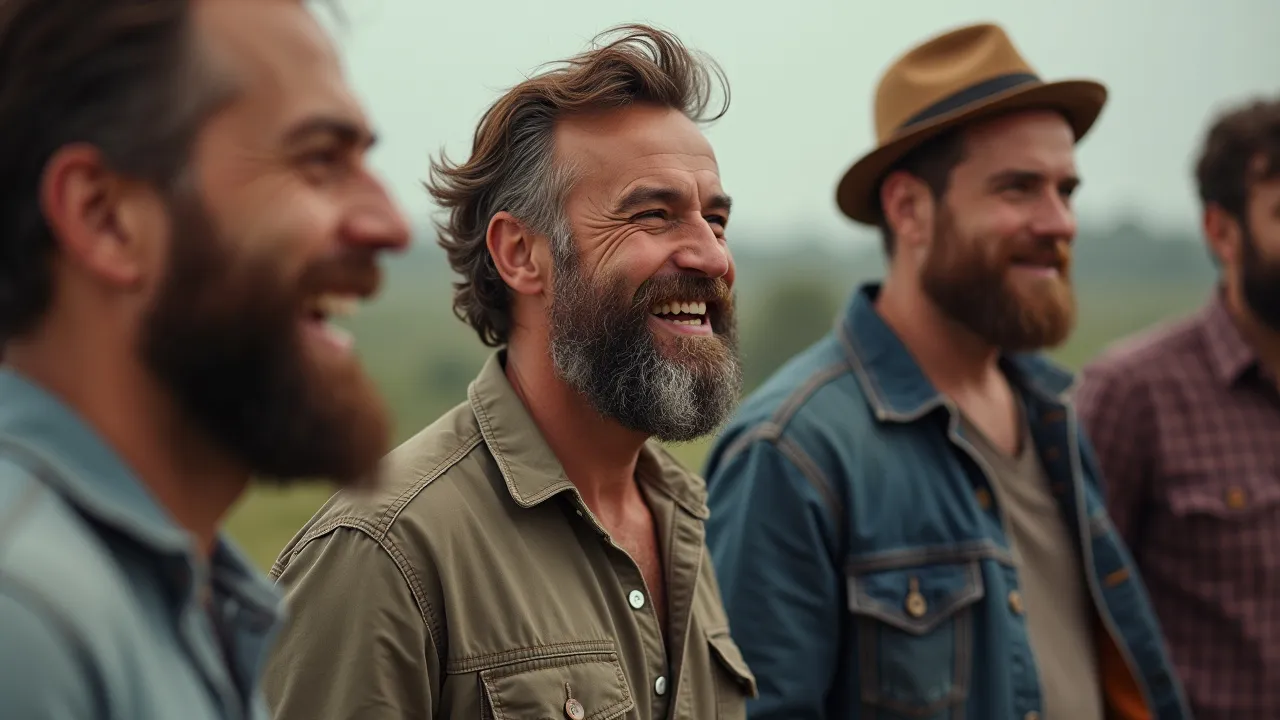
World Beard Day, observed on the first Saturday of September, celebrates facial hair and the global beard community. It features competitions, charity events, and camaraderie among beard enthusiasts.
The Historical Origins & Evolutionary Journey
World Beard Day is a relatively modern observance, first celebrated in 2014 through online campaigns and social media. Its exact catalyst was a desire to create a global day dedicated to appreciating facial hair, fostering community among beard growers, and promoting beard-related causes.
The Foundational Catalyst
The idea emerged from online beard enthusiast forums and Facebook groups, where members proposed a coordinated day to celebrate beards. Within weeks, the concept went viral, leading to the first informal celebrations on the first Saturday of September 2014. The date was chosen to avoid conflicts with other major holidays and to coincide with the end of summer, when many men have let their beards grow freely on vacation.
The Official Adoption
Although never officially recognized by governments, World Beard Day gained traction through grassroots support. Beard clubs, barbershops, and grooming brands began hosting events. By 2016, several cities held formal beard competitions, with proceeds often donated to men's health charities. The day became a fixture in the calendar of beard aficionados worldwide.
Modern Global Legacy
Today, World Beard Day is celebrated on every continent. It has evolved from a simple social media trend into a cultural phenomenon, with events ranging from beard-growing contests and grooming workshops to charity runs and pub crawls. The day also highlights the diversity of beard styles across cultures, from the full Viking beard to the elegant Imperial mustache. Social media hashtags like #WorldBeardDay generate millions of impressions annually, uniting beard lovers across borders.
How to Celebrate World Beard Day
Celebrating World Beard Day is about embracing facial hair and joining the global community. Here are actionable strategies for individuals, schools, and organizations, broken down by tradition and location.
Individual Celebrations
- Grow or groom your beard: If you don't have one, start growing. If you do, treat it to a professional trim or special oil.
- Share on social media: Post a selfie with the hashtag #WorldBeardDay and tag friends.
- Attend a local event: Many cities host beard competitions, meetups, or pub nights. Check Facebook events.
School & Work Celebrations
- Beard contest: Organize a friendly competition with categories like Best Full Beard, Best Mustache, or Most Creative Design.
- Charity drive: Use the day to raise funds for men's health issues (e.g., prostate cancer or mental health). For example, charge a small fee to enter the beard contest and donate proceeds.
- Educational display: Create a bulletin board about the history of beards in different cultures.
Global Traditions by Region
- United States: Beard clubs often host large competitions with prizes, live music, and beer. Some cities hold "Beard and Mustache Championships".
- United Kingdom: Pub gatherings with beard-themed quizzes and charity raffles are popular. Also, many barbers offer free beard trims.
- Germany: Known for “Barttag” (Beard Day), where traditional Bavarian clubs parade with elaborate facial hair styles.
- Australia: Beachside barbecues where men show off their “sun-bleached” beards; often combined with a charity surf event.
No matter how you choose to celebrate, the key is to connect with others and show pride in your beard.
Cultural Significance of Beards Worldwide
Beards carry deep cultural and religious significance across many societies. World Beard Day provides a moment to reflect on this diversity.
Religious Symbolism
In many religions, beards are a sign of piety and wisdom. For example, in Islam, growing a beard is considered Sunnah (a practice of the Prophet Muhammad). Sikhism requires men to keep uncut hair, including beards, as a symbol of respect for God's creation. Orthodox Judaism also forbids shaving with a razor, leading to distinctive beard styles.
Historical Status
In ancient Egypt, pharaohs wore false metal beards as symbols of divinity. Roman soldiers were clean-shaven for discipline, while Greek philosophers wore beards as badges of intellect. During the Renaissance, beards were fashionable among nobility. In the 19th century, Victorian gentlemen often sported elaborate facial hair, reflecting status and masculinity.
Modern Shifts
The 20th century saw a decline, but the 21st century brought a beard renaissance, fueled by hipster culture, men's grooming products, and celebrities like Jason Momoa and David Beckham. Today, beards are embraced in workplaces that previously frowned upon them, signaling a broader acceptance of personal expression.
Health & Grooming Benefits of Beards
Beyond aesthetics, beards offer several health and practical benefits. This section explores the science behind facial hair.
Protection from Elements
Beards shield the face from UV rays (though not completely), cold wind, and airborne allergens. A study found that beards can block up to 95% of UVB rays, reducing the risk of skin cancer beneath them.
Skin Health
Growing a beard reduces friction and irritation from shaving, preventing razor burn and ingrown hairs. However, proper hygiene is crucial to avoid trapping bacteria. Regular washing and conditioning with beard-specific products is recommended.
Grooming Tips
- Oil and balm: Apply beard oil daily to moisturize skin and soften hair. Use balm for styling and adding hold.
- Combing and brushing: Use a wide-tooth comb or boar bristle brush to distribute oils and detangle.
- Trimming: Visit a barber every 4-6 weeks for professional shaping, or use trimmers with guides at home.
World Beard Day is an excellent occasion to learn proper beard care and invest in quality grooming.
Economic Impact of the Beard Industry
The beard culture boom has spawned a multi-billion dollar industry encompassing products, services, and events.
Grooming Products
The global men's grooming market is projected to exceed $100 billion by 2030, with beard care as a major segment. Beard oils, balms, shampoos, and conditioners have become mainstream, sold in specialty shops, pharmacies, and online. Premium brands target discerning customers with organic ingredients.
Barbershops & Competitions
The revival of traditional barbershops has created jobs and community spaces. Beard competitions attract participants and spectators, generating tourism revenue. Major competitions like the World Beard and Mustache Championships draw hundreds of competitors and thousands of attendees.
Social Media & Influencers
Bearded influencers on Instagram and YouTube command large followings, promoting products and lifestyles. Hashtags like #BeardLife and #BeardGang drive engagement. Brands often sponsor events and influencers, fueling the ecosystem.
World Beard Day acts as a marketing milestone for companies to launch new products and run promotions, making it a key date in the grooming calendar.
Famous Beards in History & Pop Culture
World Beard Day celebrates not just personal beards, but those that have left a mark on history and entertainment.
Historical Figures
- Abraham Lincoln: The 16th U.S. President grew his iconic beard after a young girl suggested it would make him look more distinguished.
- Karl Marx: His bushy beard became synonymous with communist ideology.
- Ernest Hemingway: His rugged beard epitomized the masculine adventurer.
Pop Culture Icons
- Santa Claus: The jolly figure with a white beard is arguably the most famous bearded character.
- Gandalf from The Lord of the Rings: His flowing beard symbolizes wisdom and power.
- Jason Momoa: Modern symbol of the full beard, inspiring many to grow their own.
These icons show how a beard can become part of a person's identity and legacy.
Historical Timeline
World Beard Day is first celebrated on the first Saturday of September, initiated by online beard enthusiast communities.
The day gains traction on social media with the hashtag #WorldBeardDay trending in multiple countries.
First organized public beard competitions held in major cities like London, New York, and Berlin, with proceeds going to men's health charities.
World Beard Day is recognized by several grooming brands as an official marketing event, launching dedicated product lines.
Virtual celebrations due to COVID-19 pandemic; online beard contests and live-streamed grooming workshops become popular.
World Beard Day sees record participation, with over 10 million social media posts and events in over 50 countries.