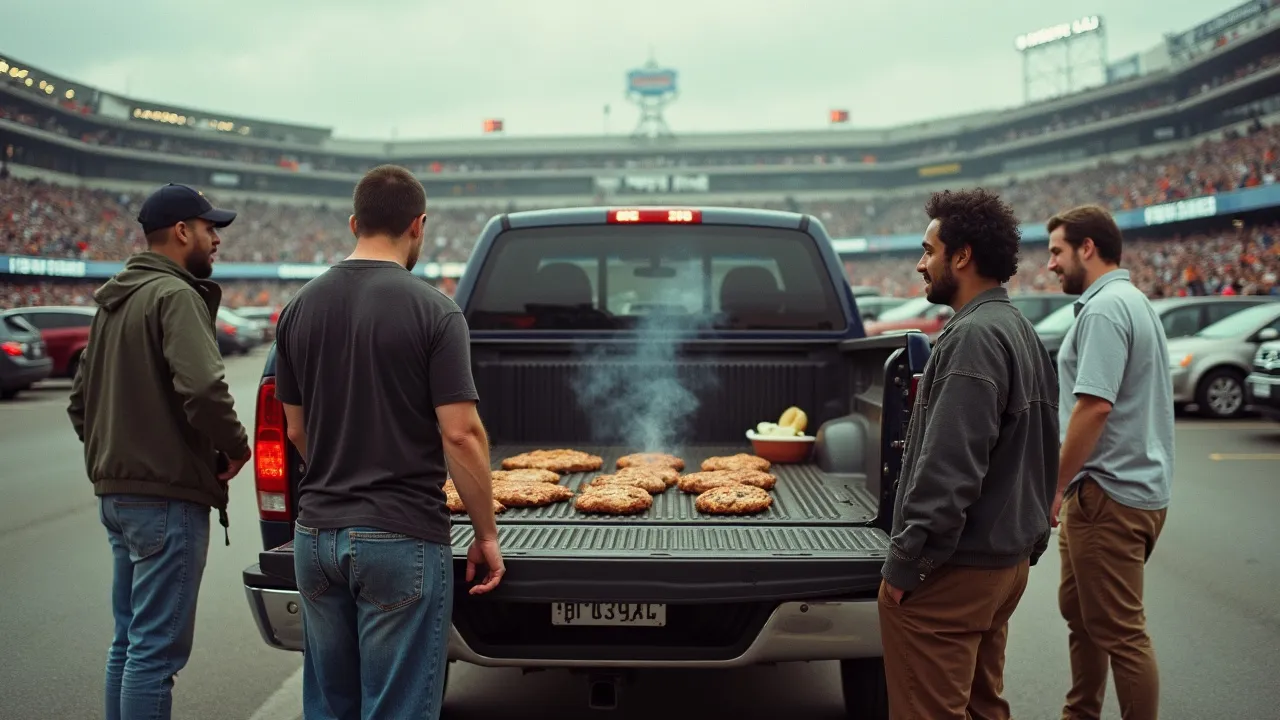
National Tailgating Day, observed on the first Saturday in September, celebrates the cherished pre-game tradition of gathering in parking lots to grill, socialize, and show team spirit. This day honors the communal joy of football season kickoff.
The History and Cultural Roots of Tailgating
National Tailgating Day traces its origins to the uniquely American tradition of pre-game parking lot parties. The concept of tailgating—gathering around the back of a vehicle to eat and drink before a sporting event—is deeply intertwined with the rise of college football in the United States.
The Foundational Catalyst
The earliest recorded instance of tailgating dates back to 1869 at the first college football game between Rutgers and Princeton. Spectators traveled by horse-drawn carriages and brought picnic baskets, effectively creating the first "tailgate" without the vehicle. Over the decades, as automobiles became widespread, the practice evolved into parking lot cookouts with grills, coolers, and team flags.
The Legislative/Official Adoption
While no official legislation created National Tailgating Day, it was informally established by fan communities and media outlets around 2014. The day was chosen as the first Saturday in September to coincide with the kickoff of the NCAA football season, when millions of fans across the country engage in tailgating rituals.
Modern Global Legacy
Though primarily an American custom, tailgating has spread to other countries with American football leagues, as well as to soccer matches in Europe and rugby events in Australia. However, the heart of the tradition remains in the United States, where it represents community, rivalry, and celebration.
How to Celebrate National Tailgating Day: A Comprehensive Guide
Whether you're a seasoned tailgater or a first-timer, National Tailgating Day offers the perfect excuse to host or join a pre-game party. Here are actionable strategies for individuals, groups, and organizations:
Planning the Perfect Tailgate
- Choose Your Location: Many college and professional stadiums allow parking lot gatherings. Arrive early to secure a prime spot.
- Set up your gear: a portable grill, cooler with drinks, folding chairs, and a canopy for shade.
- Prepare crowd-pleasing food: burgers, hot dogs, grilled chicken, and sides like coleslaw or potato salad.
- Bring games: cornhole, ladder toss, or football to keep guests entertained.
- Decorate with team colors: flags, banners, and temporary tattoos show your spirit.
Tailgating Traditions Around the World
- United States: Emphasis on barbecues, beer, and games before NFL and college games.
- Canada: Similar to the US, often at CFL games and NHL outdoor events.
- UK: Tailgating (called "car park parties") is growing at American football and rugby matches.
- Japan: Fans of American football clubs in Japan adopt tailgating with local cuisine.
- Australia: Tailgating occurs at Rugby League and AFL events with barbecues and meat pies.
Corporate and Community Celebrations
Businesses can host company tailgates to boost morale, while non-profits can organize fundraising tailgate events. Schools often hold pre-game events for students and parents to build school spirit.
The Social and Community Impact of Tailgating
Tailgating is more than just a prelude to a game; it fosters social bonds and community identity.
Building Camaraderie
Friends and families gather, strengthening relationships across generations. Strangers become friends over shared team loyalty.Economic Influence
Tailgating generates significant revenue for local businesses, including grocery stores, gas stations, and equipment retailers. The demand for grills, coolers, and team merchandise spikes during football season.
Environmental Considerations
With large gatherings come waste. Many stadiums now promote green tailgating: recycling programs, biodegradable utensils, and carpooling to reduce carbon footprint.
Essential Tailgating Gear and Innovations
Modern tailgating has spawned a multi-billion dollar industry.
Must-Have Equipment
- Portable grills (charcoal, gas, or electric)
- Coolers with ice packs
- Folding chairs and tables
- Canopy tents for weather protection
- Bluetooth speakers for music
Technological Innovations
Products like the tailgate grill with integrated cutting boards, solar-powered phone chargers, and app-controlled temperature probes have revolutionized the experience. Some vehicles now come with factory-built tailgate cooking stations.
Tailgating Etiquette and Safety Tips
Respecting fellow tailgaters and staying safe are crucial.
Etiquette Rules
- Don't encroach on neighbors' spaces.
- Offer food and drinks to guests and passersby.
- Keep music at a reasonable volume.
- Clean up your area after the party.
Safety Precautions
- Designate sober drivers or use rideshares.
- Never leave grills unattended.
- Stay hydrated, especially in hot weather.
- Follow stadium rules regarding glass bottles and open flames.
National Tailgating Day in the Media and Pop Culture
The observance has been promoted by food networks, sports talk shows, and social media influencers.
Media Coverage
ESPN and local news often feature tailgating segments on the first Saturday of September. Cooking shows broadcast tailgate recipes, from slow-cooker chili to grilled wings.Pop Culture References
Movies like Friday Night Lights and TV series such as The League depict tailgating as a central element of sports fandom. The day also inspires user-generated content on Instagram and TikTok, with hashtags like #NationalTailgatingDay trending.
Historical Timeline
The first reported tailgate occurs at the inaugural college football game between Rutgers and Princeton. Fans arrive with picnic baskets, creating the earliest form of the tradition.
As automobiles become common, fans begin tailgating from the backs of cars, coining the term 'tailgate party'.
The rise of professional football and proliferation of station wagons and pickup trucks solidify tailgating as a standard pre-game ritual.
Tailgating becomes more organized with dedicated parking lots and designated tailgating areas at major stadiums.
National Tailgating Day is unofficially established, promoted by media outlets and fan groups, set for the first Saturday in September to coincide with the college football season kickoff.
The COVID-19 pandemic leads to a surge in tailgating as an outdoor social activity, with many fans hosting virtual tailgates or small gatherings.