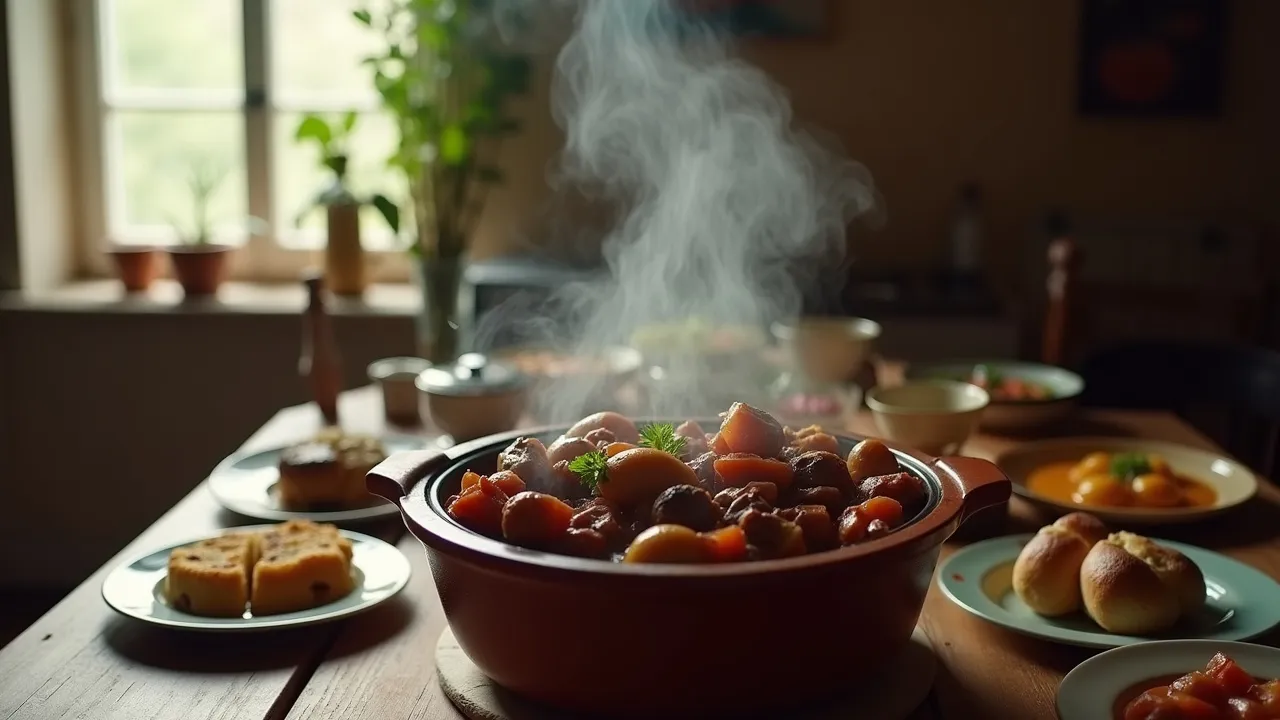
National Cassoulet Day, celebrated annually on January 9th, honors the iconic French slow-cooked casserole of white beans, confit duck, and pork sausages. Originating from the Languedoc region, this day is a tribute to rustic comfort food and culinary tradition.
The Historical Origins & Evolutionary Journey
National Cassoulet Day, observed each year on January 9th, celebrates one of France's most revered peasant dishes. The day's origins are murky, likely emerging in the early 2000s as part of a broader trend of food-focused holidays promoted by culinary organizations and social media. However, the dish itself boasts a rich history dating back to the Middle Ages.
The Foundational Catalyst
Cassoulet's roots lie in the Languedoc region of southern France, particularly the town of Castelnaudary. According to legend, during the Hundred Years' War, the townspeople created a hearty stew from local ingredients to feed soldiers. The dish evolved over centuries, with each town—Castelnaudary, Carcassonne, and Toulouse—developing its own version. The name 'cassoulet' derives from the earthenware pot (cassole) in which it is traditionally cooked.
The Legislative/Official Adoption
While no official government proclamation exists for National Cassoulet Day, it gained traction through food blogs, restaurant promotions, and social media campaigns. In France, the dish is so cherished that the Brotherhood of Cassoulet de Castelnaudary (Confrerie du Cassoulet) was founded in 1976 to preserve its authenticity. Similar guilds exist in Carcassonne and Toulouse, ensuring traditional recipes are passed down.
Modern Global Legacy
Today, National Cassoulet Day is recognized worldwide, especially in the United States, where food enthusiasts celebrate with homemade versions or visits to French bistros. The day has also become a platform for discussing culinary heritage, regionalism, and slow food movements. Chefs reinterpret cassoulet using local ingredients, from duck confit in the Pacific Northwest to lamb merguez in North Africa.
How to Celebrate National Cassoulet Day
Celebrating National Cassoulet Day is about embracing the slow food philosophy and sharing a comforting meal. Here are definitive ways to honor this day, whether you're an individual, a school, or a restaurant:
For Individuals and Families
- Cook an Authentic Cassoulet: Source traditional ingredients like Tarbais beans, duck confit, and Toulouse sausages. Plan for a 3-4 hour slow cook.
- Host a Cassoulet Party: Invite friends for a communal meal. Serve with crusty bread and red wine from Languedoc.
- Explore Regional Variations: Try Cassoulet de Castelnaudary (with pork and ham), de Carcassonne (with lamb), or de Toulouse (with duck confit and local sausage).
For Schools and Educational Groups
- Teach French Culinary History: Use the day to discuss medieval foodways, trade, and agriculture.
- Organize a Potluck: Students can bring versions inspired by their own cultural stews.
For Restaurants and Chefs
- Feature a Daily Special: Offer a cassoulet as the January 9th special, highlighting local produce.
- Collaborate with Guilds: Partner with Confrerie du Cassoulet for authenticity.
Globally, celebrations vary: in France, guilds host tastings; in the US, food bloggers share recipes; in Australia, winter cassoulet feasts are popular.
The Regional Variations of Cassoulet
Cassoulet is not a monolithic dish; three main towns claim authentic versions:
Castelnaudary
Considered the capital of cassoulet, this version uses pork shoulder, ham hock, and sometimes goose confit. The beans are Tarbais, and the top is crusty breadcrumbs.
Carcassonne
Adds lamb and partridge, reflecting the region's game traditions. Often includes tomatoes for a tangier flavor.
Toulouse
Features duck confit and the famous Toulouse sausage (pure pork, coarsely ground). This is the version most popular outside France.
Internationally, adaptions abound: in Quebec, maple-glazed duck; in New Orleans, andouille sausage and crawfish; in vegeterian versions, mushrooms and tempeh replace meats.
The Cultural Significance of Cassoulet in France
Cassoulet is more than food; it's a cultural emblem of the Midi-Pyrenees region. In 1965, French writer Prosper Montagné defined cassoulet with a famous taxonomy: 'God the father is the cassoulet of Castelnaudary, God the son is that of Carcassonne, and the Holy Spirit is that of Toulouse.' The dish symbolizes patience, community, and the terroir.
Ceremonial Guilds
The Confrerie du Cassoulet organizes annual events, including inductions with ceremonial robes and degustations. These guilds protect recipes and promote the dish globally.
Slow Food Movement
Cassoulet is a flagship of the Slow Food movement, emphasizing local, traditional cooking. It was added to the Ark of Taste, a catalog of endangered heritage foods.
Health and Nutritional Aspects of Cassoulet
Cassoulet is a high-calorie, rich dish, but it offers nutritional benefits when consumed in moderation:
- White beans: Excellent source of fiber, protein, and folate.
- Duck confit: Rich in iron and B vitamins, though high in fat.
- Sausages: Provide protein but watch sodium content.
To make a healthier version, reduce salt, use leaner meats, and increase vegetables. Serve with a green salad to balance the meal.
Cassoulet in Modern Gastronomy
Contemporary chefs have reimagined cassoulet for fine dining and fusion cuisine:
Deconstructed Cassoulet
Top restaurants like Le Bernardin have served deconstructed versions, presenting components separately for dramatic effect.
Global Fusions
In Tokyo, miso cassoulet with pork belly; in Mexico, cassoulet with chorizo and chipotle; in India, cassoulet with lamb and garam masala. These fusions respect the original's soul while embracing local flavors.
Cassoulet in Pop Culture
The dish appears in films like The Hundred-Foot Journey and TV shows like Top Chef, cementing its status as a benchmark of culinary skill.
Historical Timeline
Legend of cassoulet's origin during the Hundred Years' War in Castelnaudary. Townspeople combine beans, pork, and herbs to feed soldiers.
First written mention of 'cassoulet' appears in a French manuscript describing a bean stew.
Cassoulet becomes a staple in French cuisine, with recipes published in cookbooks like 'La Cuisine de Madame Saint-Ange'.
French chef Prosper Montagné publishes his taxonomy of cassoulet in 'Larousse Gastronomique', solidifying its regional divisions.
The Brotherhood of Cassoulet (Confrérie du Cassoulet) is founded in Castelnaudary to promote and protect the traditional recipe.
Cassoulet is added to the Slow Food Ark of Taste, recognizing it as an endangered culinary heritage.
National Cassoulet Day emerges in the United States, likely through food blogs and online calendars, with January 9th as the designated date.
French chef Yannick Alleno creates a deconstructed cassoulet at his Paris restaurant, sparking a global trend.
National Cassoulet Day is promoted by major US food brands, and the hashtag #NationalCassouletDay trends on social media.
Due to pandemic lockdowns, home cooking surges, and cassoulet becomes a popular comfort food project, with online tutorials and virtual cook-alongs.