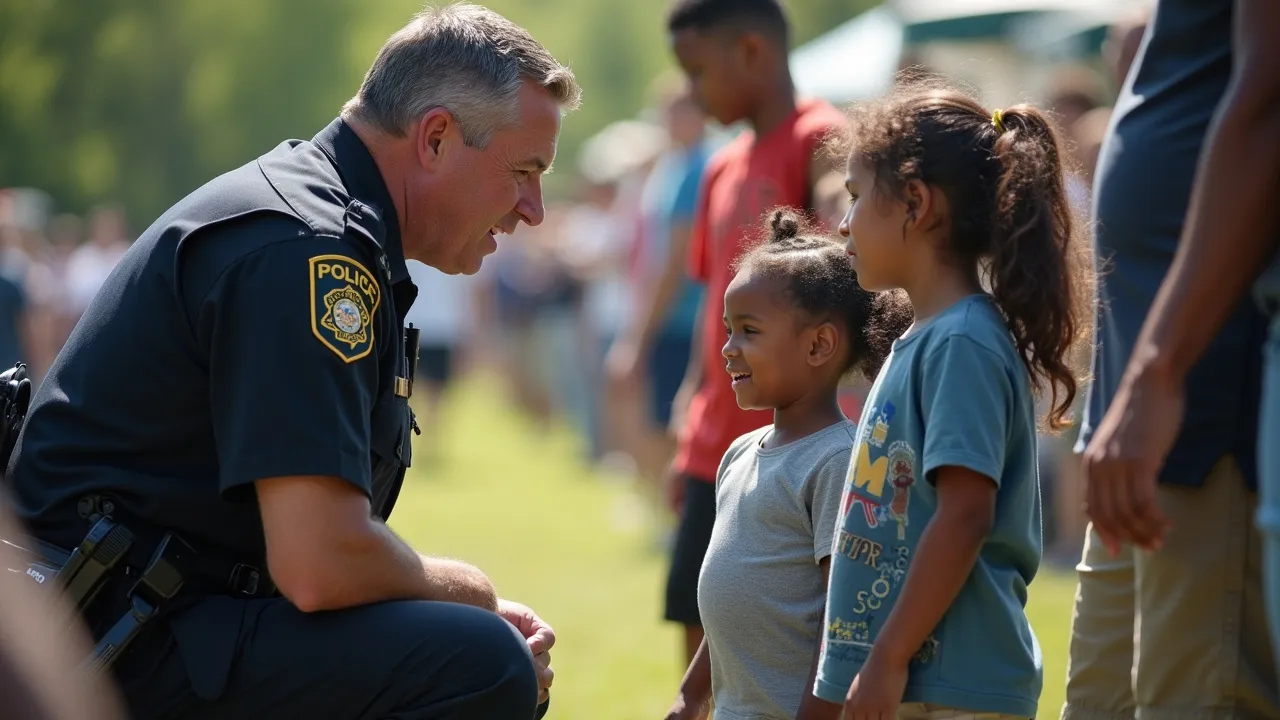
National Law Enforcement Appreciation Day on January 9th honors the brave men and women who serve in law enforcement. It is a day to show support and gratitude for their dedication and sacrifice.
The Historical Origins & Evolutionary Journey
National Law Enforcement Appreciation Day (L.E.A.D.) was first observed on January 9, 2015, established by Concerns of Police Survivors (C.O.P.S.) in partnership with the National Law Enforcement Officers Memorial Fund. The day was created to show support for law enforcement officers who risk their lives daily to protect communities.
The Foundational Catalyst
The idea emerged from a growing need to bridge the gap between the public and police, especially following high-profile incidents that strained relations. C.O.P.S., an organization supporting families of fallen officers, wanted a dedicated day to foster positive interactions and express gratitude.
The Legislative/Official Adoption
While not a federal holiday, the observance received widespread recognition from local governments, police departments, and community groups. Many states issued proclamations, and President Barack Obama acknowledged the day in 2016 through a White House statement.
Modern Global Legacy
Although primarily observed in the United States, similar appreciation days exist worldwide, such as Police Memorial Day in the UK (July 31) and National Police Day in India (October 21). The day continues to evolve with community events, social media campaigns, and partnerships with businesses offering discounts to officers.
How to Celebrate National Law Enforcement Appreciation Day
There are numerous meaningful ways to show appreciation for law enforcement officers on January 9th. Below are actionable strategies for individuals, schools, and organizations.
For Individuals
- Thank an Officer: Personally thank an officer you encounter, or write a letter of appreciation to your local police department.
- Display Blue Lights: Replace a porch light with a blue bulb as a symbol of support.
- Social Media Campaign: Use hashtags like #LawEnforcementAppreciationDay and #ThankALEO to share positive stories.
For Schools
- Educational Programs: Invite officers to speak about safety and their role in the community.
- Art Projects: Have students create thank-you cards or posters for local precincts.
For Organizations
- Employee Recognition: If your organization employs security or former law enforcement, highlight their contributions.
- Community Events: Host a coffee with a cop event or a fundraising drive for police foundations.
- Media Outreach: Publish articles or press releases honoring officers' work.
The Importance of Community-Police Relations
Strong community-police relations are vital for public safety and trust. National Law Enforcement Appreciation Day serves as a catalyst for building these bonds. Research shows that positive interactions increase cooperation and reduce crime.
Key Benefits
- Enhanced Trust: When communities feel respected, they are more likely to report crimes and cooperate with investigations.
- Reduced Tensions: Regular appreciation events help humanize officers and reduce stereotypes.
- Improved Morale: Officers who feel valued experience lower stress and burnout rates.
Global Perspectives
In countries like Canada and Australia, similar appreciation days focus on community engagement through open houses and ride-along programs. In Japan, Keisatsu no Hi (Police Day) on September 15 emphasizes public education.
The Role of Law Enforcement in Modern Society
Law enforcement officers are tasked with upholding the law, protecting life and property, and maintaining order. Their responsibilities have expanded to include community policing, crisis intervention, and counterterrorism.
Evolving Duties
- Technology Integration: Use of body cameras, drones, and data analytics to improve accountability and efficiency.
- Mental Health Response: Many departments now have specialized units to handle mental health crises.
- Community Outreach: Programs like Police Athletic League and Neighborhood Watch build trust.
Appreciation days highlight these evolving roles and encourage public understanding of the complexities officers face.
Challenges Facing Law Enforcement Today
Law enforcement professionals face numerous challenges that underscore the need for public support. National Law Enforcement Appreciation Day provides an opportunity to acknowledge these difficulties.
Key Issues
- Increased Scrutiny: High-profile incidents have led to heightened media attention and public skepticism.
- Officer Safety: Ambush attacks and targeted violence remain serious threats.
- Mental Health: Officers experience higher rates of PTSD, depression, and suicide due to job stress.
- Recruitment and Retention: Departments struggle to attract qualified candidates amid negative perceptions.
Appreciation days can help counteract these challenges by fostering positive narratives and encouraging community support.
How Schools and Organizations Can Participate
Schools, businesses, and civic groups play a crucial role in amplifying the message of appreciation. Below are concrete steps.
For Schools
Lesson Plans: Integrate discussions on the role of police in society into social studies curricula.
Guest Speakers: Invite officers to talk about career paths and safety.
Thank-You Drives: Collect cards and care packages for local precincts.
For Organizations
Blue Lighting: Illuminate buildings with blue lights on January 9th.
Employee Spotlights: Feature officers or retired law enforcement staff in newsletters.
Donations: Contribute to police foundations or fallen officer funds.
Historical Timeline
National Law Enforcement Appreciation Day is first observed on January 9, established by Concerns of Police Survivors (C.O.P.S.) and the National Law Enforcement Officers Memorial Fund.
President Barack Obama issues a White House statement recognizing the day and encouraging all Americans to support law enforcement.
The Blue Light Campaign gains traction, with thousands of homes and businesses displaying blue lights in solidarity.
Many states officially proclaim January 9 as Law Enforcement Appreciation Day through gubernatorial proclamations.
Despite the pandemic, virtual appreciation events and social media campaigns grow, with hashtags trending nationwide.
The day sees expanded international participation, with police forces in Canada and the UK joining the observance.