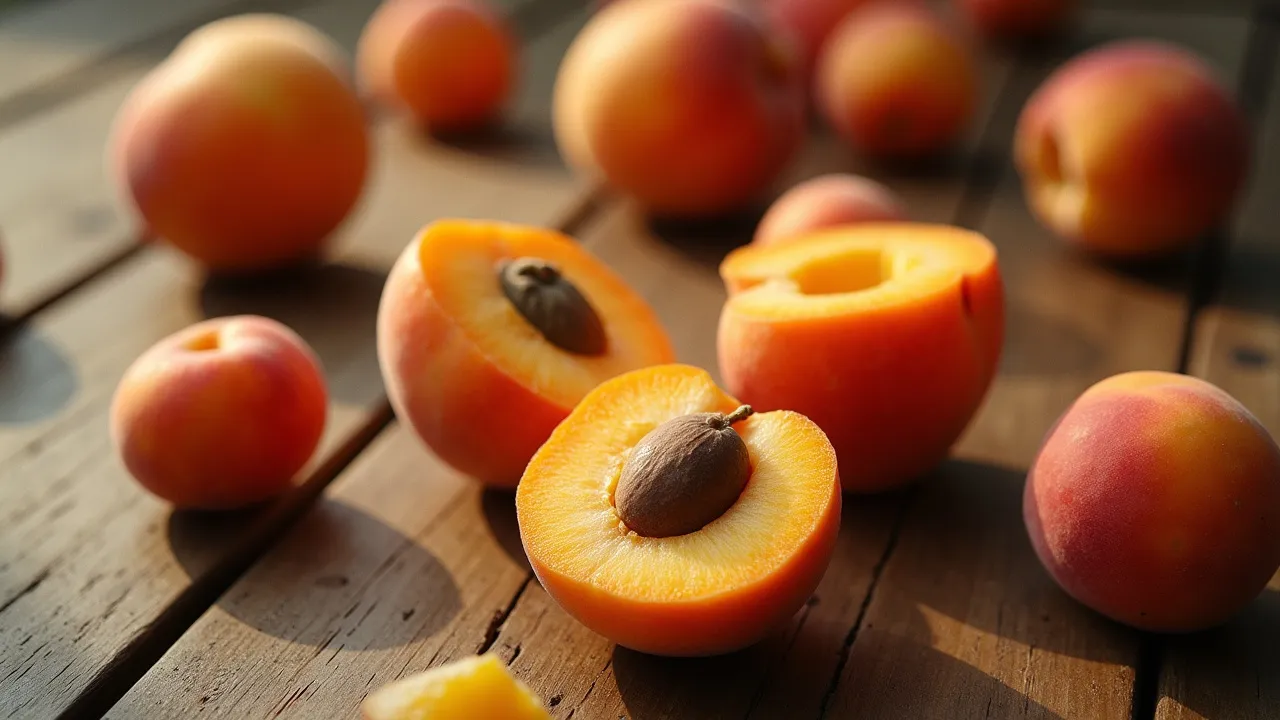
National Apricot Day on January 9th celebrates the sweet, golden fruit beloved worldwide. Discover its rich history, health benefits, and creative ways to enjoy apricots.
The Historical Origins & Evolutionary Journey of National Apricot Day
National Apricot Day, observed annually on January 9th, is a tribute to one of the oldest cultivated fruits. While the exact origin of this food holiday remains unclear, it is widely believed to have emerged in the early 2000s through grassroots efforts by fruit enthusiasts and the National Day Calendar, which catalogues unofficial observances. The day has grown in popularity as consumers seek to reconnect with whole foods and celebrate seasonal produce.
The Foundational Catalyst: Apricot's Ancient Roots
Apricots (Prunus armeniaca) have been cultivated for over 4,000 years, with origins in Central Asia, particularly the region around the Tian Shan mountains. They spread along the Silk Road, reaching Persia, Armenia, and eventually Europe. The fruit's scientific name, armeniaca, reflects the mistaken belief that Armenia was its native land. In fact, genetic studies point to China as the original homeland, where wild apricots still grow today.
The Legislative/Official Adoption: From Orchard to Calendar
Unlike federal holidays, National Apricot Day has no congressional designation. It was popularized by food bloggers, health advocates, and the National Day Calendar, a private organization that curates a list of daily observances. The date of January 9th was chosen arbitrarily, likely to provide a mid-winter celebration that highlights dried apricots, which are abundant during colder months, while also looking forward to the fresh apricot season in summer.
Modern Global Legacy
Today, National Apricot Day is observed primarily in the United States, but its influence has spread via social media. In Turkey, the world's largest apricot producer, local festivals celebrate the harvest in July, but January 9th serves as a global moment to appreciate dried and processed apricot products. The day encourages consumers to explore apricot varieties—from the tangy 'Harglow' to sweet 'Moorpark'—and supports farmers who sustain heirloom orchards.
How to Celebrate National Apricot Day
Whether you prefer fresh, dried, or cooked apricots, there are countless ways to mark this day. Below is a comprehensive guide to celebrating, with ideas for individuals, families, schools, and organizations.
At Home: Personal and Family Activities
- Bake an Apricot Pie or Crisp – Use dried apricots rehydrated in warm water or fresh ones if available. Serve with vanilla ice cream.
- Make Homemade Apricot Jam – Preserve the flavor with a simple sugar and lemon recipe. Can as gifts for later.
- Create an Apricot-Themed Breakfast – Add chopped apricots to oatmeal, yogurt, or pancakes. Top with nuts and honey.
- Host a Tasting Party – Purchase different varieties (e.g., Turkish, California, Spanish) and compare sweetness and texture.
In Schools and Educational Settings
- Classroom Lesson on Apricot History – Discuss the Silk Road and how fruits moved across continents. Use maps.
- Science Experiment: Seed Germination – Extract pits from fresh apricots and attempt to sprout them in a damp paper towel.
- Cooking Class: Apricot Energy Balls – Blend dried apricots, oats, and almond butter for a no-bake snack.
For Organizations and Businesses
- Offer Apricot Samplers – Cafes can feature apricot pastries; restaurants can add a special apricot-glazed dish.
- Social Media Campaign – Share apricot recipes, fun facts, and farmer stories using hashtag #NationalApricotDay.
- Donate to Food Banks – Distribute dried apricot packs to support nutrition in underserved communities.
Global Traditions and Variations
In Turkey, where apricots are a cultural staple, celebrations often include visiting orchards and preparing dried apricot stews. In India, apricots are used in chutneys and pickles; on January 9th, many families incorporate them into festive meals. In the United States, California apricot growers host farm tours and online tastings. No matter where you are, the essence of the day is to savor apricots in all forms.
Nutritional Benefits of Apricots
Apricots are not just delicious; they are packed with essential nutrients. A single fresh apricot (about 35g) provides only 17 calories but delivers significant vitamins and minerals. Below is a breakdown of key health benefits.
Rich in Vitamin A and Beta-Carotene
Apricots are an excellent source of vitamin A, primarily in the form of beta-carotene, which supports eye health, immune function, and skin integrity. Just three apricots provide nearly 30% of the recommended daily intake of vitamin A.
High in Fiber and Low in Calories
With about 1.5g of fiber per 100g, apricots aid digestion and promote satiety. Their natural sweetness makes them a healthy alternative to sugary snacks. Dried apricots are more concentrated in calories and sugar, so moderation is key.
Antioxidants and Potassium
Apricots contain powerful antioxidants like flavonoids and polyphenols that combat oxidative stress. They also provide potassium, which helps regulate blood pressure and muscle function. A small handful of dried apricots offers as much potassium as a banana.
Health Tips for Consumption
Fresh vs. Dried: Fresh apricots are hydrating and lower in calories; dried are nutrient-dense and great for on-the-go energy.
Pair with Iron-Rich Foods: The vitamin C in apricots enhances iron absorption, so combine them with spinach or lentils.
Watch for Sulfites: Some dried apricots are treated with sulfur dioxide to preserve color; choose unsulfured organic varieties if sensitive.
Global Culinary Uses of Apricots
Apricots are a versatile ingredient in cuisines around the world. From savory tagines to sweet pastries, their tangy-sweet flavor enhances a wide range of dishes.
Middle Eastern and Mediterranean Cuisine
- Moroccan Tagine – Lamb or chicken cooked with apricots, almonds, and spices like cinnamon and cumin.
- Apricot Ma'amoul – Semolina cookies filled with apricot paste, popular in Lebanon and Syria.
- Persian Khoresht – Stews combining apricots with herbs, meats, and split peas.
Asian and Central Asian Traditions
- Turkish Kayısı Tatlısı – Stuffed dried apricots with cream, nuts, and syrup.
- Chinese Apricot Kernel Soup – A sweet dessert soup made from ground apricot kernels (note: bitter kernels must be processed to remove toxins).
- Uzbek Apricot Compote – A refreshing drink made by simmering fresh or dried apricots with sugar and water.
Western Baking and Desserts
- Apricot Tart – Puff pastry topped with apricot halves and brushed with glaze.
- Apricot Scones – Buttery scones studded with dried apricot pieces, perfect with clotted cream.
- Apricot Glaze – A simple mixture of apricot jam and water used to shine cakes and pastries.
Modern fusion recipes also include apricot barbecue sauces, apricot salsa, and apricot-infused spirits. The fruit's acidity balances rich flavors, making it a chef's favorite.
Apricot Cultivation and Harvesting Practices
Understanding how apricots are grown and harvested deepens appreciation for this fruit. Apricots require specific climates and care.
Ideal Growing Conditions
Apricot trees thrive in temperate regions with cold winters (for dormancy) and warm, dry summers. They are sensitive to frost during bloom, which occurs in early spring. Major producers include Turkey, Iran, Uzbekistan, Italy, and the United States (California).
Varieties and Harvest Seasons
- Early Varieties – 'Goldrich' and 'Earlicot' ripen in late May to early June.
- Mid-Season Varieties – 'Blenheim' (the classic California apricot) and 'Harglow' are ready in June–July.
- Late Varieties – 'Moorpark' and 'Tilton' extend the season into August.
Harvesting and Post-Harvest Handling
Apricots are hand-picked when fully colored but still firm. They ripen quickly after picking, so they must be cooled immediately. About 80% of the world's apricots are dried, as dried apricots have a longer shelf life and concentrated flavor. In Turkey, apricots are often sun-dried on rooftops, a tradition that has been practiced for centuries.
Sustainability and Challenges
Apricot orchards face threats from pests (e.g., aphids, borers) and diseases (brown rot, bacterial spot). Integrated pest management (IPM) and organic practices are increasingly adopted. Climate change is altering bloom times and increasing frost risk, prompting research into hardier rootstocks.
Economic Impact of the Apricot Industry
The apricot industry contributes significantly to the agricultural economies of several countries. Global production exceeds 4 million metric tons annually.
Top Producing Nations (2023)
- Turkey – ~800,000 tons, mostly for drying and export.
- Iran – ~500,000 tons, with a focus on fresh consumption.
- Uzbekistan – ~400,000 tons, a major exporter of dried apricots.
- Italy – ~250,000 tons, primarily for processing into jams and liqueurs.
- United States – ~150,000 tons, mainly from California, with growing organic sectors.
Trade and Market Trends
Dried apricots are the most traded form, with Turkey dominant in the global market. The organic segment is expanding as health-conscious consumers seek sulfite-free products. Prices fluctuate based on weather events; a frost in a major production region can double prices. Processed products (jams, purees, juices) add value and stabilize income for growers.
Employment and Rural Development
In Central Asia and Turkey, apricot farming supports hundreds of thousands of families. The industry provides seasonal labor for harvesting and processing. Fair trade initiatives are emerging to ensure smallholder farmers receive equitable compensation.
Historical Timeline
Apricots first cultivated in Central Asia, specifically the Tian Shan mountains region, spreading along the Silk Road.
Apricots reach Armenia and Persia; the fruit becomes known as 'Armenian plum' in Europe.
Apricot trees introduced to England by Spanish explorers; planted in gardens of Henry VIII.
Apricots arrive in California via Spanish missions; the fruit adapts well to the Mediterranean climate.
Commercial apricot orchards established in the Santa Clara Valley, California, leading to a thriving dried-fruit industry.
The 'Blenheim' apricot variety developed in Santa Clara, becoming the standard for high-quality dried apricots.
National Apricot Day emerges as a food holiday, promoted by fruit enthusiasts and the National Day Calendar.
Turkey produces over 700,000 metric tons of apricots, solidifying its position as world leader.
Organic apricot production grows by 15%, driven by consumer demand for sulfite-free dried fruit.