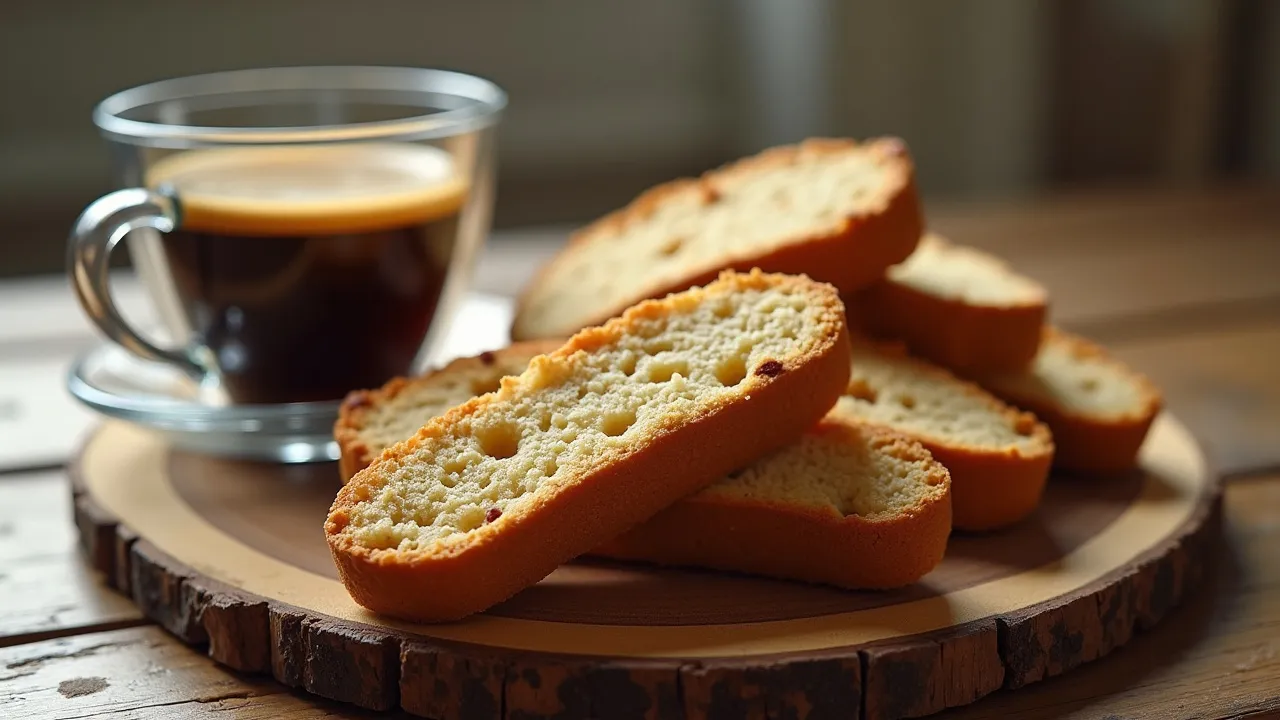
National Biscotti Day, observed on September 29th, honors the beloved Italian twice-baked cookie. Discover its ancient origins, global variations, and how to savor this crunchy treat with coffee or wine.
The Historical Origins & Evolutionary Journey
National Biscotti Day, celebrated on September 29th, honors one of the world's oldest and most beloved cookies: biscotti. The name biscotti comes from the Latin biscoctus, meaning "twice-baked" or "twice-cooked." This ancient technique dates back to the Roman Empire, where soldiers and travelers needed durable, long-lasting provisions.
The Foundational Catalyst: Roman Beginnings
Biscotti's earliest ancestors were simple breads dried in the oven to remove moisture, preventing mold and spoilage. Roman legions carried these hard, crunchy biscuits on long campaigns, dipping them in water or wine to soften before eating. The first recorded recipe, called panis biscoctus, appears in the writings of Pliny the Elder around 200 CE. This technique spread across the Mediterranean, evolving into regional variations.
The Legislative/Official Adoption: Modern Celebration
Fast forward to the 20th century: biscotti became synonymous with Italian cafes and bakeries, especially in the United States. The observance of a dedicated day emerged in the early 2000s, likely promoted by food bloggers and the National Day Calendar to celebrate the cookie's cultural impact. September 29th was chosen to coincide with the peak of the coffee season and the cozy transition to autumn, making it the perfect time to enjoy biscotti with a warm beverage.
Modern Global Legacy
Today, biscotti are enjoyed worldwide in countless flavors—from traditional almond and anise to chocolate, citrus, and savory varieties. They have become a staple in coffee shops, bakeries, and home kitchens. National Biscotti Day encourages people to appreciate the rich history and craftsmanship behind this simple yet enduring treat.
How to Celebrate National Biscotti Day
National Biscotti Day offers endless opportunities to indulge in these tasty cookies. Whether you're a baker, a foodie, or simply a coffee lover, here are actionable ways to celebrate:
For Individuals & Families
- Bake from scratch: Try a classic almond biscotti recipe, or experiment with flavors like cranberry-pistachio or dark chocolate-dipped. Twice-baking ensures the perfect crunch.
- Host a biscotti tasting party: Serve different varieties with an array of dipping beverages—espresso, cappuccino, hot chocolate, vin santo, or red wine.
- Visit a local Italian bakery: Support small businesses by purchasing artisanal biscotti. Many bakeries offer seasonal specials on this day.
- Share on social media: Post your biscotti creations using #NationalBiscottiDay and tag fellow cookie enthusiasts.
For Schools & Organizations
- Educational workshops: Teach the history of biscotti and the science of twice-baking. Students can sample ancient Roman-style hardtack vs. modern biscotti.
- Baking contests: Host a school-wide biscotti bake-off with categories for most creative flavor, best presentation, and most authentic Italian style.
- Fundraisers: Sell homemade biscotti to raise money for charity. Package them in festive bags with a tag explaining the holiday.
Corporate & Social Rituals
Offices can celebrate by providing biscotti and coffee in break rooms. Some companies organize team-building baking challenges or order custom biscotti with the company logo. It's a simple gesture that boosts morale and encourages connection over a shared treat.
Biscotti Varieties Around the World
While biscotti are quintessentially Italian, many cultures have their own version of twice-baked cookies. Exploring global variations enriches the celebration.
Italian Classics
- Biscotti di Prato (Cantuccini): The original Tuscan biscotti made with almonds, often flavored with anise or vanilla. Traditionally served with Vin Santo.
- Biscotti al Cioccolato: Chocolate versions with cocoa powder or chocolate chips, sometimes dipped in dark chocolate.
- Biscotti alle Mandorle: Almond-based, sometimes with whole almonds or almond flour for a gluten-free option.
International Twice-Baked Cookies
- Biscotti in the US: American variations include oversized, soft-baked biscotti, often loaded with nuts, dried fruits, and drizzled with icing.
- Biscotti in Argentina: Called bolitas de fraile, they are smaller and often flavored with coconut.
- Biscotti in Greece: Paximadia are twice-baked barley rusks, often soaked in olive oil and herbs.
- Biscotti in Sweden: Skorpor are lightly sweetened rusks, often served with butter and jam for breakfast.
These global cousins highlight the universal appeal of twice-baked goods, adapted to local tastes and ingredients.
The Art of Baking Perfect Biscotti
Baking biscotti requires precision and patience. The twice-baking process is what gives them their signature crunch and long shelf life.
Key Ingredients
- Flour: Typically all-purpose, but almond flour or whole wheat adds flavor.
- Sweetener: Sugar or honey; brown sugar adds moisture.
- Fat: Butter, oil, or sometimes eggs provide richness.
- Leavening: Baking powder helps them rise slightly.
- Flavorings: Almond extract, vanilla, citrus zest, or cinnamon.
- Add-ins: Nuts (almonds, pistachios), dried fruits (cranberries, apricots), chocolate chips, or spices.
Step-by-Step Process
- Mix dough: Combine dry ingredients, then add wet ingredients. Knead lightly—overmixing makes them tough.
- Shape logs: Form the dough into flat logs on a baking sheet.
- First bake: Bake at 350°F (175°C) for 25–30 minutes until firm and lightly browned.
- Slice: Cool slightly, then cut diagonally into ½-inch slices.
- Second bake: Lay slices cut-side down and bake for another 10–15 minutes, flipping halfway, until dry and crunchy.
Pro tip: Let biscotti cool completely before storing in an airtight container; they can keep for weeks.
Pairing Biscotti with Beverages & Desserts
Biscotti are designed for dipping. Their firm texture softens when soaked, releasing intense flavor. The perfect pairing enhances both the cookie and the drink.
Coffee & Espresso
The classic combination: dunking a almond biscotti into an espresso or cappuccino. The coffee's bitterness complements the cookie's sweetness. For a twist, try affogato—a scoop of gelato drowned with espresso, topped with crumbled biscotti.
Wine & Liqueurs
In Italy, biscotti are often served with Vin Santo, a sweet dessert wine from Tuscany. Other pairings include Marsala, port, or sweet sherry. For non-alcoholic options, try hot chocolate or chai latte.
Dessert Creations
Crush biscotti to make a crunchy topping for ice cream, yogurt parfaits, or cheesecake. Use them as a base for tiramisu in place of ladyfingers. Dip them in melted chocolate and sprinkle with sea salt for an easy gourmet treat.
Experiment with sweet and savory: some biscotti are made with rosemary, black pepper, and olive oil, perfect with cheese plates or wine.
Health Considerations & Dietary Adaptations
Biscotti can be adapted to various dietary needs without sacrificing taste. Traditional recipes are relatively low in fat but high in sugar. Here's how to enjoy them on any diet.
Gluten-Free Biscotti
Replace all-purpose flour with a gluten-free blend containing rice flour, tapioca starch, and xanthan gum. Almond flour adds moisture and flavor. Ensure all add-ins are certified gluten-free.
Vegan Biscotti
Substitute eggs with flax eggs (1 tbsp ground flaxseed + 3 tbsp water) or applesauce. Use coconut oil or vegan butter. Many fruit-and-nut based biscotti are naturally vegan.
Lower Sugar Options
Reduce sugar by half and use sugar substitutes like stevia or erythritol. Incorporate naturally sweet additions like dates or dried figs. The twice-baking concentrates sweetness.
Nut-Free Biscotti
Omit nuts and use seeds (sunflower, pumpkin) or chocolate chips. Be cautious of cross-contamination in bakeries.
Homemade biscotti allow full control over ingredients, making them a healthier treat compared to many store-bought cookies.
Historical Timeline
Pliny the Elder records the first mention of 'panis biscoctus' (twice-baked bread) in Roman writings.
Biscotti appear in Italian monastic kitchens, where monks dry bread for long journeys.
The city of Prato, Tuscany, perfects the recipe for almond biscotti (cantuccini), later trademarked.
Italian immigrants bring biscotti to the United States, where they become popular in Italian-American bakeries.
Biscotti experience a resurgence in the US as coffee culture booms; they are mass-produced and sold in supermarkets.
National Biscotti Day is first observed on September 29th, promoted by National Day Calendar and food enthusiasts.
Artisan biscotti gain popularity with flavors like lemon-ginger, white chocolate-macadamia, and savory herb.
National Biscotti Day continues to grow, celebrated with baking contests, social media campaigns, and limited-edition products.