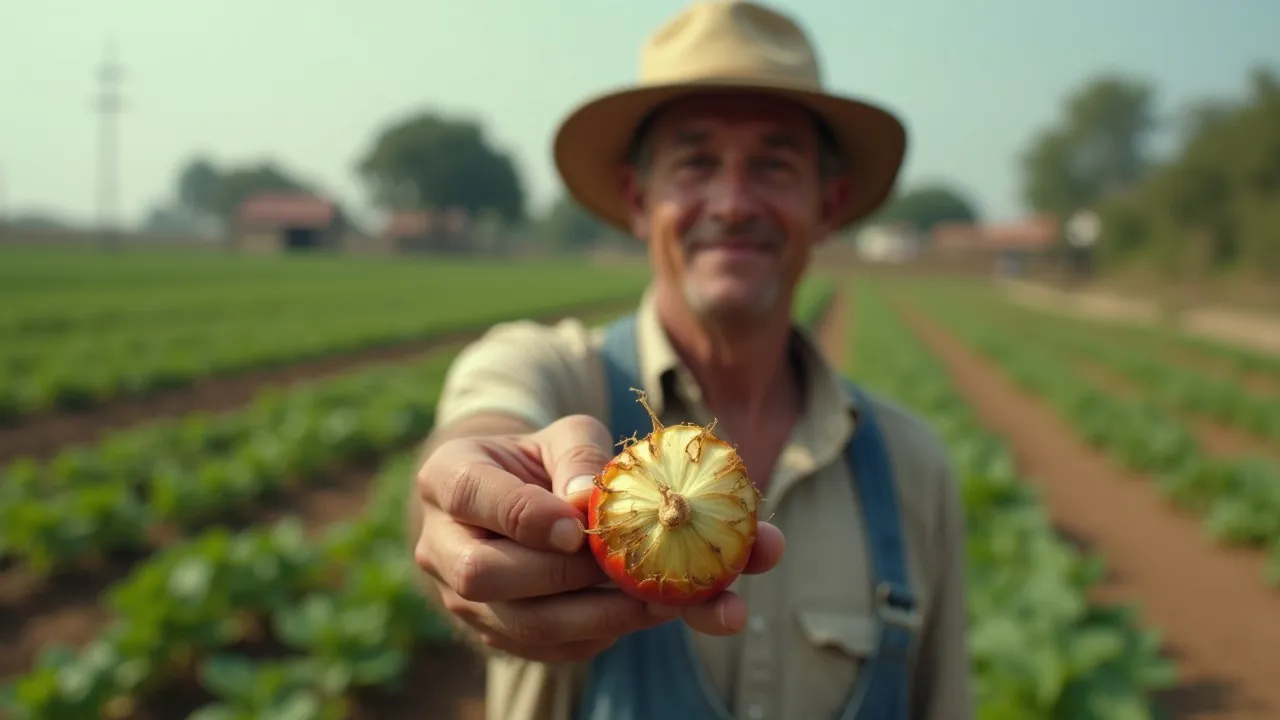
The International Day of Awareness of Food Loss and Waste, observed on September 29th, is a UN-designated day to highlight the critical issue of food loss and waste. It calls for collective action to reduce food waste and promote sustainable food systems.
The Historical Origins & Evolutionary Journey
The Foundational Catalyst
The issue of food loss and waste gained global attention in the early 2010s. In 2011, the Food and Agriculture Organization (FAO) published a landmark report titled "Global Food Losses and Food Waste," which estimated that roughly one-third of all food produced for human consumption is lost or wasted annually. This revelation shocked policymakers, industry leaders, and the public, sparking a series of international discussions and initiatives.
The Legislative/Official Adoption
In response to the growing concern, the United Nations General Assembly, with leadership from the Food and Agriculture Organization (FAO) and the United Nations Environment Programme (UNEP), adopted Resolution 74/209 on December 19, 2019, officially designating September 29th as the International Day of Awareness of Food Loss and Waste. The date was chosen to align with harvest seasons in many regions, symbolizing the connection between food production and consumption. The first official observance took place on September 29, 2020, under the theme "Stop Food Loss and Waste. For People and Planet."
Modern Global Legacy
Since its inception, the day has grown into a global movement. Governments, NGOs, businesses, and individuals participate in campaigns, educational events, and practical actions to reduce food waste. The Sustainable Development Goal Target 12.3 aims to halve per capita global food waste at the retail and consumer levels and reduce food losses along production and supply chains by 2030. The International Day serves as a key rallying point to accelerate progress.
How to Celebrate International Day of Awareness of Food Loss and Waste
This day offers a powerful opportunity for everyone—individuals, schools, corporations, and governments—to take meaningful action. Below are comprehensive strategies tailored to different audiences:
For Individuals and Families
- Plan meals weekly: Create a shopping list based on planned meals to avoid overbuying.
- Store food properly: Learn correct storage techniques for fruits, vegetables, and leftovers to extend freshness.
- Use leftovers creatively: Turn last night's dinner into a new dish, like soups or stir-fries.
- Compost scraps: If food waste is unavoidable, compost it to return nutrients to the soil.
For Schools and Educational Institutions
- Organize workshops on food waste impact and prevention.
- Conduct a food waste audit in the cafeteria to measure and reduce waste.
- Incorporate food sustainability into curricula across subjects.
For Businesses and Organizations
- Donate surplus food: Partner with local food banks or charities.
- Improve inventory management: Use technology to track and reduce overstock.
- Engage employees: Host awareness campaigns and challenge teams to reduce waste.
Regional Traditions
In Europe, many countries host public events like cooking demonstrations using imperfect produce. In Japan, the "Mottainai" spirit emphasizes respect for food, leading to nationwide campaigns. In India, community feasts (langars) are organized to use leftover food. In the United States, the USDA and EPA run the "Food Waste Challenge" encouraging businesses to commit to reduction targets.
Global Impact of Food Loss and Waste
Food loss and waste have far-reaching consequences that affect every corner of the globe. According to the UNEP Food Waste Index Report 2021, approximately 931 million tonnes of food waste were generated in 2019, with 61% coming from households, 26% from food service, and 13% from retail. This waste accounts for 8-10% of global greenhouse gas emissions, contributing significantly to climate change.
Social and Humanitarian Impact
While millions of tonnes of food are wasted, nearly 690 million people go hungry. Reducing food waste by just 25% could feed all undernourished people globally. The day highlights this paradox and promotes food redistribution mechanisms.
Economic Impact
The economic cost of food loss and waste is estimated at $1 trillion annually. This includes the value of wasted food plus the costs of production, transportation, and disposal. For smallholder farmers, losses can mean the difference between profit and poverty.
Economic Consequences and Business Opportunities
Food loss and waste represent a massive drain on the global economy. However, addressing this issue also opens up new business opportunities and efficiency gains.
Costs Along the Supply Chain
From farm to fork, food loses value at every stage. In developing countries, losses often occur due to inadequate storage, transportation, and cooling facilities. In developed nations, waste is highest at the consumer level. The FAO estimates that in low-income countries, about 40% of food is lost post-harvest, while in high-income countries, about 40% is wasted at the retail and consumer levels.
Business Innovation
Entrepreneurs and established companies are developing solutions: apps that connect consumers with surplus food from restaurants (e.g., Too Good To Go), technologies that extend shelf life, and platforms that facilitate food donations. The circular economy model is gaining traction, turning waste into energy, animal feed, or new products.
Environmental Significance and Climate Change
Food loss and waste are major drivers of environmental degradation. When food is wasted, all the resources used to produce it—water, land, energy, labor—are also wasted. The carbon footprint of wasted food is equivalent to the emissions of 3.3 billion tonnes of CO2 per year.
Water and Land Use
Agriculture uses 70% of global freshwater withdrawals. Wasting food means wasting water. The land used to grow food that is never eaten covers an area larger than China. Reducing waste can alleviate pressure on ecosystems and biodiversity.
Methane Emissions
Food rotting in landfills produces methane, a potent greenhouse gas 25 times more powerful than CO2. Diverting food waste to composting or anaerobic digestion can significantly reduce these emissions.
Technological Solutions and Innovations
Technology plays a crucial role in preventing food loss and waste. Innovations span the entire supply chain, from precision agriculture to smart packaging.
Precision Agriculture and Monitoring
Sensors, drones, and satellite imagery help farmers monitor crop health, predict yields, and optimize harvest timing. This reduces losses in the field. Internet of Things (IoT) devices in storage facilities track temperature and humidity to prevent spoilage.
Supply Chain Optimization
Blockchain technology enables traceability, helping identify where losses occur. Data analytics and machine learning can forecast demand more accurately, reducing overproduction. Cold chain logistics innovations, such as solar-powered refrigerators, are critical in developing regions.
Consumer-Facing Apps and Platforms
Apps like Olio and No Waste connect neighbors to share surplus food. Others, like Food Rescue, allow businesses to donate excess inventory. These tools engage consumers directly in waste reduction.
Historical Timeline
FAO publishes 'Global Food Losses and Food Waste,' revealing that one-third of food produced for human consumption is lost or wasted annually.
The UN Food and Agriculture Organization (FAO) launches the 'Save Food' initiative to reduce food loss and waste.
The United Nations adopts the Sustainable Development Goals, including Target 12.3: to halve per capita global food waste by 2030.
The UN General Assembly passes Resolution 74/209, officially designating September 29th as the International Day of Awareness of Food Loss and Waste.
First official observance of the International Day of Awareness of Food Loss and Waste under the theme 'Stop Food Loss and Waste. For People and Planet.'
UNEP publishes the Food Waste Index Report, providing the first global estimates of food waste at retail and consumer levels.
More than 100 countries participate in the observance, with governments and organizations hosting events, campaigns, and policy pledges.