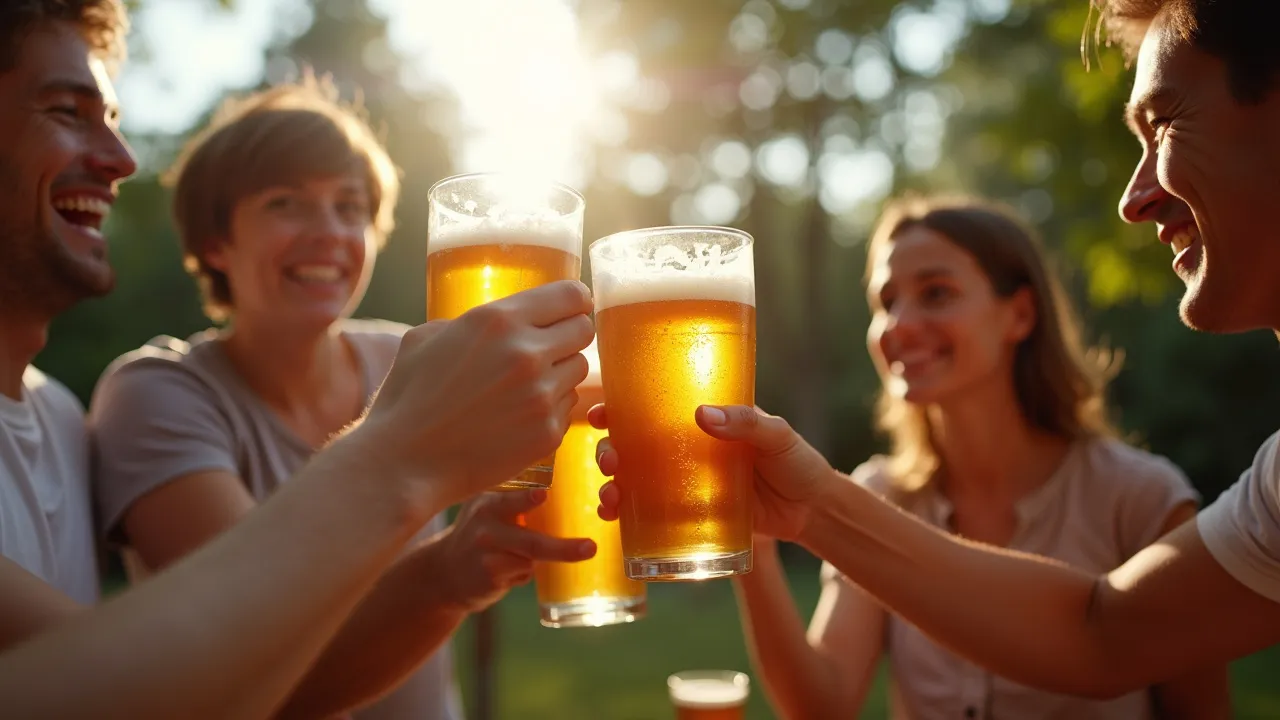
National Beer Lover's Day, observed on September 7th, celebrates the rich history, diverse styles, and global culture of beer. From ancient brewing traditions to modern craft revolutions, raise a glass to the world's most beloved fermented beverage.
The Historical Origins & Evolutionary Journey
National Beer Lover's Day, celebrated annually on September 7th, is a day dedicated to appreciating the world's oldest and most widely consumed alcoholic beverage. While the exact origins of this observance remain obscure, it likely emerged from grassroots beer enthusiast communities and brewery marketing initiatives in the early 2000s. Unlike National Beer Day (April 7th), which commemorates the repeal of a US prohibition law, this day is purely about enjoyment and appreciation.
The Foundational Catalyst
Beer itself has a history spanning over 7,000 years, with evidence of barley-based fermentation in Mesopotamia and ancient Egypt. The modern incarnation of a "beer lover's day" reflects a broader cultural shift toward artisanal brewing and beer connoisseurship that gained momentum in the late 20th century. The craft beer revolution in the United States, which began in the 1970s with pioneers like Anchor Brewing and Sierra Nevada, transformed beer from a mass-market commodity into a diverse, nuanced product worthy of celebration.
The Legislative/Official Adoption
Unlike many national days, National Beer Lover's Day lacks formal congressional or presidential proclamation. Instead, it has been propagated by beer industry associations, social media campaigns, and brewery events. The Beer Institute and the Brewers Association have unofficially endorsed the day by encouraging breweries and bars to host special tastings and promotions. Its spread has been organic, fueled by hashtags like #NationalBeerLoversDay.
Modern Global Legacy
Today, the day is recognized across the United States and in many other countries, often aligning with the start of the autumn beer season. Oktoberfest, which begins in mid-September, provides a natural extension of the celebration. The day underscores beer's role in social bonding, cultural identity, and gastronomy. It has also become a platform for responsible drinking campaigns, emphasizing moderation and the appreciation of quality over quantity.
How to Celebrate National Beer Lover's Day
Whether you are a casual drinker or a seasoned cicerone, there are countless ways to honor the day. The key is to explore, savor, and share the experience with fellow enthusiasts. Below are structured strategies for individuals, groups, and organizations.
Individual Celebration Ideas
- Visit a Local Brewery: Many craft breweries offer behind-the-scenes tours and special release beers on this day. Ask about their brewing process and sample a flight of seasonal offerings.
- Host a Tasting Party: Gather friends and assign each person to bring a beer from a different country or style. Use tasting sheets to rate aroma, flavor, and mouthfeel.
- Cook with Beer: Experiment by incorporating beer into recipes like beer bread, beer-battered fish, or even beer-infused chocolate cake.
- Expand Your Palate: Try a style you have never had before, such as a Gose, a Baltic Porter, or a New England IPA. Keep a journal of your impressions.
Group and Social Rituals
- Beer and Food Pairing Dinner: Organize a multi-course meal where each course is paired with a complementary beer. Consider classic matches: stout with oysters, IPA with spicy curry, or wheat beer with salads.
- Beer Trivia Night: Host a quiz covering beer history, ingredients, and brewing techniques. Offer small prizes donated by a local craft brewery.
- Community Clean-Up Toast: Combine civic responsibility with celebration by volunteering for a park clean-up and then sharing a locally brewed beer afterward.
Corporate and Organizational Activities
Breweries can launch limited-edition beers or offer discounts. Restaurants can design special beer menus. Retailers can host education sessions. Non-profits can use the day to promote responsible drinking and highlight the economic impact of the beer industry.
Global Variations
In Germany, beer lovers often visit beer gardens or attend early Oktoberfest celebrations. In Belgium, where monastic brewing traditions thrive, people visit Trappist breweries. In Japan, craft beer bars offer tasting sets that include seasonal ingredients like yuzu or matcha. In Mexico, micheladas (beer cocktails with lime and spice) are a popular choice. In the United States, cities like Portland, Denver, and San Diego host citywide pub crawls and festivals.
The Global Beer Culture & Regional Traditions
Beer is a universal beverage, yet each region has developed unique traditions that shape how it is brewed, served, and consumed. National Beer Lover's Day is an opportunity to explore this diversity.
Europe: The Cradle of Beer Styles
From the crisp pilsners of the Czech Republic to the complex lambics of Belgium, Europe remains a powerhouse of beer heritage. Germany's Reinheitsgebot (beer purity law) of 1516 still influences modern brewing. In the UK, cask ales served at cellar temperature are a point of national pride. Many Europeans celebrate by visiting historic breweries like Guinness in Dublin or Weihenstephan in Germany.
North America: The Craft Revolution
The United States and Canada have seen an explosion of craft breweries since the 1980s. The Brewers Association reports over 9,000 breweries in the US alone. Styles like American IPA, hazy IPA, and barrel-aged stouts have become global benchmarks. Celebrations often involve release parties for limited-edition beers and collaborations between breweries.
Asia and Oceania: Emerging Markets
Japan boasts a thriving craft scene with breweries like Kiuchi (Hitachino Nest) and Baird. In Australia, the craft beer movement has grown rapidly, with a focus on hop-forward styles. Many Asian countries have traditional rice-based beers, but international styles are gaining popularity.
Africa and South America
In Africa, traditional beers like South African umqombothi (made from sorghum) are still consumed, but commercial lagers dominate. South America has a strong beer culture, with Brazil being the third-largest beer producer globally. Local celebrations often incorporate live music and street food.
Beer Styles & Brewing Traditions
Understanding beer styles enriches appreciation. This section breaks down major categories and their defining characteristics.
Ale vs. Lager: The Fundamental Divide
Beers are broadly classified as ales (top-fermented, warm temperatures) or lagers (bottom-fermented, cold temperatures). Ales tend to be fruitier and more complex, while lagers are cleaner and crisper. Within these, hundreds of substyles exist.
Major Beer Styles
- IPA (India Pale Ale): Hoppy, bitter, often with citrus and pine notes. Substyles include West Coast, New England, and Double IPA.
- Stout and Porter: Dark, roasted malt flavors of coffee and chocolate. Imperial stouts have higher alcohol content.
- Wheat Beer: Light, refreshing, often with notes of clove and banana (e.g., Hefeweizen, Witbier).
- Sour Beer: Tart and funky, produced by wild yeast and bacteria. Examples: Lambic, Gose, Berliner Weisse.
- Lager: Includes Pilsner, Helles, Bock, and Märzen. The Oktoberfest style is a classic Märzen.
- Belgian Styles: Dubbel, Tripel, Quadrupel, and Saison—often fruity and spicy due to unique yeast strains.
Brewing Traditions
Traditional methods like bottle conditioning (secondary fermentation in the bottle) and barrel aging (using bourbon, wine, or whiskey barrels) add complexity. The craft movement has revived ancient techniques like spontaneous fermentation.
Beer & Food Pairing: Elevating Gastronomy
Beer is an incredibly versatile beverage for food pairing, often rivaling wine. National Beer Lover's Day is the perfect excuse to experiment with matches.
Basic Principles
- Complement: Match intensity—light beer with delicate food, robust beer with hearty dishes.
- Contrast: Use sweetness to cut spice, bitterness to cut fat, and acidity to refresh the palate.
- Regional Pairing: Pair local beer with local cuisine (e.g., Belgian beer with mussels and frites).
Classic Pairings
- Pilsner with sushi or ceviche—crispness cleanses the fish.
- IPA with spicy Thai or Indian food—hops cut through heat.
- Stout with chocolate dessert or oysters—roast flavors meld.
- Wheat beer with salads or citrus dishes—light and refreshing.
- Sour beer with cheese plates—acidity matches tangy cheeses like goat or blue.
Many breweries now offer food pairing menus, and some restaurants have dedicated beer sommeliers (cicerones).
The Economic Impact of the Beer Industry
Beer is not just a beverage; it is a major economic driver. National Beer Lover's Day highlights the industry's contributions to employment, agriculture, and tourism.
Global Market Size
The global beer market was valued at over $650 billion in 2023, with projections for steady growth. Craft beer, though a smaller segment, has been expanding rapidly at 8-10% annually.
Jobs and Supply Chain
In the United States alone, the beer industry supports over 2 million jobs, including brewing, distribution, retail, and agriculture. Barley farmers, hop growers, and maltsters are integral to the supply chain. The Brewers Association estimates that craft breweries contributed $79 billion to the US economy in 2022.
Beer Tourism
Beer trails and festivals attract millions of visitors each year. Regions like Bavaria, Belgium, and the US Pacific Northwest have built tourism campaigns around their breweries. National Beer Lover's Day often sees increased foot traffic at local breweries and beer bars.
Sustainability Initiatives
Many breweries are adopting sustainable practices such as water recycling, solar energy, and spent grain donation to farms. These efforts resonate with environmentally conscious consumers and align with broader corporate responsibility trends.
Historical Timeline
Earliest known evidence of beer brewing in Mesopotamia (modern-day Iran), where barley was fermented to produce a rudimentary beer.
The German Reinheitsgebot (Beer Purity Law) is enacted in Bavaria, restricting beer ingredients to water, barley, and hops (later yeast). It influences brewing standards for centuries.
The first commercial lager brewery in the United States, the Anheuser-Busch Brewing Association, is founded in St. Louis, Missouri.
Prohibition ends in the United States with the repeal of the 18th Amendment, allowing beer production to resume. April 7th becomes National Beer Day.
Homebrewing is legalized in the United States, sparking the craft beer movement. The American Homebrewers Association is founded.
Sierra Nevada Brewing Co. releases its iconic Pale Ale, a defining moment for American craft beer.
National Beer Lover's Day begins to be observed informally, promoted by beer enthusiasts and industry groups on September 7th.
The Cicerone Certification Program launches, establishing a formal credential for beer experts, akin to sommeliers for wine.
The Brewers Association reports that the number of US craft breweries surpasses 2,000 for the first time since the 19th century.
National Beer Lover's Day sees widespread social media engagement and events across the US, with hashtag #NationalBeerLoversDay trending.