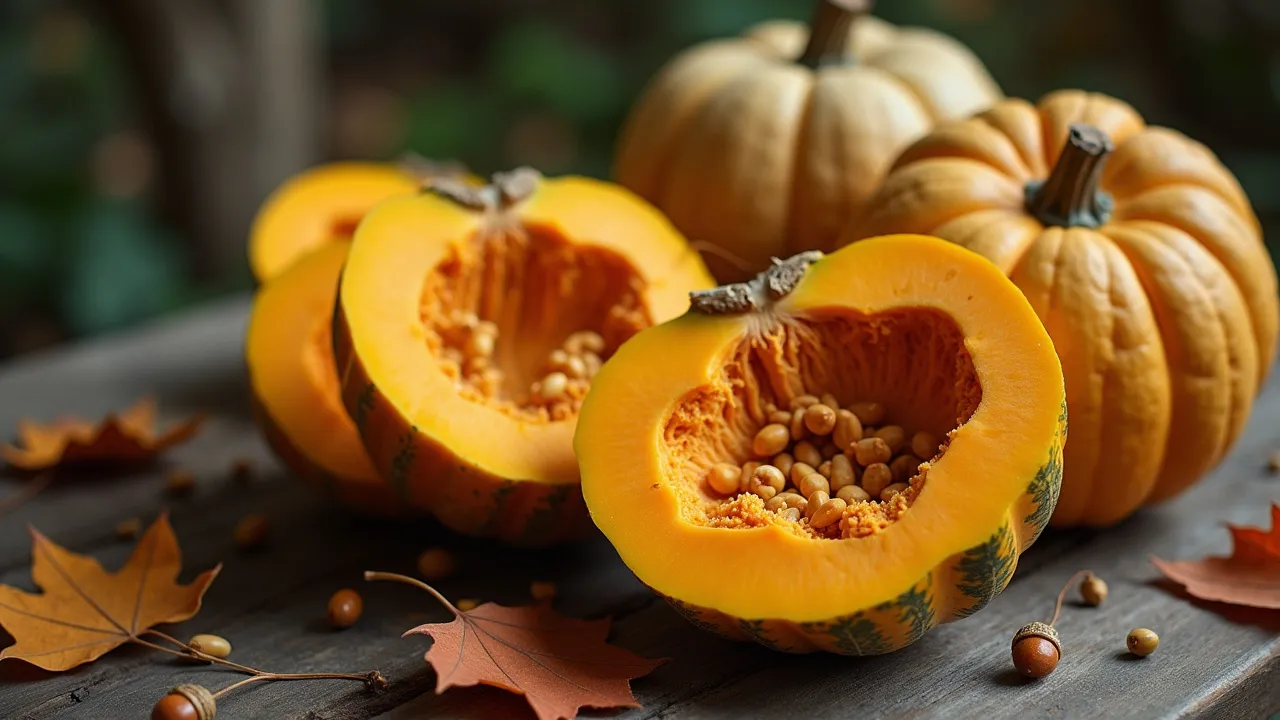
Celebrate National Acorn Squash Day on September 7th! Discover the rich history, nutritional benefits, and delicious recipes for this versatile winter squash. Learn how to honor this superfood in your kitchen and garden.
The Historical Origins & Evolutionary Journey
National Acorn Squash Day, observed annually on September 7th, celebrates the humble yet nutrient-dense acorn squash (Cucurbita pepo var. turbinata). This section delves into the deep history of this squash, from its pre-Columbian origins to its modern-day status as a superfood.
The Foundational Catalyst
Acorn squash has been cultivated in the Americas for thousands of years. Archaeological evidence from Mexico and the Southwestern United States suggests that indigenous peoples domesticated wild squash varieties as early as 8000 BCE. The acorn squash, named for its distinctive acorn-like shape, was a staple among Native American tribes, including the Iroquois and Cherokee, who used it in stews, roasted it over fires, and dried it for winter storage. The squash's hard shell allowed long-term preservation, making it vital for survival.
The Legislative/Official Adoption
Despite its ancient roots, the specific observance of National Acorn Squash Day is a modern phenomenon. According to food holiday archives, the day was first proposed in 2013 by Paleo Magazine, a publication dedicated to the paleo lifestyle, which emphasizes whole foods like vegetables, meats, and nuts. The magazine chose September 7th to coincide with the peak harvest season for winter squash in the Northern Hemisphere. The observance quickly gained traction among health-conscious communities, food bloggers, and farmers markets across the United States.
Modern Global Legacy
Today, National Acorn Squash Day is celebrated not only in North America but also in parts of Europe, Australia, and Japan, where acorn squash is known as kabocha (though kabocha is a different variety, similar in use). The day has evolved into a multifaceted event encompassing nutritional education, culinary experimentation, and sustainable agriculture practices. Social media campaigns like #AcornSquashDay generate thousands of posts annually, featuring everything from stuffed acorn squash recipes to gardening tips.
How to Celebrate National Acorn Squash Day
This ultimate guide provides actionable ideas for individuals, families, schools, and organizations to commemorate the day. From cooking to community events, here are the best ways to honor acorn squash.
For Individuals and Families
- Cook a Stuffed Acorn Squash: Try a classic recipe with quinoa, cranberries, and pecans, or a savory version with sausage and kale. The squash's natural sweetness pairs well with earthy flavors.
- Host a Squash Tasting: Gather friends and compare acorn squash with other winter squashes like butternut and spaghetti squash. Discuss textures and flavors.
- Visit a Local Farm or Farmers Market: Many farms offer U-pick squash in September. Harvest your own acorn squash and learn about sustainable agriculture.
For Schools and Educational Institutions
- Classroom Botany Lesson: Teach students about the life cycle of squash plants, from seed to harvest. Use acorn squash as a model for dicotyledonous plants.
- Cooking Demonstration: Involve students in preparing simple roasted acorn squash with cinnamon. Discuss the nutritional benefits.
- Art Project: Have children paint or draw acorn squash, focusing on the unique ridged pattern.
For Organizations and Communities
- Farmers Market Promotion: Offer discounts on acorn squash or provide free recipe cards. Encourage vendors to display signage about the day.
- Food Drive: Donate canned or fresh acorn squash to local food banks. Squash is shelf-stable and highly nutritious.
- Social Media Challenge: Launch a hashtag contest like #AcornSquashDay2025 asking followers to post their best squash dishes. Reward winners with locally sourced produce.
Global Variations
In the United States, celebrations often center around Thanksgiving-style preparations. In Japan, where kabocha is similar, the day might be observed with tempura or simmered dishes. In Australia, where September is spring, gardeners might plant acorn squash seeds instead of harvesting. Adapt your celebration to your hemisphere's season.
Nutritional Profile and Health Benefits
Acorn squash is not only delicious but also packed with essential nutrients. This section outlines the health advantages of incorporating it into your diet.
Vitamins and Minerals
One cup of cooked acorn squash provides over 30% of the daily recommended intake of vitamin C, a powerful antioxidant that supports immune function. It is also an excellent source of vitamin A (in the form of beta-carotene), which is crucial for eye health and skin integrity. Additionally, acorn squash contains significant amounts of potassium, magnesium, and B vitamins, including folate.
Fiber Content
With about 9 grams of dietary fiber per cup, acorn squash promotes digestive health, helps regulate blood sugar levels, and contributes to satiety. This makes it a valuable food for weight management and diabetes control.
Antioxidants and Anti-Inflammatory Properties
The orange flesh of acorn squash is rich in carotenoids such as lutein and zeaxanthin, which protect against age-related macular degeneration. Studies have shown that these compounds also reduce inflammation and oxidative stress, potentially lowering the risk of chronic diseases like heart disease and cancer.
For optimal absorption of fat-soluble vitamins, pair acorn squash with a source of healthy fat, such as olive oil or avocado.
Culinary Uses and Recipes
Acorn squash's versatility extends from savory to sweet preparations. Below are some of the most popular and innovative ways to enjoy it.
Roasting Basics
Simply halve the squash, scoop out seeds, drizzle with olive oil, and roast at 400°F (200°C) for 30-40 minutes until tender. Season with salt, pepper, and herbs like rosemary or sage. For a sweeter dish, add maple syrup or brown sugar during the last 10 minutes.
Stuffed Acorn Squash
This is a classic presentation. Fill roasted halves with a mixture of cooked grains (quinoa, rice), vegetables (mushrooms, spinach), and protein (ground turkey, chickpeas). Top with cheese and bake until bubbly. Popular variations include Mediterranean (feta, olives) and Mexican (black beans, corn, salsa).
Soups and Purees
Blend roasted acorn squash with vegetable broth, ginger, and a touch of coconut milk for a velvety soup. For a creamy pasta sauce, puree squash with garlic and cream and toss with pasta.
Desserts
Acorn squash can be used in pies, muffins, and cakes as a healthier alternative to pumpkin. Its natural sweetness reduces the need for added sugar.
Growing and Harvesting Acorn Squash
For those with garden space, growing acorn squash is rewarding. This section covers best practices from planting to harvest.
Planting
Acorn squash requires full sun and well-drained soil. Sow seeds directly after the last frost in spring, spacing them 18-24 inches apart. Mound soil into hills to improve drainage. The plants are vigorous vines that can grow 6-8 feet; trellising saves space and improves air circulation.
Watering and Fertilizing
Provide consistent moisture, especially during flowering and fruit development. Drip irrigation is ideal to prevent powdery mildew. Apply a balanced 10-10-10 fertilizer at planting and again when vines start to run.
Harvesting and Curing
Harvest when the rind is hard and deep green (or orange, depending on variety). Use pruners to cut the stem, leaving 2-3 inches attached. Cure in a warm, dry place for 10-14 days to harden the skin and improve storage life. Acorn squash can be stored for up to three months in a cool (50-55°F), dark location.
Cultural Significance and Global Traditions
Beyond its nutritional value, acorn squash holds cultural importance in various societies. This section explores its role in traditions and cuisine worldwide.
Indigenous Heritage
In Native American traditions, squash is one of the "Three Sisters" (along with corn and beans), representing a symbiotic agricultural system. Acorn squash was often dried and used in winter soups, and its seeds were ground for oil. The squash's shape and seeds were also used in ceremonial rattles.
Modern Harvest Festivals
In the United States, fall festivals frequently feature acorn squash in decorations and dishes. Many pumpkin patches now include acorn squash as part of their autumnal displays. In Europe, particularly in Italy, acorn squash is used in risottos and roasted vegetable platters.
Health and Wellness Movements
The paleo and whole30 diets have elevated acorn squash as a preferred carbohydrate source, due to its low glycemic index and high nutrient density. This has spurred international interest, with Japanese cuisine embracing it in tempura and nabe (hot pot).
Historical Timeline
Indigenous peoples in Mesoamerica domesticate wild squash, including ancestors of acorn squash.
European explorers encounter squash in the Americas and bring seeds back to Europe.
Acorn squash becomes a popular winter vegetable in North America, featured in farm cookbooks.
First commercial hybrid acorn squash varieties are introduced, improving yield and uniformity.
Health food movement boosts squash consumption; acorn squash is praised for its vitamins.
Paleo Magazine establishes National Acorn Squash Day on September 7th.
Social media hashtag #AcornSquashDay goes viral, with over 50,000 posts on Instagram.
During the pandemic, seed sales for acorn squash surge 40% as home gardening spikes.