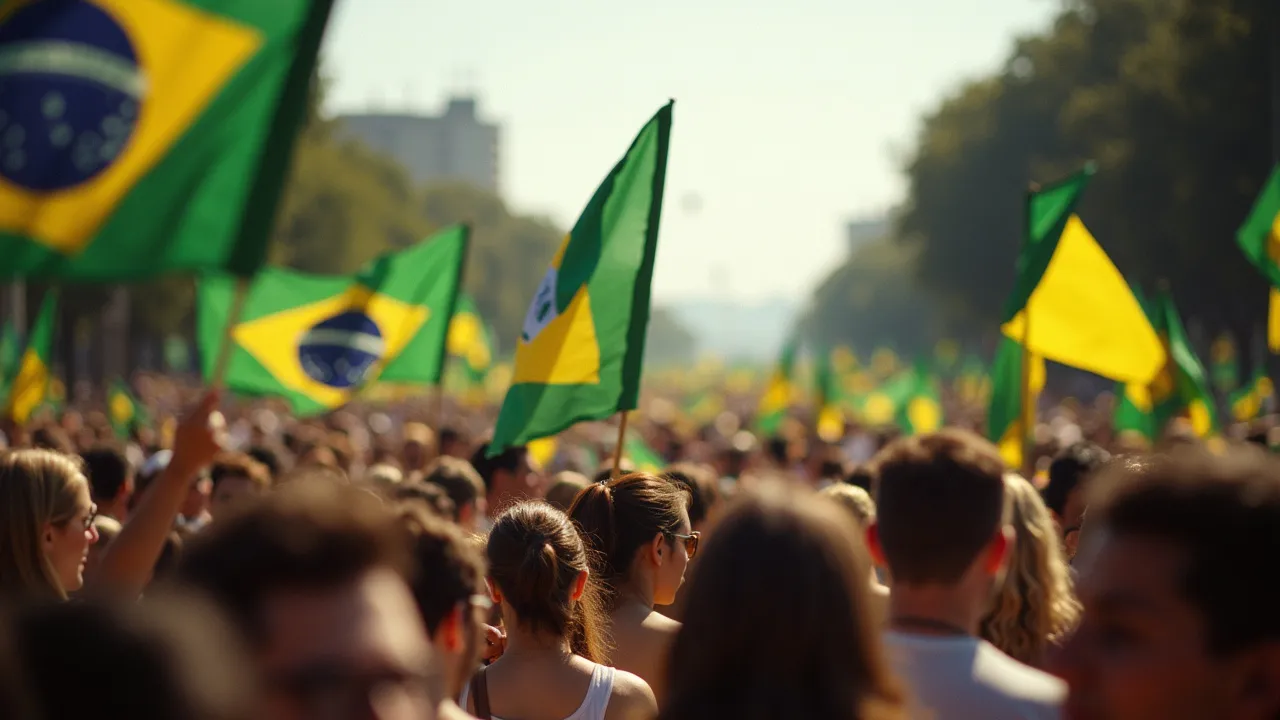
Brazil's Independence Day, celebrated on September 7th, marks the 1822 declaration of independence from Portugal. It features military parades, patriotic displays, and nationwide festivities honoring national pride.
Historical Origins & Evolutionary Journey
Brazil's Independence Day commemorates the declaration of Brazil's independence from the United Kingdom of Portugal, Brazil and the Algarves on September 7, 1822. The event was proclaimed by Dom Pedro I, then Prince Regent of Brazil, on the banks of the Ipiranga River in São Paulo. This day is also known as Sete de Setembro or Dia da Pátria.
The Foundational Catalyst
The roots of Brazil's independence trace back to the Napoleonic Wars when the Portuguese royal family fled to Brazil in 1808, establishing Rio de Janeiro as the de facto capital of the Portuguese Empire. This elevated Brazil's status from a colony to a kingdom united with Portugal. After the royal family returned to Portugal in 1821, Dom Pedro remained in Brazil as regent. Portuguese courts attempted to revert Brazil to colonial status, triggering widespread discontent. Dom Pedro, swayed by nationalist sentiment and advised by figures like José Bonifácio, decided to stay, famously uttering "Fico" (I'm staying) on January 9, 1822. This led to a series of decrees that gradually severed ties with Portugal.
The Cry of Ipiranga
On September 7, 1822, while traveling from São Paulo to Santos, Dom Pedro received dispatches from Portugal demanding his return and the revocation of his autonomy. In a dramatic moment at the Ipiranga River, he reportedly drew his sword, tore the Portuguese insignia from his uniform, and shouted "Independência ou Morte!" (Independence or Death!). This act, known as the Cry of Ipiranga, is considered the official declaration of independence. He was crowned Emperor of Brazil on December 1, 1822.
Legislative & Official Adoption
The new nation was recognized by Portugal in 1825 after a diplomatic agreement mediated by Britain. The first official celebration of independence took place in 1823 in Rio de Janeiro. Over the decades, the date evolved into a national holiday with military parades, civic ceremonies, and patriotic displays. In 1889, Brazil became a republic, but the date remained the principal national day.
Modern Global Legacy
Today, Independence Day is celebrated across Brazil and by Brazilian diaspora worldwide. It serves as a symbol of sovereignty, unity, and national pride. The largest celebrations occur in Brasília, where the President reviews a grand military parade, and in São Paulo, at the Ipiranga Monument. The day is also marked by cultural performances, fireworks, and family gatherings. The meaning of independence continues to be reinterpreted, with contemporary discussions on democracy, citizenship, and social justice.
How to Celebrate Independence Day (Brazil)
Celebrating Brazil's Independence Day involves a mix of official events, informal gatherings, and personal expressions of patriotism. Below are key ways individuals, schools, and organizations can mark the day with authenticity and respect.
Official Ceremonies & Civic Participation
- Attend Military Parades: Major cities host parades featuring army, navy, air force, and police units. The largest is in Brasília at the Esplanada dos Ministérios, with the President in attendance. Arrive early to secure a good viewing spot.
- Flag Raising Ceremonies: Many municipalities hold a formal hoisting of the national flag accompanied by the national anthem. Join as a spectator or participant.
- Visit the Ipiranga Monument: In São Paulo, the Monument to the Independence of Brazil is a focal point. The site includes the Ipiranga Museum and the historic house where the declaration occurred.
Home & Family Traditions
- Decorate in Green and Yellow: Display the national colors (green, yellow, blue, white) via flags, bunting, balloons, and tablecloths.
- Prepare Traditional Foods: Serve typical Brazilian dishes like feijoada, churrasco, pão de queijo, and brigadeiros. Consider a family barbecue (churrasco) or a potluck with regional specialties.
- Watch the Presidential Address: The President delivers a national speech; many families gather to watch on television.
School & Community Events
- Patriotic Theater & Music Performances: Schools often organize plays recreating the Cry of Ipiranga, along with choral renditions of patriotic songs.
- Art & Essay Contests: Encourage students to create works inspired by independence, democracy, and citizenship.
- Neighborhood Parades: Some communities hold small-scale processions with local bands and children carrying flags.
Cultural & Digital Observances
- Attend Concerts: Many cities host free concerts featuring samba, forró, and MPB (Música Popular Brasileira).
- Share on Social Media: Post images with the hashtag #IndependênciaDoBrasil or #SeteDeSetembro , but ensure respectful content.
- Learn Brazilian History: Read books, watch documentaries, or visit museums to deepen understanding of the independence process.
Global Impact & Diaspora Celebrations
Brazilian communities abroad also celebrate Independence Day with enthusiasm, maintaining cultural ties and introducing local populations to Brazilian traditions.
Celebrations in the United States
- New York City: The Brazilian Day Festival in Little Brazil (46th Street) draws hundreds of thousands with live music, dance, and food.
- Boston & Miami: Parades and festivals in areas with large Brazilian populations feature capoeira demonstrations and samba performances.
Celebrations in Europe
- London: A family fair at a large park includes Brazilian food stalls, football matches, and a flag ceremony.
- Lisbon: As Portugal holds a special historical connection, Brazilians in Portugal organize cultural exchanges and academic lectures about independence.
Global Cultural Export
The day also serves as a platform for promoting Brazilian music, cuisine, and tourism. Many embassies host receptions for local dignitaries and business partners, fostering trade and diplomatic relations.
Cultural Significance & National Identity
Independence Day is deeply interwoven with Brazilian national identity. It reinforces the collective memory of the birth of the nation and the values of autonomy and sovereignty.
Symbols & Icons
The national flag, adopted in 1889, is prominently displayed. Its colors—green for forests, yellow for gold, blue for the sky and rivers, and white for peace—are ubiquitous. The national anthem, composed by Joaquim Osório Duque Estrada, is sung with fervor.
Regional Variations
While the official celebrations are uniform across the country, local customs add flavor. In the Northeast, for example, celebrations may include forró dancing and regional foods. In the South, churrasco and gaucho traditions are highlighted. The Amazon region often incorporates indigenous cultural performances.
Civic Education
The day is used to instill patriotism and civic pride. Schools organize lessons on the independence process, emphasizing the roles of key figures like Dom Pedro I, José Bonifácio, and Maria Quitéria (a female soldier). It is also a moment to reflect on the ongoing struggle for equality and social justice, as the original independence did not immediately abolish slavery or include all segments of society.
Economic Impact & Public Life
Independence Day affects economic activities and public services across Brazil. It is a national holiday, meaning most businesses, banks, and government offices are closed. However, certain sectors thrive.
Retail & Hospitality
- Event Supplies: Sales of flags, t-shirts, and party decorations spike.
- Food & Beverage: Restaurants and bars, especially those offering traditional Brazilian cuisine, see increased patronage.
- Tourism: Cities with major parades, like Brasília and São Paulo, attract domestic tourists. The Ipiranga Monument area draws visitors.
Transportation
Public transport often runs on a holiday schedule, with reduced frequencies. Roads to parade venues can be congested. Some intercity buses and flights may have adjusted timetables.
Media & Advertising
Television networks broadcast the parade and air special patriotic programming. Advertisers leverage the nationalistic sentiment with campaigns featuring green and yellow themes.
Modern Observances & Contemporary Relevance
In the 21st century, Independence Day has evolved beyond a mere historical commemoration. It is a platform for political expression, cultural reaffirmation, and community building.
Political & Social Activism
In recent years, the day has seen political rallies organized by various groups, from conservative movements advocating for national pride to progressive groups calling for social reforms. The mixing of patriotic sentiment with political discourse reflects Brazil's dynamic democracy.
Digital Era Celebrations
Social media campaigns, live streams of the parade, and virtual events allow Brazilians worldwide to connect. The Brazilian government often releases digital educational materials about the history of independence.
Environmental & Indigenous Dimensions
Increasingly, the celebration includes discussions about environmental conservation and the contributions of indigenous peoples to the nation's heritage. Some events incorporate rituals and knowledge from native communities.
Historical Timeline
Portuguese royal family arrives in Brazil, elevating its status to kingdom.
King João VI returns to Portugal; Dom Pedro remains as regent in Brazil.
Dom Pedro declares 'Fico' (I stay), defying Portuguese orders to return.
The Cry of Ipiranga: Dom Pedro proclaims Brazil independent.
Dom Pedro is crowned Emperor Pedro I of Brazil.
First official celebration of Independence Day on September 7.
Portugal recognizes Brazil's independence with the Treaty of Rio de Janeiro.
Brazil becomes a republic; Independence Day remains the national day.
Centennial of independence celebrated with the International Exposition in Rio de Janeiro.
Sesquicentennial (150 years) celebrations include major parades and cultural events.
Bicentennial (200 years) of independence marked with large-scale festivities and historical retrospectives.