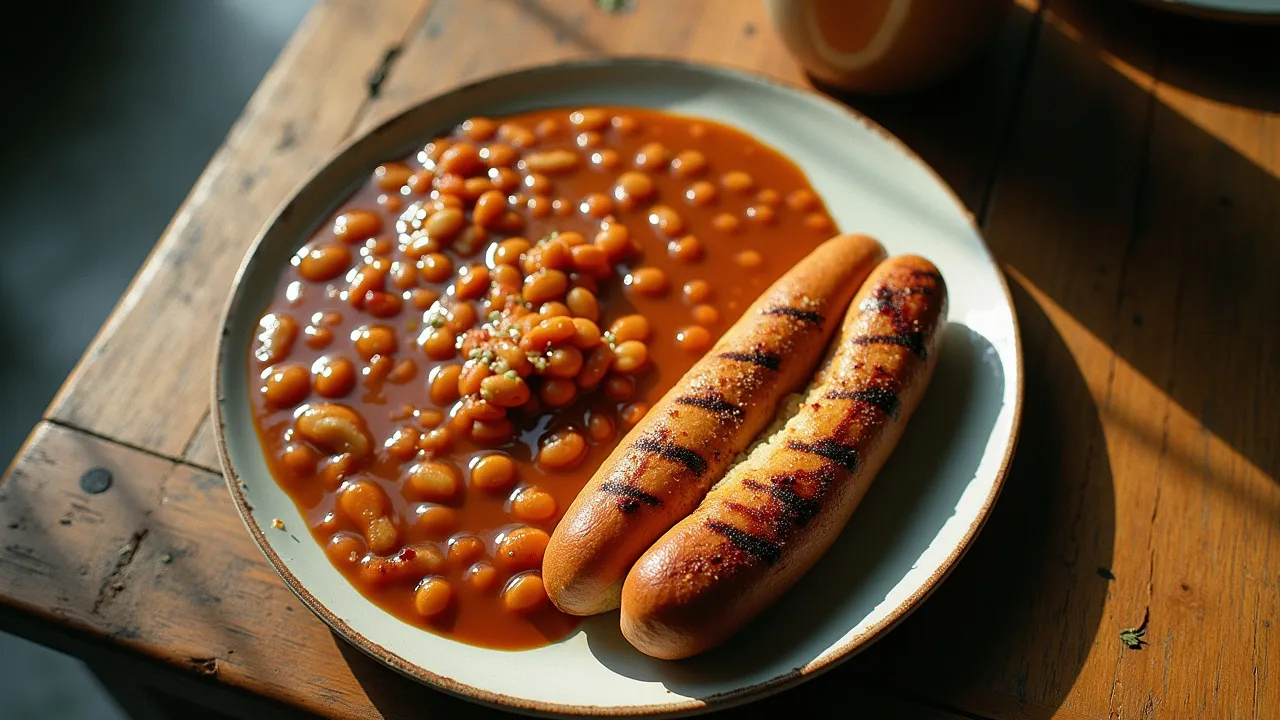
National Beans 'N' Franks Day, observed on July 13th, celebrates the classic comfort food pairing of baked beans and hot dogs. This unofficial holiday honors a quintessentially American dish often enjoyed at cookouts and family gatherings.
The Historical Origins & Evolutionary Journey
National Beans 'N' Franks Day, celebrated annually on July 13th, pays homage to a humble yet iconic American dish: baked beans paired with frankfurters. While the exact origins of this observance are unclear, the combination of beans and hot dogs has deep roots in American culinary history, dating back to the early 20th century when both staples became widely accessible.
The Foundational Catalyst
The pairing of beans and franks emerged from practicality and economy. Canned baked beans, introduced by companies like Heinz in 1904, provided an affordable, shelf-stable protein source. Hot dogs, popularized by German immigrants at street stands and baseball games, became the perfect companion. By the 1950s, recipes like "beans and franks" appeared in cookbooks, often as a quick weeknight meal or potluck dish. The convenience of opening a can of beans and heating up hot dogs resonated with busy families, cementing the duo as a comfort food staple.
The Legislative/Official Adoption
Unlike official federal holidays, National Beans 'N' Franks Day is an unofficial observance promoted by food enthusiasts and calendar companies. It gained traction in the early 2000s through social media and food blogs. The National Day Calendar, a popular reference, likely designated July 13th to capitalize on summer cookout season. There is no congressional resolution; rather, it represents grassroots appreciation for this nostalgic meal.
Modern Global Legacy
Today, the day is celebrated across the United States with backyard barbecues, church suppers, and school cafeteria menus. Variations include adding barbecue sauce, cheese, or bacon. Internationally, similar pairings exist—like the British "bangers and beans"—but the American version remains distinct. The observance continues to evolve, with modern twists such as gourmet smoked sausages and artisan baked beans appearing at food festivals.
How to Celebrate National Beans 'N' Franks Day
This day is about embracing simplicity and nostalgia. Whether you prefer traditional canned beans or homemade recipes, here are ways to celebrate individually, with family, or in community settings.
At Home
- Cook a classic one-pot meal: combine canned baked beans with sliced hot dogs, simmer, and serve with crusty bread.
- Try a healthier version using turkey franks and low-sodium beans.
- Organize a "franks and beans" potluck with friends.
For Schools and Organizations
- Plan a themed lunch: serve bean-and-frank casserole with coleslaw.
- Host a history lesson on the origins of canned foods and sausage-making.
- Create a fundraising event selling plates of beans and franks.
Social Media Engagement
- Share photos using #NationalBeansNFranksDay.
- Post your favorite recipe or family tradition.
- Support local hot dog vendors and bean producers.
For those seeking a gourmet twist, consider artisanal sausages paired with slow-cooked boston baked beans, or a vegetarian version using plant-based franks and lentils. The key is to enjoy this comfort food with gratitude for its place in American culture.
Culinary Variations Around the World
While the beans-and-franks duo is most associated with the United States, many cultures have their own interpretations.
United Kingdom: Bangers and Beans
In Britain, sausages (bangers) are often served with baked beans as part of a full English breakfast or a quick lunch. Heinz baked beans are the norm, typically paired with grilled sausages.
Canada: Bean Salad and Hot Dogs
Canadians enjoy a cold bean salad (with kidney beans, chickpeas, and green beans) alongside grilled hot dogs at summer cookouts.
Germany: Bockwurst with Beans
Germans sometimes serve bockwurst with a side of white beans stewed with bacon and mustard, reflecting their love for hearty sausages.
Brazil: Feijoada and Sausages
Brazilian feijoada (black bean stew) often includes sausages like linguica, though it's not the same as franks. Still, the bean-sausage pairing is central.
These variations show how universal the combination of legumes and processed meat can be, adapted to local tastes and ingredients.
Nutritional Aspects and Cultural Impact
Beans and franks are often criticized for being high in sodium and fat, yet they offer surprising nutritional benefits when consumed mindfully.
Nutritional Profile
- Beans are rich in fiber, protein, and B vitamins. One cup of baked beans contains about 12 grams of fiber.
- Hot dogs provide protein but are high in saturated fat and sodium. Turkey or chicken franks are lower-fat alternatives.
- Pairing beans with franks creates a complete protein, making it a more balanced meal than either alone.
Cultural Significance
This dish evokes nostalgia for many Americans—canned beans remind them of childhood camping trips, and hot dogs recall baseball games. It represents resourcefulness during tough economic times, as both ingredients are affordable. The day also highlights the ongoing debate between convenience and homemade food, as store-bought versus from-scratch beans stir passionate opinions.
Traditional vs. Modern Recipes
The classic recipe has evolved, but the core remains simple: beans and franks.
Traditional Recipe
- Ingredients: 1 can baked beans, 4 hot dogs (sliced), 2 tbsp brown sugar, 1 tsp mustard.
- Combine in saucepan, simmer 10 minutes, serve.
Modern Twist
- Use smoked andouille sausage instead of hot dogs.
- Add diced onions, bell peppers, and chipotle for a Tex-Mex flavor.
- Bake the mixture with a cornbread topping for a hearty casserole.
- Serve over rice or quinoa for a gluten-free option.
Modern versions often incorporate global spices (curry powder, cumin) and healthier beans (black beans, navy beans). Some chefs deconstruct the dish: bean puree on brioche with a grilled frankfurter. The versatility ensures the dish remains relevant.
Economic and Industry Impact
National Beans 'N' Franks Day, while unofficial, has economic implications for the canned bean and hot dog industries.
Sales Boost
Food manufacturers and retailers often run promotions around July 13th. Canned bean sales increase by up to 15% during July, partly due to this day. Hot dog sales peak around Independence Day and continue through the summer.
Marketing Strategies
Brands like Heinz and Oscar Mayer have leveraged the day with social media campaigns and limited-time offers. Local grocers create end-cap displays featuring beans and franks together.
Support for Small Businesses
Artisan sausage makers and small-batch bean producers benefit from consumer interest in premium versions. Farmers markets see increased demand for fresh sausage and heirloom beans.
Despite its unofficial status, the day contributes to summer food retail cycles and reinforces consumer habits around comfort foods.
Historical Timeline
Heinz introduces canned baked beans, making them a household staple.
The first Coney Island hot dog stand popularizes franks as fast food.
Beans and franks become a common casserole in suburban American homes.
Food blogs and social media begin promoting National Beans 'N' Franks Day on July 13th.
National Day Calendar lists July 13th as National Beans 'N' Franks Day, increasing awareness.
Oscar Mayer runs a #NationalBeansNFranksDay campaign, encouraging user-generated recipes.