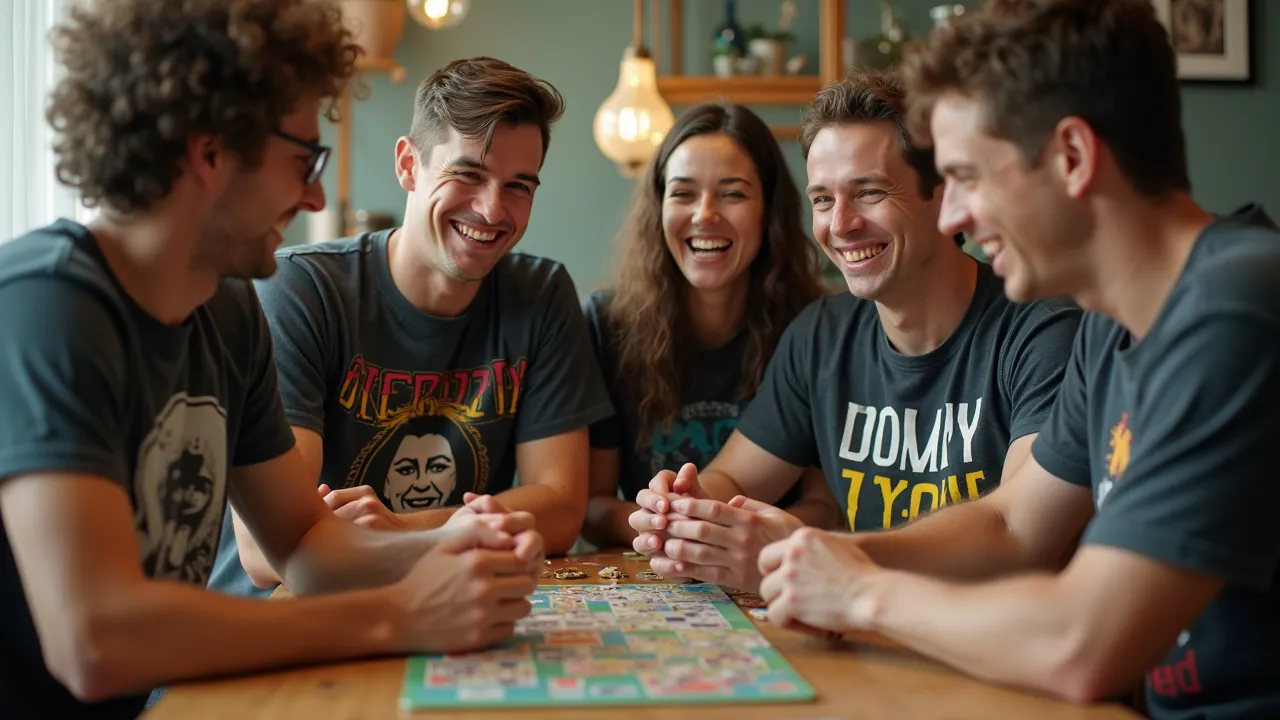
Embrace Your Geekness Day, observed on July 13th, is a celebration of geek culture, interests, and communities. It encourages everyone to proudly display their passions for technology, comics, gaming, and sci-fi without embarrassment.
Historical Origins & Evolutionary Journey
Embrace Your Geekness Day is a relatively modern observance that emerged from the shifting sands of cultural identity. Unlike ancient festivals, its roots lie in the late 20th-century reclamation of the word 'geek' from a pejorative term to a badge of honor. The exact date of July 13th was chosen by online communities in the early 2000s as a day to unabashedly celebrate niche passions.
The Foundational Catalyst
The term 'geek' originally referred to circus performers who bit the heads off chickens. By the 1980s, it was used to describe socially awkward individuals obsessed with technology or arcane subjects. The rise of personal computing and the internet created a community of enthusiasts who began to gather online. Forums like Usenet and early bulletin board systems fostered a sense of shared identity. This subculture gained visibility through events like the first Comic-Con in 1970 and the release of Star Wars in 1977, which spawned a new kind of fandom.
Legislative/Official Adoption
No government has officially proclaimed Embrace Your Geekness Day. Instead, it gained traction through social media and geek-oriented websites. The day is often recognized by organizations like the National Day Calendar, which lists it as an unofficial holiday. Its adoption is entirely grassroots, driven by the very communities it celebrates.
Modern Global Legacy
Today, geek culture is a global phenomenon. Movies based on comic books dominate box offices, video games rival Hollywood in revenue, and conventions draw millions. Embrace Your Geekness Day serves as a reminder that passions once considered niche are now pillars of mainstream entertainment. It encourages introspection on how far society has come in accepting diverse interests.
How to Celebrate Embrace Your Geekness Day
Celebrating this day is about authenticity and joy. Whether you are a seasoned enthusiast or just discovering your inner geek, there are many ways to participate. The key is to share your interests without fear of judgment.
Individual Celebrations
- Binge-watch a favorite series: Dedicate time to a beloved sci-fi or fantasy show like Star Trek or Doctor Who.
- Read a comic or graphic novel: Visit a local comic shop and pick up a new issue or classic trade.
- Play a board game or video game: Organize a solo marathon or invite friends for multiplayer fun.
- Dress up: Wear a T-shirt from a geeky franchise or cosplay as a favorite character at home.
School and Corporate Activities
- Host a trivia contest: Quiz colleagues or classmates on geek topics like movie trivia, tech history, or game lore.
- Organize a dress-down day: Encourage everyone to wear geek-themed attire.
- Set up a 'geek corner': Create a space with LEGO, puzzles, or retro video games for breaks.
- Invite a speaker: Arrange for a local cosplayer, game designer, or tech innovator to talk about their passion.
International Traditions
While primarily a US observance, online communities worldwide have adopted July 13th. In Japan, fans often combine it with Cosplay Day. In the UK, some pubs host geek-themed quizzes. In Germany, tabletop gaming cafes offer special discounts. The unifying theme is celebration of intellect and imagination, transcending language and culture.
The Rise of Geek Culture: From Niche to Mainstream
The transformation of geek culture from a fringe subculture to a dominant force in entertainment and technology is one of the most significant social shifts of the last half-century. This section explores the key milestones.
The Birth of Fandoms
In the 1970s, fan communities coalesced around Star Trek and Star Wars. Organized fan clubs, 'zines, and early conventions provided a haven for enthusiasts. The internet accelerated this, allowing fans to connect globally. The term 'geek' began to lose its negative connotation as these communities gained economic power.
Geek Tech Revolution
The rise of personal computing and the internet in the 1990s turned 'computer geeks' into influential figures. Innovators like Bill Gates and Steve Jobs were celebrated as visionaries. Tech companies began marketing to 'geeks' as early adopters. The dot-com boom further validated geek interests as lucrative and world-changing.
Mainstream Integration
Today, geek culture is synonymous with pop culture. Superhero movies are among the highest-grossing films. Video game tournaments fill stadiums. Comic-Con is a celebrity hotspot. The once-derided 'geek' is now a coveted identity, reflecting deep knowledge and passion for specialized subjects.
Geek Domains: Technology, Comics, Gaming, and Sci-Fi
Embrace Your Geekness Day encompasses a wide array of interests. Below are the core domains that define modern geek culture.
Technology
From building PCs to coding software, technology enthusiasts are at the heart of geekdom. This includes hardware hobbyists, developers, cybersecurity experts, and gadget collectors. Their contributions drive innovation and shape how we interact with the world.
Comics and Graphic Novels
Comics are a rich storytelling medium. Superhero comics from Marvel and DC are iconic, but independent comics and graphic novels like Maus and Persepolis have earned literary acclaim. Comic conventions and local shops serve as community hubs.
Gaming
Video games and tabletop games like Dungeons & Dragons are pillars of geek culture. Gaming fosters strategic thinking, creativity, and social interaction. E-sports and streaming platforms like Twitch have turned gaming into a spectator sport.
Sci-Fi and Fantasy
Science fiction and fantasy literature, film, and television explore imaginative worlds and futuristic concepts. Franchises like Star Wars, Lord of the Rings, and Harry Potter have massive global followings. This genre inspires scientific curiosity and philosophical debate.
Economic Impact of Geek Interests
Geek culture is big business. The collective spending power of fans drives a multi-billion dollar industry spanning media, merchandise, and events.
- Box Office: Superhero movies consistently top annual box office charts. The Marvel Cinematic Universe alone has grossed over $28 billion worldwide.
- Gaming: The global video game market was valued at $196 billion in 2022. Tabletop gaming is also growing, with a $12 billion market.
- Comics: The comic book industry generated over $1.5 billion in North America in 2021.
Conventions and Trade Shows
Events like San Diego Comic-Con, E3, and Gamescom attract hundreds of thousands of attendees. They generate significant tourism revenue and serve as launchpads for new products. Smaller local conventions also contribute to community economies.
Merchandising and Licensing
From action figures to apparel, geek-themed merchandise is ubiquitous. Licensing deals allow franchises to extend into every aspect of consumer life. The demand for collectibles has created a thriving secondary market for rare items.
Community and Identity: The Social Aspect of Geekness
Geek culture is inherently social. Shared interests form the basis of lasting friendships and supportive communities, especially for individuals who may feel marginalized elsewhere.
Online Communities
Platforms like Reddit, Discord, and Twitter host vibrant geek communities. Subreddits dedicated to specific interests (e.g., r/startrek, r/boardgames) facilitate discussion, fan art sharing, and event planning. Online spaces allow fans to connect across geographic boundaries.
Local Clubs and Meetups
In-person gatherings remain vital. Local game stores (LGS) often host game nights. Book clubs for sci-fi/fantasy, hackathons for coders, and maker fairs for inventors provide face-to-face interaction. Meetup.com lists thousands of geek-oriented groups worldwide.
Inclusivity and Diversity
Geek communities are increasingly aware of inclusivity issues. Movements like #ComicsGate and efforts to diversify characters have sparked important conversations. Many groups actively promote welcoming environments for women, LGBTQ+ individuals, and people of color. The ethos of 'geek' now often champions acceptance and individuality.
Embracing Your Geekness: Psychological and Social Benefits
Openly embracing one's geek interests can have profound positive effects on mental health and social wellbeing. This section outlines the benefits.
Self-Acceptance
Identifying as a geek fosters a sense of belonging. It allows individuals to be authentic about their passions, reducing cognitive dissonance and boosting self-esteem. Celebrating Embrace Your Geekness Day reinforces that it is okay to be passionate about niche subjects.
Building Skills
Geek pursuits often develop valuable skills. Gaming can improve problem-solving and teamwork. Coding teaches logical thinking. Building models or cosplay hones craftsmanship. These hobbies also enhance digital literacy and creativity.
Social Connections
Shared interests are the bedrock of strong social bonds. Geek communities provide a sense of family for many. They offer emotional support, networking opportunities, and a safe space to express oneself. The friendships formed through geek culture can last a lifetime.
Historical Timeline
Superman debuts in Action Comics #1, sparking the superhero genre and early comic book fandom.
The first San Diego Comic-Con is held, attracting 300 attendees and laying the groundwork for modern fan conventions.
Dungeons & Dragons is published, pioneering tabletop role-playing games and creating a dedicated community.
Star Wars is released, launching a global sci-fi phenomenon and transforming fandom into a mainstream movement.
The World Wide Web is invented, enabling global online communities where geeks can connect and share interests.
The term 'geek' begins to be widely reclaimed as a positive identity; Embrace Your Geekness Day is unofficially established by online communities.
The Marvel Cinematic Universe begins with Iron Man, leading to a new era of superhero films dominating pop culture.
During the COVID-19 pandemic, geek activities like gaming and streaming surge, highlighting the importance of digital communities.