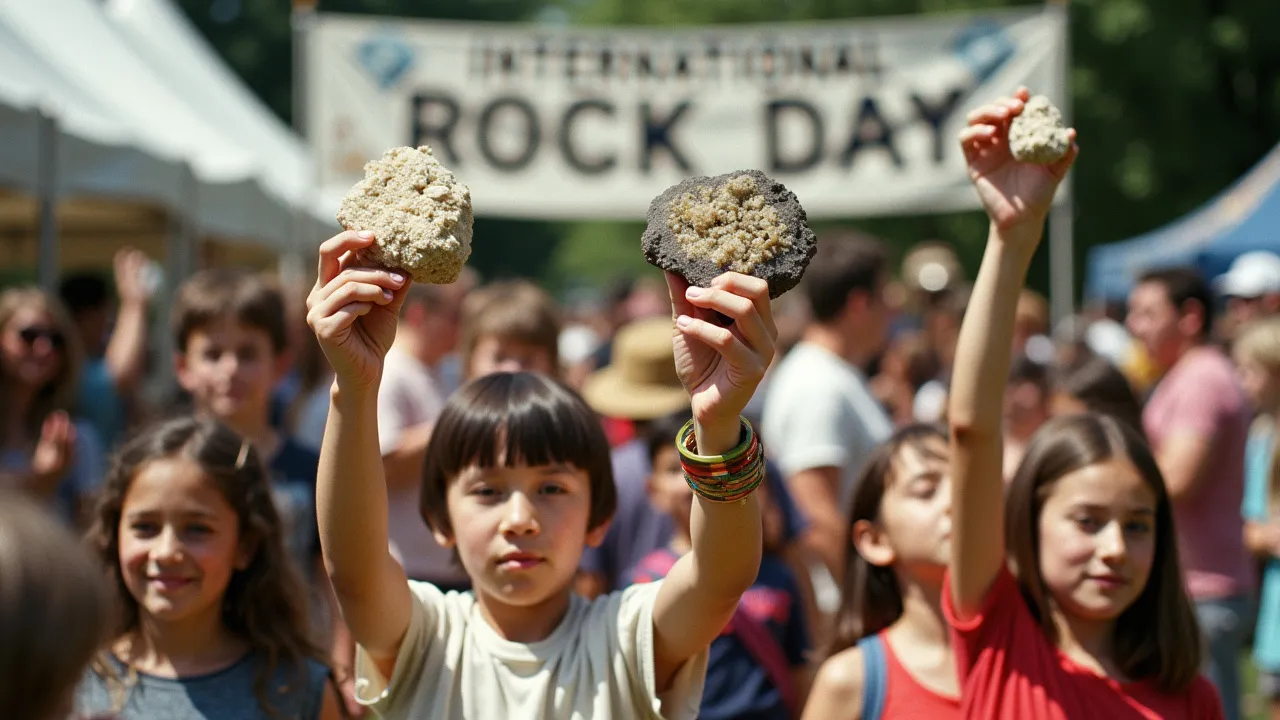
Celebrated annually on July 13th, International Rock Day honors both the geological wonders of our planet and the enduring legacy of rock music. From museum exhibits to concerts, it's a day to appreciate rocks in all forms.
History and Origins
International Rock Day, observed annually on July 13th, has a dual heritage that intertwines the love for rock music and the fascination with geological formations. The day was first informally celebrated in 1977 when a group of music fans in the United Kingdom organized a small gathering to honor the birth of rock and roll, which had exploded in the 1950s. Meanwhile, the geological community saw an opportunity to promote earth science education. The date July 13th was chosen because it sits roughly midway between the summer solstice and the autumnal equinox, symbolizing balance—much like the stability of rocks.
The Musical Catalyst
The 1970s were a golden era for rock music. Bands like Led Zeppelin, Pink Floyd, and The Rolling Stones were dominating airwaves. The founders of International Rock Day, a loose coalition of DJs and record store owners, wanted a day to celebrate the genre's rebellious spirit. The first official celebration featured a marathon of classic rock albums at a small venue in London. By the 1980s, radio stations worldwide had adopted the day, playing listener-requested rock anthems.
The Geological Connection
Simultaneously, geologists saw an opportunity to raise awareness about earth's history. Rocks tell the story of our planet—from the formation of the Earth 4.6 billion years ago to the tectonic shifts that shape continents. Museums began offering free exhibits on July 13th, showcasing rare minerals and fossils. The day evolved into a celebration of both the natural world and human creativity.
Official Recognition
In 1990, the United Nations Educational, Scientific and Cultural Organization (UNESCO) informally acknowledged International Rock Day as a day to promote both cultural heritage and earth sciences. While never declared an official holiday, it gained widespread traction through grassroots efforts.
How to Celebrate International Rock Day
International Rock Day offers countless ways to participate, whether you're a music lover, a geology enthusiast, or just looking for family fun. Here is a definitive guide to celebrating globally.
For Music Aficionados
- Host a Rock Album Listening Party: Gather friends and spin classic albums like 'Dark Side of the Moon' or 'Rumours'. Use a high-quality sound system to appreciate the nuances.
- Attend a Live Concert: Many cities host free outdoor rock concerts on July 13th. Check local venues for tribute bands or emerging rock acts.
- Create a Rock Playlist: Compile songs from different subgenres: hard rock, punk, alternative, and indie. Share on streaming platforms.
For Geology Buffs
- Visit a Natural History Museum: Many museums offer special rock and mineral exhibits on this day. Touch a meteorite or view a giant amethyst geode.
- Go Rockhounding: Head to a nearby riverbed or quarry to collect interesting stones. Ensure you have permission and follow safety guidelines.
- Learn to Identify Rocks: Use a field guide or app to classify your finds. Igneous, sedimentary, and metamorphic rocks each tell a unique story.
School and Community Activities
- Rock Painting: Decorate smooth stones with positive messages and hide them around the neighborhood for others to find.
- Geology Workshops: Local libraries often host educational sessions on fossil identification or gemstone polishing.
- Battle of the Bands: Schools can organize student rock concerts, encouraging young musicians to perform.
In Japan, the day is celebrated with 'Rock Fes'—large outdoor festivals blending rock music with traditional taiko drumming. In Brazil, samba-rock fusion parties are common. No matter where you are, the key is to appreciate the solid foundation rocks provide—both musically and geologically.
Cultural Impact and Global Reach
International Rock Day has transcended its humble beginnings to become a global phenomenon. Here, we explore its influence on music, education, and tourism.
Reviving Vinyl Records
The day has spurred a resurgence in vinyl record sales. Collectors hunt for rare pressings, and record stores often hold sales. This analog revival connects new generations with the tactile experience of music.
Geotourism
Geological sites see a spike in visitors on July 13th. National parks like the Grand Canyon or Giant's Causeway offer guided tours focusing on rock formations. This eco-friendly tourism boosts local economies while educating the public.
Social Media Movements
Hashtags like #InternationalRockDay and #RockDay trend globally. Users share photos of their favorite rocks or rock band merch. The day fosters a sense of community among enthusiasts of all ages.
The Science of Rocks
To fully appreciate International Rock Day, understanding the science behind rocks is essential. Rocks are aggregates of minerals, and their study reveals Earth's dynamic history.
Types of Rocks
- Igneous: Formed from cooled magma or lava. Examples: granite, basalt.
- Sedimentary: Created from compressed sediments. Examples: limestone, sandstone.
- Metamorphic: Altered by heat and pressure. Examples: marble, slate.
The Rock Cycle
The rock cycle illustrates how rocks transform over millions of years. For instance, through plate tectonics, sedimentary rock can be subducted and metamorphosed into metamorphic rock, then melted into magma, only to cool as igneous rock again. This cycle is a cornerstone of geology education.
International Rock Day encourages schools to incorporate hands-on rock identification and even simple experiments like growing crystals.
Rock Music: A Genre That Defined Generations
Rock music evolved from rhythm and blues in the 1950s and has since branched into numerous subgenres. Its influence on fashion, politics, and culture is immeasurable.
The Golden Age (1960s-1970s)
Bands like The Beatles and The Who pioneered the British Invasion. Woodstock in 1969 solidified rock as a voice for social change. The 1970s brought hard rock and heavy metal with bands like Black Sabbath.
The Digital Era (1990s-2000s)
Grunge, alternative, and indie rock emerged. Nirvana's 'Nevermind' changed the landscape. Today, rock continues to evolve with electronic influences and global fusion.
International Rock Day highlights this evolution through special radio documentaries and museum exhibits on rock history.
Modern Celebrations and Traditions
Today, International Rock Day is celebrated with virtual events, community rock gardens, and even space-themed activities. NASA occasionally participates by sharing images of rocks from the Moon or Mars.
Unique Traditions Around the World
- USA: The Rock and Roll Hall of Fame in Cleveland offers free admission and hosts special performances.
- UK: Glastonbury-like smaller festivals pop up in fields and pubs.
- Australia: Beach rock hunts are popular, searching for fossils in coastal cliffs.
With the rise of virtual reality, some museums now offer 3D tours of their rock collections, making the day accessible to everyone.
Historical Timeline
Rock and roll music begins to gain mainstream popularity with Bill Haley's 'Rock Around the Clock'.
First informal International Rock Day celebration held in London, combining rock music and geology appreciation.
Radio stations nationwide begin adopting the day, playing classic rock all day on July 13th.
UNESCO informally recognizes International Rock Day as a cultural and educational event.
The Rock and Roll Hall of Fame hosts its first official International Rock Day event.
Social media platforms trend #InternationalRockDay for the first time, with millions of posts.
Virtual celebrations become widespread due to the pandemic; online rock identification workshops and live-stream concerts.