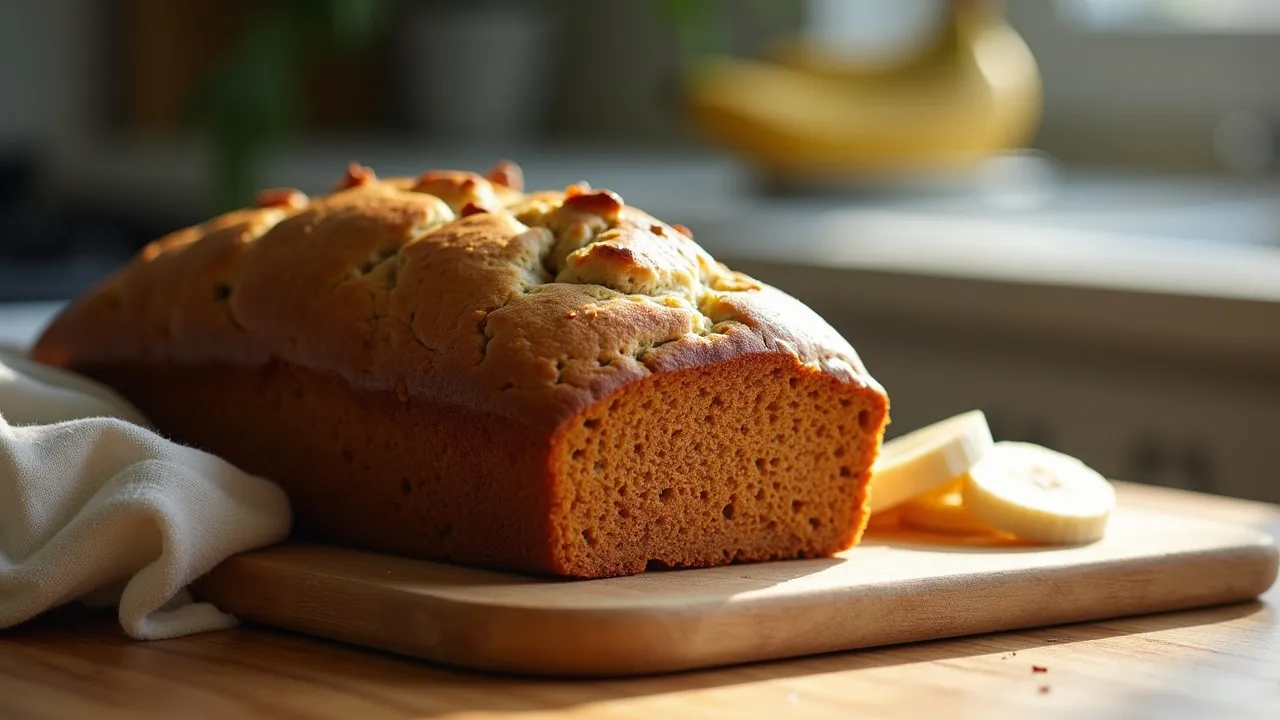
National Banana Bread Day is observed annually on February 23rd, celebrating the beloved moist quick bread made from overripe bananas. This day honors the history, cultural impact, and endless variations of this comforting baked good.
The Historical Origins & Evolutionary Journey of Banana Bread
Banana bread traces its roots to the Great Depression era of the 1930s when resourceful home bakers sought to avoid wasting overripe bananas. The invention of baking powder and baking soda made quick breads possible, and banana bread emerged as a sweet, moist treat that used humble ingredients.
The Foundational Catalyst: Depression-Era Economy
During the 1930s, households faced food shortages and high prices. Bananas, imported from Central America, were relatively affordable but ripened quickly. Cooks began mashing the spotty, soft fruit into batter to create a dense, sweet loaf. The earliest published banana bread recipe appeared in Pillsbury's Balanced Recipes in 1933, followed by variations in community cookbooks.
Post-War Popularity and Commercialization
After World War II, banana bread gained mainstream popularity. The 1950s saw the rise of convenience foods, and recipes often called for pre-sifted flour and margarine. Chiquita Brands International promoted banana bread as a perfect use for ripe bananas. By the 1960s, banana bread became a staple of American home baking, often passed down through families.
Modern Global Legacy
In the 21st century, banana bread experienced a resurgence during the COVID-19 pandemic, when home baking surged. Social media platforms like TikTok and Instagram fueled trends for add-ins like chocolate chips, nuts, and cream cheese. Today, banana bread is celebrated globally, with variations incorporating local flavors such as matcha, coconut, and spices. National Banana Bread Day, observed on February 23rd, honors this evolution and encourages bakers to share their creations.
How to Celebrate National Banana Bread Day
National Banana Bread Day offers a perfect excuse to bake, share, and enjoy this classic comfort food. Here are comprehensive ways to celebrate, from personal rituals to community events.
Individual Celebrations
- Bake a classic banana bread using your family recipe or try a new variation like gluten-free, vegan, or protein-packed loaf.
- Set up a banana bread tasting session with different add-ins: walnuts, dark chocolate, dried cranberries, or a swirl of peanut butter.
- Gift mini loaves to neighbors, coworkers, or delivery drivers as a token of appreciation.
School and Workplace Activities
- Organize a banana bread bake-off: Colleagues or classmates bring in samples, and participants vote for the best loaf.
- Host a virtual baking class via Zoom to teach simple banana bread recipes, perfect for team-building or family gatherings.
- Create a banana bread recipe exchange: Encourage everyone to share their secret ingredient or technique.
Community and Social Media Engagement
- Post a photo of your creation using #NationalBananaBreadDay and tag local bakeries or influencers.
- Donate banana bread to a local food pantry or shelter. Many organizations welcome homemade goods, but check their policies first.
- Visit a bakery known for its banana bread and treat yourself to a slice with coffee.
Global Traditions and Variations
While February 23rd is widely recognized in the United States, other countries celebrate banana bread year-round with unique twists. In the Philippines, banana bread (often called 'banana loaf') is made with ripe saba bananas and sometimes includes ube. In the Caribbean, coconut and rum are common additions. In the United Kingdom, banana bread is often served with a cup of tea and glazed with icing sugar. No matter where you are, the core celebration involves savoring the wholesome, sweet taste of banana bread.
Health Benefits of Banana Bread
Banana bread, when made with wholesome ingredients, can offer several nutritional benefits. While it is a treat, mindful preparation can boost its health profile.
Nutritional Highlights
- Potassium: Bananas are rich in potassium, which supports heart health and muscle function. Each slice provides about 200 mg of potassium.
- Dietary Fiber: Whole wheat banana bread can offer 2-3 grams of fiber per slice, aiding digestion and satiety.
- Natural Sweetness: Overripe bananas reduce the need for added sugar, making banana bread lower in refined sugar than many other desserts.
Tips for Healthier Banana Bread
- Replace half the butter or oil with unsweetened applesauce or Greek yogurt to reduce fat and calories.
- Use whole wheat flour or almond flour for added fiber and protein.
- Incorporate nuts and seeds like walnuts or chia seeds for healthy fats and omega-3s.
- Reduce sugar by up to a third; the natural sweetness from very ripe bananas compensates.
Remember that banana bread is still a baked good best enjoyed in moderation. Pair a slice with a protein source like peanut butter for a balanced snack.
Cultural Impact and Global Spread
Banana bread has transcended its humble origins to become a global culinary icon. Its rise reflects broader trends in food culture, sustainability, and nostalgia.
Banana Bread as a Symbol of Resourcefulness
In many cultures, banana bread epitomizes waste-not cooking. It is a prime example of how home cooks repurpose overripe fruit rather than discard it, aligning with modern movements against food waste. The day itself reinforces this eco-friendly message.
Banana Bread in Media and Pop Culture
Banana bread frequently appears in cookbooks, TV shows, and movies as a comfort food. Notable figures like Martha Stewart and Ina Garten have popularized upscale versions. During the COVID-19 pandemic, banana bread became a viral sensation, symbolizing home baking and self-care. Search trends showed a 300% increase in interest for banana bread recipes in March 2020.
Regional Adaptations
- United States: Classic style with walnuts or chocolate chips; often paired with coffee.
- Caribbean: Spiced with cinnamon, nutmeg, and sometimes rum or coconut.
- Japan: Fluffy, cake-like texture; sometimes filled with red bean paste or matcha.
- Brazil: Bolo de banana (banana cake) includes cinnamon and sometimes cheese.
National Banana Bread Day serves as a unifying moment to appreciate these diverse expressions while honoring the classic American version.
Variations and Recipes for Every Palate
The beauty of banana bread lies in its versatility. Below are popular variations and a master recipe template to adapt.
Classic Banana Bread (Base Recipe)
Mash 3 overripe bananas. Mix with 1/3 cup melted butter, 3/4 cup sugar, 1 egg, 1 tsp vanilla. Fold in 1.5 cups flour, 1 tsp baking soda, pinch salt. Bake at 350°F for 55-60 minutes.
Popular Variations
- Chocolate Chip Banana Bread: Add 1 cup semi-sweet chocolate chips to the batter.
- Vegan Banana Bread: Substitute egg with flax egg (1 tbsp flaxseed meal + 3 tbsp water) and use coconut oil instead of butter.
- Gluten-Free Banana Bread: Use a 1:1 gluten-free flour blend and add 1 tsp xanthan gum if needed.
- Savory Banana Bread: Reduce sugar to 1/4 cup, add 1/2 cup shredded cheddar and 1/4 cup chopped jalapeños.
- Stuffed Banana Bread: Swirl in peanut butter, Nutella, or cream cheese before baking.
Pro Tips for Perfect Banana Bread
- Use very ripe bananas (brown spots are ideal) for maximum sweetness and moisture.
- Do not overmix the batter; stir until just combined to keep the bread tender.
- Line the loaf pan with parchment paper for easy removal.
Experiment with add-ins like dried fruit, coconut flakes, or spices to make the recipe your own.
Industry and Economic Influence of Banana Bread
Banana bread may seem like a simple homemade item, but its popularity drives economic activity across the banana supply chain, baking industry, and publishing sector.
Banana Production and Consumption
Bananas are one of the most consumed fruits globally, with over 100 billion eaten annually. The USDA reports that Americans consume about 27 pounds of bananas per person each year. A significant portion of these become overripe and are used in baking. National Banana Bread Day encourages consumers to buy bananas specifically for baking, boosting demand during a period that typically sees lower banana sales (late February).
The Baking Industry
Banana bread is a staple in coffee shops, bakeries, and grocery stores. Many chains produce thousands of loaves per week. The day also sparks increased sales of baking staples like flour, sugar, and chocolate chips, benefiting retailers and manufacturers.
Media and Publishing
Cookbook authors and food bloggers often release new banana bread recipes around this date. The observances drives traffic to recipe websites, cooking apps, and social media content, generating advertising revenue and affiliate sales for kitchen equipment.
Overall, while National Banana Bread Day is not a major holiday, its grassroots nature supports multiple sectors and highlights the economic power of food celebrations.
Historical Timeline
The first documented banana bread recipe appears in 'Pillsbury's Balanced Recipes' during the Great Depression, using baking powder as a leavening agent.
Banana bread becomes a staple in American households, with recipes appearing in major cookbooks and women's magazines. Chiquita promotes banana bread to reduce fruit waste.
Banana bread variations emerge, including nut and chocolate chip versions. The recipe is passed down through families and becomes a comfort food icon.
National Banana Bread Day begins appearing on food holiday calendars, likely promoted by baking enthusiasts and online communities. The date February 23rd is adopted.
During COVID-19 lockdowns, banana bread experiences a viral resurgence. Google searches for 'banana bread recipe' skyrocket, and social media is flooded with home bakers' creations.
National Banana Bread Day gains official recognition by various food blogs and organizations, solidifying February 23rd as the annual celebration date.