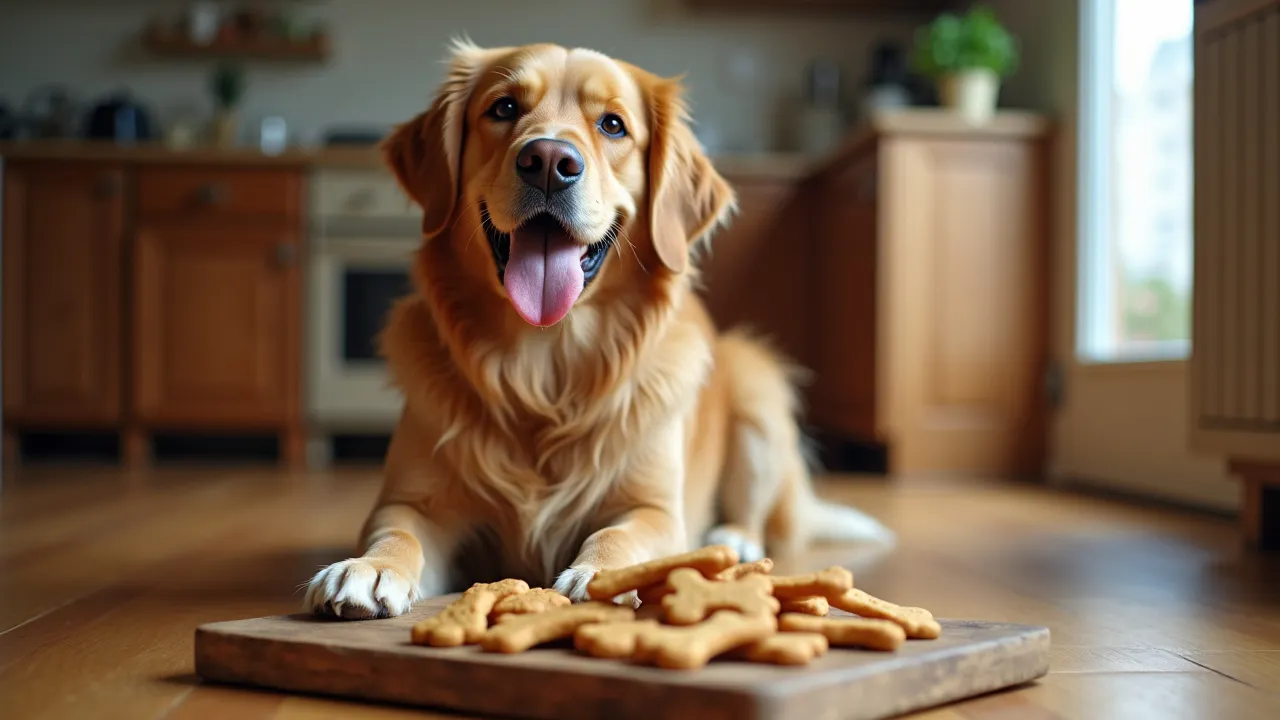
International Dog Biscuit Appreciation Day, observed on February 23rd, celebrates the beloved canine treat with a rich history and global traditions. Discover how this day honors the bond between dogs and their owners through homemade biscuits and community events.
The Historical Origins & Evolutionary Journey
International Dog Biscuit Appreciation Day, celebrated annually on February 23rd, honors one of the most iconic canine treats: the dog biscuit. While dogs have been fed biscuits for centuries, the modern dog biscuit as we know it emerged in the 19th century. The observance itself was founded in 1999 by Clara Paws, a passionate dog lover and entrepreneur from Ohio, USA, who wanted to create a day for owners to spoil their pets with healthy, homemade treats.
The Foundational Catalyst
The concept of a hard, baked dog treat dates back to the 1800s. James Spratt, an American electrician visiting England, created the first commercial dog biscuit in 1860 after watching dogs eat leftover hardtack from ships. His "Spratt's Patent Meat Fibrine Dog Cakes" were a blend of wheat, vegetables, and beef blood. This innovation laid the groundwork for the billion-dollar pet treat industry.
The Legislative/Official Adoption
Although International Dog Biscuit Appreciation Day is not a public holiday, it gained popularity through social media campaigns and pet food companies. In 2005, the Pet Food Institute endorsed the day, encouraging manufacturers to donate biscuits to shelters. By 2010, February 23rd was recognized by various pet-related organizations worldwide as a day to promote responsible treat-giving and canine dentistry.
Modern Global Legacy
Today, the day is celebrated in over 40 countries. From boutique bakeries in Japan to urban dog parks in Brazil, the tradition emphasizes quality ingredients and bonding. The day also highlights the importance of dental health, as crunchy biscuits help reduce plaque.
How to Celebrate International Dog Biscuit Appreciation Day
Celebrating this day can be as simple or elaborate as you wish. Here is the ultimate global guide to marking February 23rd with your furry friend.
Bake Homemade Biscuits
- Use dog-safe ingredients like whole wheat flour, peanut butter (xylitol-free), pumpkin, and oats.
- Cut into fun shapes using bone or paw-print cookie cutters.
- Involve children in the process to teach pet responsibility.
Organize a Neighborhood Dog Biscuit Exchange
- Invite neighbors with dogs to bake a batch and swap flavors.
- Vote on the best recipe and donate leftover biscuits to a local shelter.
Corporate & School Celebrations
- Pet stores: Offer free biscuit samples or host a decorating station.
- Schools: Incorporate a lesson on pet nutrition and let students design biscuit boxes.
- Offices: Allow dog-friendly days with a treat station.
Regional Variations
In Japan, biscuits are often infused with matcha or sweet potato. In Brazil, owners hold feasts with music and competitions for the biggest biscuit. United Kingdom sees pub owners offering free biscuits to patrons with dogs.
Global Impact & Cultural Significance
International Dog Biscuit Appreciation Day transcends mere treat-giving; it underscores the human-animal bond and the pet industry's economic influence. In 2023, global sales of dog treats exceeded $12 billion, with biscuits accounting for 40% of that market. This day boosts local economies, from small bakeries to large corporations.
Charitable Partnerships
Many animal shelters use February 23rd to run biscuit drives. For every bag sold, companies donate a portion to spay/neuter programs. The day also raises awareness about obesity in pets—emphasizing portion control and low-calorie recipes.
Educational Outreach
Veterinarians collaborate with pet stores to host free dental checkups, teaching owners how crunchy biscuits aid oral hygiene. In schools, children learn about reading ingredient labels to avoid harmful additives like onions or garlic.
Industry Evolution & Nutritional Science
Since James Spratt's first dog cake, the dog biscuit has evolved dramatically. Modern scientific understanding drives innovation in texture, flavor, and health benefits.
Ingredient Trends
- Grain-free options using chickpea or lentil flours.
- Superfood additions: blueberries, turmeric, coconut oil.
- Limited-ingredient diets for food sensitivities.
Production Technology
Baking processes now include vacuum drying to preserve nutrients and low-temperature extrusion for dental biscuits. The industry also embraces sustainability, using upcycled grains and eco-friendly packaging.
Regulatory Oversight
In the EU and US, dog biscuits must meet strict safety standards. The FDA's AAFCO guidelines ensure balanced nutrition—a far cry from the unregulated 19th-century treats.
Health Benefits & Safety Considerations
While biscuits bring joy, they must be given responsibly. Crunchy biscuits reduce tartar by up to 40% when fed daily, per veterinary studies. However, overfeeding leads to obesity, affecting 56% of dogs in the US.
Dangerous Ingredients
- Xylitol: Toxic to dogs, even in small amounts.
- Macadamia nuts: Can cause weakness and vomiting.
- Excessive salt: Leads to sodium ion poisoning.
Homemade vs. Store-Bought
Homemade allows control over ingredients but must be balanced; store-bought ensures nutritional consistency. Many owners now choose single-protein treats for sensitive stomachs.
The Future of Dog Biscuits & the Day
As pet humanization grows, so does the demand for premium, personalized biscuits. 3D printing of treats is emerging, allowing shape and nutrient customization. Virtual celebrations—such as biscuit-decorating live streams—expand the day's reach.
International Dog Biscuit Appreciation Day will likely see more corporate sponsorships and global events. Already, the day is trending on social media under #DogBiscuitDay, with millions of posts each year. The enduring appeal of a simple, crunchy reward—shared between human and best friend—ensures this observance remains a beloved tradition.
Historical Timeline
James Spratt invents the first commercial dog biscuit in London, England, sold as 'Spratt's Patent Meat Fibrine Dog Cakes'.
The American company Milk-Bone (originally F.H. Bennett Biscuit Company) introduces the first bone-shaped dog biscuit.
Clara Paws founds International Dog Biscuit Appreciation Day, celebrated on February 23rd in Ohio, USA.
The Pet Food Institute officially endorses the day, initiating nationwide treat donations to shelters.
The day gains international recognition; social media campaigns begin using #DogBiscuitDay.
Grain-free and organic dog biscuits become a major trend, spurred by the day's emphasis on health.
Virtual celebrations surge during the COVID-19 pandemic, with online biscuit-baking classes and pet parades.
Global dog treat sales reach $12 billion; International Dog Biscuit Appreciation Day is celebrated in over 40 countries.