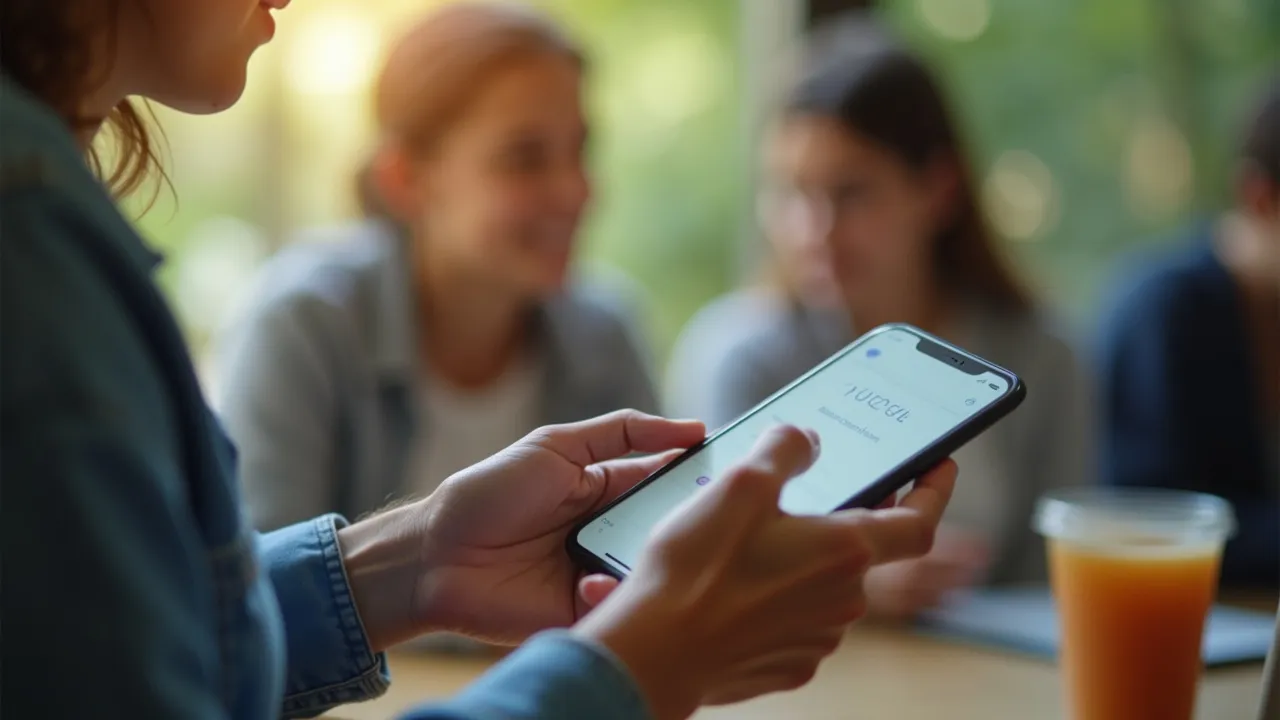
Microvolunteering Day, observed on April 15th, promotes small, quick volunteer actions that take just minutes but collectively create significant impact. Join millions worldwide in making a difference through bite-sized good deeds.
History & Origins of Microvolunteering Day
Microvolunteering Day was founded in 2013 by The Extraordinaires, a UK-based social enterprise dedicated to making volunteering accessible to everyone. The day was created to celebrate and encourage microvolunteering—small, quick, low-commitment volunteer actions that can be done anytime, anywhere, often via mobile devices.
The Foundational Catalyst
The concept emerged from the need to lower barriers to volunteering. Traditional volunteering requires significant time, training, and travel, which deters many. Microvolunteering breaks these barriers by offering tasks that take less than 30 minutes, such as:
- Signing an online petition
- Sharing a social media post for a cause
- Transcribing historical documents
- Designing a logo for a nonprofit
Legislative/Official Adoption
While not an official government holiday, Microvolunteering Day gained rapid grassroots traction. In 2014, the day was officially recognized by several volunteer organizations and featured on national calendars in the UK, US, and Australia. The United Nations Volunteers program endorsed the concept, highlighting its potential to engage younger generations.
Modern Global Legacy
Today, Microvolunteering Day is celebrated worldwide through online campaigns, corporate volunteering programs, and school projects. The day has inspired the creation of platforms like Sparked, HelpFromHome, and VolunteerMatch that specialize in bite-sized volunteering.
How to Celebrate Microvolunteering Day
Celebrating Microvolunteering Day is simple: perform one or more small volunteer actions. Below are actionable strategies for individuals, groups, and organizations.
For Individuals
- Lend your skills online—Create a logo for a nonprofit on Canva or proofread a grant proposal.
- Donate your digital space—Share a fundraising campaign on your social media feed.
- Contribute to citizen science—Help classify galaxies on Zooniverse or report bird sightings on eBird.
- Write a positive review—Review a local charity on Google Maps or Yelp.
For Schools
- Organize a "Microvolunteering Hour" where students complete quick tasks like writing thank-you notes to veterans.
- Use apps like Charity Miles where walking or running earns money for charities.
For Corporations
- Host a lunch-and-learn about microvolunteering opportunities.
- Set up a company-wide challenge to complete 1,000 microvolunteering actions in one day.
Regional Variations
While April 15th is the global date, some countries adapt it to local culture. In Japan, it coincides with Volunteer Week, focusing on community clean-ups. In India, organizations like GiveIndia host micro-donation drives. In Brazil, social media campaigns highlight #MicroAcaoVoluntaria.
Global Impact of Microvolunteering
Microvolunteering has democratized philanthropy, enabling anyone with a smartphone to contribute. According to a 2022 study, microvolunteering actions increased by 300% during the COVID-19 pandemic, as people sought safe ways to help. Key impacts include:
- Environmental benefits—Platforms like EarthShare use microvolunteers to upload photos of plastic pollution to databases.
- Education—Task-based learning platforms like Duolingo allow users to translate content for nonprofits.
- Health research—Citizen science projects like Foldit engage players in protein folding to aid pandemic research.
The collective power of small actions is immense: In 2019, microvolunteers contributed over 500,000 hours to the Smithsonian Institution's transcription project.
Core Societal Themes Addressed by Microvolunteering
Microvolunteering aligns with several UN Sustainable Development Goals (SDGs):
Reducing Inequality (SDG 10)
By lowering barriers to participation, microvolunteering includes people with disabilities, caregivers, and those in remote areas.
Promoting Mental Well-being (SDG 3)
Studies show that small acts of kindness boost happiness. Microvolunteering provides an accessible way to improve mental health while helping others.
Fostering Global Partnerships (SDG 17)
Online platforms connect volunteers from different countries, fostering cross-cultural collaboration.
Climate Action (SDG 13)
Citizen science projects enable volunteers to monitor local environmental changes, contributing data to global research.
Industry Transformations Driven by Microvolunteering
Microvolunteering has transformed multiple sectors:
Nonprofit operations—Organizations now design 'microtasks' to engage supporters beyond donations.
Corporate social responsibility (CSR)—Companies incorporate microvolunteering into employee engagement, leading to higher retention.
Technology development—Apps like Sparked use AI to match volunteer skills with tasks in seconds.
Education—Universities integrate microvolunteering into curricula, teaching students how small actions create systemic change.
Overcoming Common Misconceptions About Microvolunteering
Despite its popularity, microvolunteering faces skepticism. Critics argue it lacks depth compared to traditional volunteering. However, research shows:
- Impact is measurable—A single microvolunteer may contribute 10 hours annually, but the cumulative effect equals full-time staff.
- Skill development is real—Tasks like transcription improve attention to detail.
- It builds lifelong volunteers—Microvolunteering often serves as an entry point, leading 40% of participants to engage in traditional volunteering later.
To maximize impact, choose reputable platforms that verify tasks and provide feedback on how contributions are used.
Historical Timeline
The term 'microvolunteering' is coined to describe short, online volunteer tasks. Early platforms like eBird and Zooniverse pioneer citizen science microtasks.
The Extraordinaires establish Microvolunteering Day on April 15th, aiming to promote bite-sized volunteering globally.
The day gains official recognition from several volunteer organizations in the UK, US, and Australia. Sparked, a microvolunteering platform, launches.
The United Nations Volunteers program endorses microvolunteering as a tool to engage youth in sustainable development.
During the COVID-19 pandemic, microvolunteering surges by 300% as people seek safe, remote ways to help. Platforms like HelpFromHome see record sign-ups.
Microvolunteering Day is celebrated in over 50 countries, with major corporate partners like Google and Apple promoting internal microvolunteering drives.