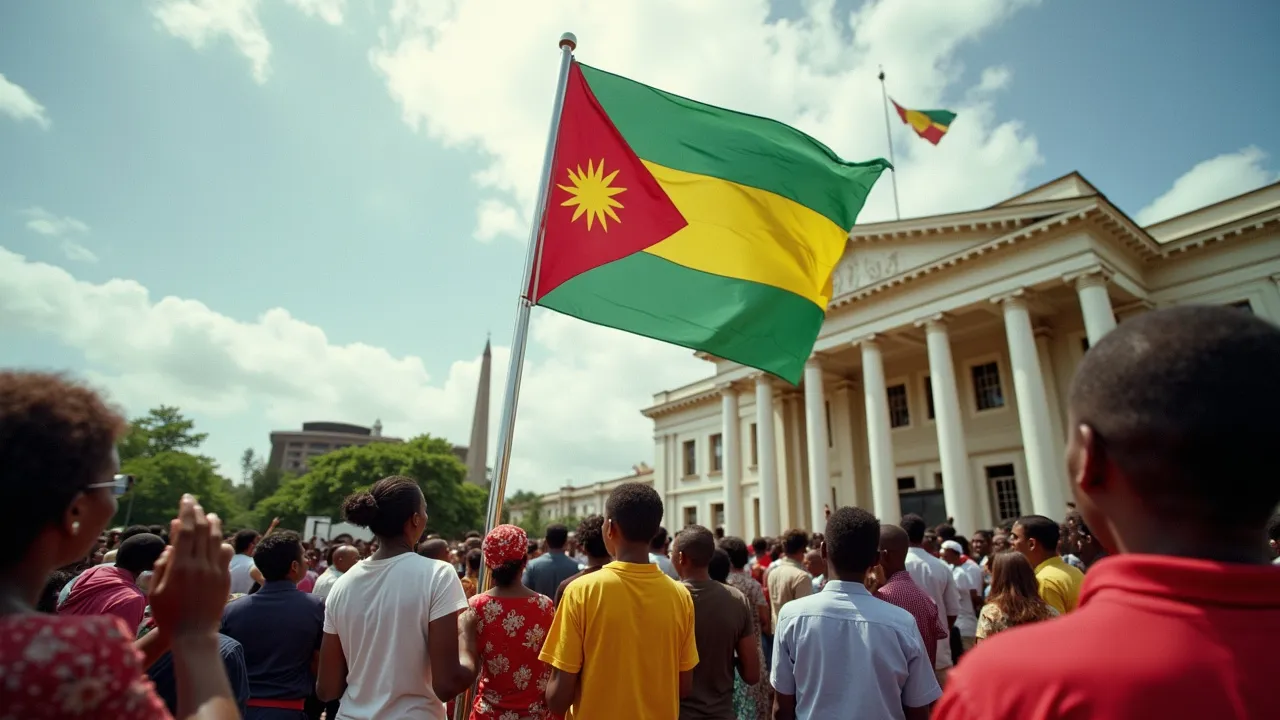
Mauritius Independence Day on March 12th commemorates the island nation's freedom from British colonial rule in 1968, celebrated with national pride, cultural events, and reflection on progress.
The Historical Origins & Evolutionary Journey
Mauritius Independence Day, observed annually on March 12th, marks a pivotal transition in the nation's history—the end of British colonial rule and the birth of a sovereign republic. This day is not merely a national holiday; it embodies the collective struggle, resilience, and aspirations of the Mauritian people. To fully appreciate its significance, one must delve into the complex tapestry of colonialism, sugar plantations, and gradual political awakening that shaped the island.
The Colonial Context
Discovered by the Portuguese in the early 16th century, Mauritius was subsequently colonized by the Dutch (1638–1710), the French (1715–1810), and finally the British (1810–1968). Each colonial power left an indelible mark on the island's demographic, economic, and cultural landscape. The British, after capturing the island during the Napoleonic Wars, maintained the French legal system, language, and sugar plantation economy while importing indentured laborers from India, China, and Africa to work the fields. This created a multicultural mosaic that would later define the nation's identity.
The Road to Independence
The push for self-governance gained momentum in the 20th century, fueled by global decolonization movements and local demands for political representation. Key milestones include:
- 1947: Introduction of limited self-government with a Legislative Council.
- 1959: Universal adult suffrage allowed all Mauritians over 21 to vote.
- 1961: The Mauritius Constitutional Conference in London set the stage for full independence.
- 1965: The Lancaster House Conference agreed on a self-government constitution, with the British government retaining defense and external affairs until independence.
The independence movement was led by figures like Sir Seewoosagur Ramgoolam, the first Prime Minister, who navigated complex ethnic and political tensions to unite the nation toward a common goal. On March 12, 1968, Mauritius officially became an independent state within the Commonwealth, with Queen Elizabeth II as head of state until it became a republic in 1992.
Modern Legacy
Today, March 12th is a day of national pride, marked by official ceremonies, cultural events, and community gatherings. It serves as a reminder of the country's journey from a sugar-dependent colony to a diversified upper-middle-income economy, often hailed as an African success story. The celebration also emphasizes unity in diversity, reflecting the peaceful coexistence of Indo-Mauritians, Creoles, Sino-Mauritians, and Franco-Mauritians.
How to Celebrate Mauritius Independence Day
Whether you are in Mauritius or abroad, there are many meaningful ways to observe this historic day. Below is a comprehensive guide to celebrating with authenticity and respect.
Official Ceremonies and Public Events
- Attend the Flag Raising Ceremony: The main event takes place at the Champ de Mars in Port Louis, where the Prime Minister and President lead the nation in hoisting the flag. The ceremony includes a 21-gun salute, military parades, and cultural performances.
- Watch the National Day Address: Tune in to the President's or Prime Minister's speech, which reflects on the nation's achievements and outlines future goals.
- Participate in Community Celebrations: Many towns and villages organize local events, including street parties, concerts, and sports competitions. Check local listings for events near you.
Cultural and Educational Activities
- Visit Historical Sites: Explore the Aapravasi Ghat UNESCO World Heritage Site, where indentured laborers first arrived, or the National History Museum to understand the independence struggle.
- Learn About Mauritian Heritage: Read books, watch documentaries, or attend lectures on the island's history. Topics include the abolition of slavery, the indentured labor system, and the path to independence.
- Cook Traditional Dishes: Prepare Mauritian specialties such as dholl puri, rougaille, or gateau piment to share with family and friends, symbolizing the island's multicultural cuisine.
Acts of Remembrance and Service
- Visit War Memorials and Cemeteries: Pay respects to soldiers who died in World Wars and other conflicts, honoring their contribution to the nation's freedom.
- Volunteer in Your Community: Engage in charity work or environmental clean-up drives as a way of giving back, embodying the spirit of nation-building.
- Share on Social Media: Use hashtags like #MauritiusIndependenceDay or #March12 to spread awareness and connect with Mauritians worldwide.
For expatriates and Mauritians abroad, embassies and consulates often host receptions, film screenings, or cultural shows. Participating in these events helps maintain ties to the homeland and introduces others to Mauritian culture.
National Symbols and Their Significance
Mauritius Independence Day is a time to reflect on the symbols that embody the nation's identity and values. These emblems were carefully chosen to represent unity, diversity, and aspirations.
The National Flag
Adopted upon independence, the flag of Mauritius consists of four horizontal stripes: red, blue, yellow, and green. Red symbolizes the struggle for freedom and independence; blue represents the Indian Ocean surrounding the island; yellow stands for the bright future and the light of independence; and green reflects the lush vegetation and agricultural heritage. The flag is prominently displayed during celebrations, often with citizens wearing flag colors.
The Coat of Arms
The coat of arms features a dodo and a deer (Sambur) supporting a shield, with the national motto 'Stella Clavisque Maris Indici' (Star and Key of the Indian Ocean) on a ribbon. The shield depicts a galleon and three palm trees, symbolizing maritime heritage and tropical abundance. The motto underscores Mauritius's strategic importance as a trading hub.
The National Anthem
Titled 'Motherland', the anthem was composed by Jean-Georges Prosper (lyrics) and Philippe Gentil (music). It was adopted in 1968 and celebrates the beauty, diversity, and unity of the island. Key lines include: "Glory to thee, Motherland, O motherland of mine." It is sung at official functions and school assemblies on Independence Day.
Other Symbols
- The Dodo: Extinct flightless bird, now a national emblem of conservation and uniqueness.
- The Trochetia Boutoniana: The national flower, a rare shrub endemic to Mauritius.
- National Day March: A ceremonial tune often played during parades.
These symbols are more than decorative; they encapsulate the Mauritian spirit—resilient, proud, and forward-looking.
Economic and Social Impact of Independence
Since gaining independence in 1968, Mauritius has undergone a remarkable transformation from a low-income, sugar-dependent colony to a high-income diversified economy. This section explores the socioeconomic changes that independence enabled.
Economic Diversification
Post-independence, the government implemented policies to reduce reliance on sugar. Key sectors developed include:
- Textile and Apparel: Thanks to the Export Processing Zone (EPZ) established in the 1970s, Mauritius became a hub for garment manufacturing, attracting foreign investment and creating jobs.
- Tourism: The pristine beaches, lagoons, and luxury resorts turned tourism into a major foreign exchange earner, contributing over 8% to GDP.
- Financial Services: Mauritius positioned itself as an offshore financial center, with a robust banking sector and favorable tax treaties.
- Information Technology: The sector has grown steadily, with the government promoting cybercity ebène and tech parks.
Social Progress
Independence brought improved access to education, healthcare, and social welfare. The constitution guarantees fundamental rights and prohibits discrimination. Key indicators:
- Literacy Rate: Over 91% (one of the highest in Africa).
- Life Expectancy: 75 years, reflecting quality healthcare.
- Gini Coefficient: Moderate income inequality, though disparities exist between urban and rural areas.
Challenges and Resilience
Mauritius faced hurdles such as ethnic tensions, economic crises (e.g., oil price shocks), and natural disasters (cyclones). However, strong governance, social dialogue, and democratic institutions enabled the country to navigate these challenges. The success story of Mauritius is often cited as an example of how small island states can thrive.
Mauritius in the International Community
Independence allowed Mauritius to forge its own foreign policy and engage with the world. Today, it is a respected member of international organizations and an advocate for small island developing states (SIDS).
Memberships and Alliances
- United Nations: Joined in 1968 and has since contributed to peacekeeping missions and human rights initiatives.
- African Union (AU): An active member, promoting regional integration and trade.
- Commonwealth of Nations: Maintains close ties with former colonial powers and other Commonwealth members.
- Indian Ocean Commission (IOC): Collaborates with neighboring Indian Ocean islands on environmental and economic issues.
Diplomatic Achievements
Mauritius has skillfully navigated international relations, balancing ties with India, France, China, and the United States. It successfully reclaimed the Chagos Archipelago sovereignty (though control remains with the UK) through United Nations resolutions. The country also champions climate change action, being vulnerable to rising sea levels.
Economic Partnerships
Mauritius is a signatory to numerous trade agreements, including the African Continental Free Trade Area (AfCFTA) and preferential access to EU markets. Its strategic location has made it a gateway for investment into Africa.
Cultural Festivities and Traditions on Independence Day
March 12th is marked by vibrant cultural expressions that showcase Mauritius's diversity. From music to food, the celebrations are a feast for the senses.
Music and Dance
Traditional Sega music—a blend of African, Indian, and European rhythms—fills the air. Dancers in colorful attire perform energetic moves. Modern genres like Seggae and Bhojpuri folk songs are also popular. Many concerts and street performances highlight local artists.
Parades and Processions
Schools, community groups, and military units participate in parades featuring floats, traditional costumes, and marching bands. One notable tradition is the "Cavadee" procession by Tamil communities, though more associated with other festivals, it sometimes appears during national celebrations to symbolize cultural harmony.
Food Festivals
Street stalls and restaurants offer special menus. Signature dishes include:
- Dholl Puri: Flatbread stuffed with ground split peas, served with curry and chutney.
- Rougaille: Tomato-based stew with fish, meat, or vegetables.
- Gateau Piment: Spicy lentil fritters.
- Alouda: Cold milk drink with basil seeds and agar-agar jelly.
Fireworks and Decorations
In the evening, cities like Port Louis and Curepipe host fireworks displays. Homes and public buildings are adorned with flags and lights in the national colors (red, blue, yellow, green).
These traditions not only entertain but also reinforce national identity and intergenerational bonds.
Historical Timeline
Dutch sailors first land on the island, naming it after Prince Maurice of Nassau. They establish a settlement but abandon it by 1710.
French claim the island and rename it Isle de France. They develop agriculture, especially sugar cane, and import slaves from Africa and Madagascar.
British capture the island during the Napoleonic Wars. They retain French institutions and legal system under the Treaty of Paris (1814).
Slavery abolished. British begin importing indentured laborers from India to work on sugar plantations, leading to major demographic changes.
New constitution introduces limited self-government with a Legislative Council. Elections held, with Sir Seewoosagur Ramgoolam emerging as a key figure.
Mauritius Constitutional Conference in London outlines path to independence.
Mauritius becomes an independent state within the Commonwealth. Sir Seewoosagur Ramgoolam becomes first Prime Minister. The flag and national anthem are adopted.
Mauritius becomes a republic with a President as head of state, replacing the British monarch. The date of independence remains March 12.
Mauritius gains a landmark UN General Assembly resolution demanding the return of the Chagos Archipelago, affirming its sovereignty over the islands.