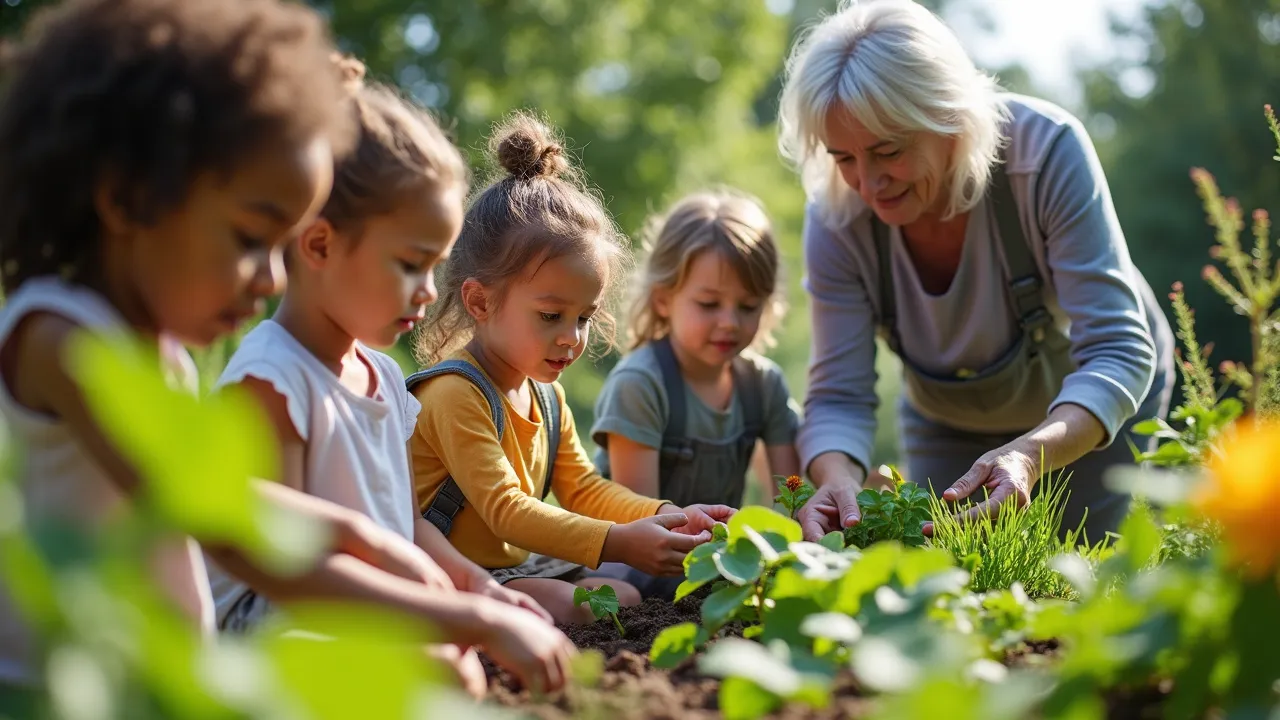
International Plant Appreciation Day on April 13th honors the beauty, importance, and ecological value of plants. Discover its history, global celebrations, and ways to get involved in plant conservation and gardening.
The Historical Origins & Evolutionary Journey of International Plant Appreciation Day
International Plant Appreciation Day, observed annually on April 13th, has grown from grassroots gardening movements into a global celebration of botanical life. While the exact origin remains decentralized, the day emerged in the early 2000s as a collective effort by horticultural societies, environmental activists, and educators to promote plant awareness and conservation. Unlike many officially proclaimed observances, this day was not established by a single entity but rather evolved organically from community initiatives, social media campaigns, and local gardening clubs.
The Foundational Catalyst
The late 20th century saw a resurgence of interest in environmentalism, with events like Earth Day (1970) sparking broader ecological consciousness. However, plants specifically lacked a dedicated day of recognition. Gardening enthusiasts and botany professors began advocating for a day to celebrate the silent providers of oxygen, food, and beauty. Early adopters included the Royal Horticultural Society and local chapters of the National Gardening Association in the United States. They organized small plant swaps, educational workshops, and tree-planting events in early April, capitalizing on spring's arrival in the Northern Hemisphere.
The Legislative/Official Adoption
Though never formally recognized by the United Nations, International Plant Appreciation Day gained traction through social media hashtags like #PlantAppreciationDay and #LovePlants. By 2015, many botanical gardens, arboreta, and nature centers began officially listing April 13th on their calendars. Some municipalities, particularly in Europe and North America, issued proclamations supporting the day. For instance, the city of Portland, Oregon, declared April 13th as "Plant Appreciation Day" in 2018, encouraging residents to volunteer at community gardens. This decentralized adoption reflects the day's grassroots spirit.
Modern Global Legacy
Today, International Plant Appreciation Day is celebrated in over 50 countries, with activities ranging from indoor plant decorating contests in urban offices to large-scale reforestation projects in tropical regions. The day has also become a platform for discussing plant conservation, sustainable agriculture, and the psychological benefits of greenery. Social media influencers and brands leverage the hashtag to promote plant-based products, while schools integrate plant biology lessons into their curriculums. The observance continues to evolve, emphasizing the critical role plants play in combating climate change and supporting biodiversity.
How to Celebrate International Plant Appreciation Day
International Plant Appreciation Day offers countless ways to honor botanical life, whether you're a seasoned gardener or a curious beginner. Below are actionable ideas for individuals, schools, communities, and organizations, organized to inspire meaningful participation.
For Individuals
- Start a windowsill herb garden: Plant basil, mint, or rosemary in small pots to enjoy fresh flavors while connecting with plant growth daily.
- Go on a botanical walk: Visit a local park, nature reserve, or botanical garden. Use plant identification apps like PlantSnap to learn about native species.
- Create a terrarium: Build a miniature ecosystem in a glass container using moss, ferns, and small pebbles — a perfect indoor activity.
- Adopt a plant: Visit a nursery and choose a houseplant that matches your care level, such as a snake plant (low maintenance) or a fiddle-leaf fig (more challenging).
- Spread awareness on social media: Post photos of your plants with the hashtag #PlantAppreciationDay and share fun facts about plant biology.
For Schools and Educational Institutions
- Teach a plant-themed lesson: Incorporate activities like dissecting a flower, growing beans in a bag, or discussing photosynthesis.
- Organize a school garden clean-up: Involve students in weeding, planting, and mulching the school’s garden beds.
- Host a plant art contest: Encourage children to draw, paint, or sculpt their favorite plant, with prizes for creativity.
For Organizations and Communities
- Tree planting drive: Partner with local forestry departments to plant native trees in deforested or urban areas.
- Plant swap event: Invite community members to exchange cuttings, seeds, or potted plants — foster a culture of sharing.
- Workshop on plant care: Host a free session on repotting, pruning, or pest management led by a master gardener.
These activities not only celebrate plants but also build deeper ecological literacy and community bonds.
The Importance of Plants in the Ecosystem
Plants are the foundation of life on Earth, forming the base of nearly every food web and playing irreplaceable roles in ecosystem function. Understanding their significance deepens appreciation for International Plant Appreciation Day.
Oxygen Production and Carbon Sequestration
Through photosynthesis, plants convert carbon dioxide into oxygen. A single mature tree can produce enough oxygen for two people annually. Moreover, forests act as carbon sinks, absorbing roughly 2.6 billion tonnes of CO₂ each year, which helps mitigate climate change. Without plants, our atmosphere would lack breathable air.
Sustaining Biodiversity
Plants provide habitat, food, and shelter for countless animal species. For example, tropical rainforests, which cover only 6% of Earth's surface, harbor over half of the world's plant and animal species. Pollinators such as bees, butterflies, and birds depend on flowering plants for nectar, while herbivores rely on leaves, fruits, and seeds. The loss of plant diversity triggers cascading extinctions.
Soil Health and Water Cycle
Plant roots bind soil, preventing erosion and maintaining fertility. Forests and grasslands regulate water cycles by absorbing rainfall, reducing runoff, and recharging groundwater. Wetland plants filter pollutants, improving water quality. Deforestation disrupts these processes, leading to desertification and floods.
Climate Regulation
Plants influence local and global climates through transpiration — releasing water vapor that forms clouds and precipitation. Large forests, like the Amazon, generate their own rainfall, affecting weather patterns thousands of miles away. Additionally, urban greenery reduces the "heat island" effect, cooling cities during summer.
By protecting plants, we safeguard the ecosystems that humanity depends upon for survival.
How Plants Benefit Human Health and Well-being
The connection between plants and human health extends far beyond nutrition. Research in environmental psychology and horticultural therapy has demonstrated profound benefits of interacting with plants.
Mental Health and Stress Reduction
Studies show that spending time in green spaces lowers cortisol levels, reduces anxiety, and improves mood. A 2019 study in the journal Scientific Reports found that just 20 minutes in a park significantly reduced stress. Indoor plants, such as peace lilies and ferns, also help reduce psychological fatigue by providing a calming visual focus.
Physical Health Improvements
Gardening offers moderate physical activity, reducing the risk of obesity, heart disease, and diabetes. Exposure to soil bacteria Mycobacterium vaccae has been linked to increased serotonin levels, acting as a natural antidepressant. Moreover, having plants indoors can improve air quality by removing volatile organic compounds (VOCs) like benzene and formaldehyde.
Cognitive and Productivity Gains
Plants in workplaces and classrooms have been shown to boost concentration, creativity, and productivity. A 2014 study by the University of Exeter found that employees’ productivity increased by 15% when plants were introduced to previously bare offices. The presence of greenery also enhances memory retention and attention span.
Therapeutic Applications
Horticultural therapy is a formal practice used in rehabilitation, senior care, and mental health treatment. Patients engage in planting, pruning, and harvesting to improve motor skills, cognitive function, and emotional regulation. Veterans with PTSD, for example, have benefited from gardening programs that reduce hyperarousal and provide a sense of purpose.
Plant Conservation and Biodiversity: Why Every Species Matters
Plant biodiversity is under threat from habitat destruction, climate change, invasive species, and overexploitation. International Plant Appreciation Day serves as a call to action for conservation.
Current Threats to Plant Life
- Deforestation: Over 18 million acres of forest are lost annually, mainly for agriculture and logging. The Amazon rainforest has lost nearly 20% of its area in 50 years.
- Climate Change: Rising temperatures and altered precipitation patterns shift plant ranges, causing extinctions in sensitive ecosystems like alpine meadows and cloud forests.
- Invasive Species: Non-native plants outcompete local flora, disrupting ecosystems. For instance, kudzu in the southern U.S. smothers native vegetation.
- Overharvesting: Medicinal plants, timber, and rare orchids are collected unsustainably, sometimes to extinction.
Conservation Efforts
Organizations like the Kew Royal Botanic Gardens manage seed banks (e.g., the Millennium Seed Bank) that store seeds from over 40,000 species as a safety net. The IUCN Red List assesses extinction risk for plants, guiding conservation priorities. International treaties such as the Convention on Biological Diversity aim to protect 30% of land and water by 2030. On a local level, community-led conservation projects restore native habitats, create green corridors, and promote sustainable harvesting.
How Individuals Can Help
Plant native species in your garden, avoid invasive ornamentals, support conservation organizations, and reduce your ecological footprint. Even small actions, like choosing peat-free compost or avoiding products containing palm oil from deforested areas, contribute to plant protection.
The Economic Impact of Plants and Horticulture
Plants are a cornerstone of the global economy, supporting industries from agriculture and forestry to pharmaceuticals and tourism. The horticulture sector alone generates billions of dollars annually and employs millions worldwide.
Agriculture and Food Security
Crop plants provide the majority of human calories and nutrients. The top three crops — rice, wheat, and maize — feed billions. The global food system is entirely dependent on plant health; pollinator services, soil fertility, and pest management all rely on plant diversity. The economic value of insect pollination is estimated at over $200 billion per year.
Forestry and Timber Industry
Sustainably managed forests produce timber, paper, and wood products worth over $600 billion annually. Non-timber forest products (e.g., rubber, bamboo, cork, nuts) provide livelihoods for 1.5 billion people, many in developing countries. Reforestation and afforestation projects also create jobs in carbon credit markets.
Pharmaceuticals and Medicinal Plants
Over 40% of pharmaceutical drugs are derived from plants. Examples include aspirin (from willow bark), quinine (cinchona tree), and taxol (Pacific yew). The global market for herbal medicines exceeds $80 billion. Bioprospecting for new plant compounds continues to yield treatments for cancer, malaria, and chronic diseases.
Horticulture and Ornamental Plants
The ornamental horticulture industry, including nurseries, landscaping, and floristry, is worth over $400 billion globally. The demand for houseplants surged during the COVID-19 pandemic, with millennials driving a 50% increase in sales in some markets. Plants are also central to events like weddings, holidays, and public landscaping, contributing to quality of life and property values.
Celebrating International Plant Appreciation Day Around the World
While the primary date is April 13th, some regions and cultures have their own plant-related observances on different dates. This section explores global variations and unique traditions.
United States and Canada
April 13th is widely promoted by gardening organizations like the National Gardening Association. Many botanical gardens offer free admission, and community gardens hold planting parties. In tropical regions like Florida, people celebrate with native plant sales and workshops on invasive species removal.
United Kingdom
The Royal Horticultural Society encourages people to join the "Plant a Tree" campaign in April. Many garden centers offer discounts on perennials. Some schools hold "Plant of the Week" presentations.
Japan
Japan has a strong culture of plant appreciation through flower viewing (hanami) in spring. Although hanami is centered on cherry blossoms, International Plant Appreciation Day aligns with the season. Japanese gardeners often celebrate by planting bonsai trees or conducting ikebana (flower arranging) demonstrations.
India
In India, April 13th coincides with the harvest festival Vaisakhi in some regions. People celebrate by planting trees, especially fruit-bearing ones like mango and neem, and distributing saplings. NGOs often organize mass tree-planting drives.
Australia and New Zealand
As April falls in autumn in the Southern Hemisphere, celebrations focus on planting cool-season vegetables and preparing gardens for winter. Native plant societies host bush-tucker walks to educate about indigenous edible plants.
Other Variations
In Brazil, they celebrate "Dia da Planta" on September 14th (in spring). However, many Brazilian botanical gardens also acknowledge April 13th through social media campaigns. In South Africa, National Arbor Week in September overshadows April 13th, but plant lovers still participate online.
Historical Timeline
Early grassroots movements begin promoting a day for plant appreciation through community gardening groups and email lists.
Social media hashtag #PlantAppreciationDay starts trending on platforms like Twitter and Flickr, helping unify scattered efforts.
The first organized plant swap events are reported in multiple U.S. cities, including Portland and Austin.
Several botanical gardens, including Kew Gardens in the UK, officially list April 13th as International Plant Appreciation Day on their calendars.
Portland, Oregon becomes the first city to issue a proclamation declaring April 13th as Plant Appreciation Day.
The COVID-19 pandemic fuels a surge in houseplant popularity, making #PlantAppreciationDay one of the top trending hashtags on Instagram.
Over 50 countries now officially recognize April 13th through events organized by botanic gardens, schools, and environmental NGOs.