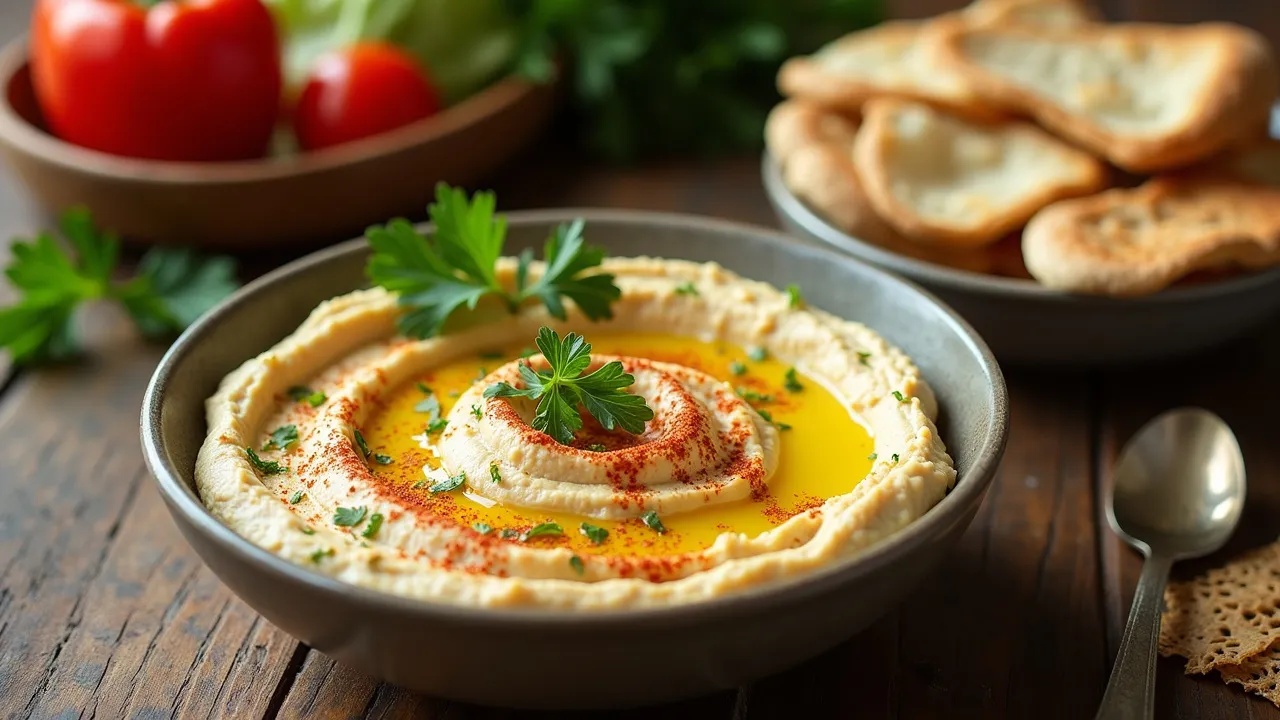
International Hummus Day, observed annually on May 13th, celebrates the beloved Middle Eastern dip made from chickpeas, tahini, and olive oil. Founded in 2012 by Ben Lang and Moran Gans, it honors hummus's rich culinary heritage and global popularity.
The Historical Origins & Evolutionary Journey
International Hummus Day, observed every year on May 13th, is a global celebration of one of the oldest and most beloved foods in human history: hummus. This creamy blend of chickpeas, tahini, lemon, and garlic has roots stretching back thousands of years, with its modern incarnation gaining worldwide fame in the 20th century. The day itself was established in 2012 by two food enthusiasts, Ben Lang and Moran Gans, to honor the dish's cultural significance and encourage people everywhere to enjoy its simple, nutritious goodness.
The Foundational Catalyst: Ancient Chickpea Cultivation
Chickpeas, the primary ingredient in hummus, have been cultivated in the Middle East for over 7,000 years. Early records of chickpea-based purees appear in ancient Egyptian and Roman texts. The word "hummus" means "chickpea" in Arabic, and the basic recipe of mashed chickpeas with tahini (sesame paste) has been a staple in Levantine cuisine for centuries. Historical evidence suggests that a dish resembling modern hummus was consumed in Damascus, Syria, as early as the 13th century. However, the exact origin remains a point of pride among several nations, including Lebanon, Israel, Palestine, and Greece.
The Legislative/Official Adoption: The Birth of a Modern Holiday
In 2012, Lang and Gans launched a Facebook page proposing May 13th as International Hummus Day. The date was chosen arbitrarily to fall after Mother's Day and before summer, aiming to maximize participation. The movement quickly gained traction through social media, and within a few years, it became a widely recognized food holiday. No official government or UN endorsement exists, but the day is embraced by hummus brands, restaurants, and home cooks worldwide. Sabra, Tribe, and other major hummus producers often run promotions and events on this day.
Modern Global Legacy
Today, International Hummus Day is celebrated in over 50 countries. It has evolved from a niche internet campaign into a global food phenomenon. The day serves not only as a celebration of taste but also as a platform for discussions about food heritage, cultural appropriation, and the economics of the hummus industry. Supermarkets feature special displays, restaurants offer free samples, and social media buzzes with recipes and photos under #HummusDay. The holiday has also inspired related observances like World Hummus Day (June 13th) in some circles, though May 13th remains the primary date.
How to Celebrate International Hummus Day
International Hummus Day on May 13th offers endless ways to enjoy and honor this versatile dip. Whether you are an individual, a family, a school, or a corporation, here are actionable strategies to make the most of the day.
For Individuals and Families
- Make Hummus from Scratch: Use a traditional recipe with chickpeas, tahini, lemon juice, garlic, and olive oil. Experiment with add-ins like roasted red pepper, jalapeño, or sun-dried tomatoes.
- Host a Hummus Tasting Party: Invite friends to sample different store-bought and homemade hummus varieties. Pair with pita, veggies, or chips.
- Share on Social Media: Post your hummus creation using #InternationalHummusDay and #HummusDay. Tag your favorite hummus brands.
For Schools and Educational Institutions
- Organize a Hummus-Making Workshop: Teach students about the cultural history and nutritional benefits of hummus. Include a hands-on cooking session.
- Hold a Hummus-Eating Contest: With pita chips or vegetables, this can be a fun and messy activity that fosters community.
For Businesses and Organizations
- Offer Free Samples: Restaurants and grocery stores can provide small cups of hummus to customers, encouraging trial and purchase.
- Launch a Hummus Fundraiser: Sell homemade hummus to raise money for charity, especially food-related causes.
- Run a Social Media Campaign: Encourage employees to share their hummus moments, with prizes for the best posts.
Beyond these ideas, consider visiting a local Middle Eastern restaurant or ordering hummus for delivery. The key is to savor the flavor and appreciate the culinary tradition that bridges cultures.
The Cultural Significance of Hummus in Middle Eastern Cuisine
Hummus is more than a food; it is a cultural icon in the Middle East. For centuries, it has been a staple in the daily diet of countries like Lebanon, Israel, Palestine, Syria, Jordan, and Egypt. It is traditionally eaten for breakfast, lunch, or dinner, often scooped with fresh pita bread. The dish symbolizes hospitality and simplicity, frequently appearing at family gatherings and festive meals.
Regional Variations
Each country has its own twist. In Lebanon, hummus is often served with whole chickpeas and a generous drizzle of olive oil and paprika. In Israel, it is common to add hard-boiled eggs or ful (fava beans) as a topping. Palestinian hummus leans heavily on high-quality tahini and lemon. Despite these differences, the core ingredients remain constant, making hummus a unifying food across a politically divided region.
Hummus as a Symbol of Identity
The humble dish has also become a subject of culinary nationalism. Lebanon once attempted to sue Israel for claiming hummus as an Israeli invention, highlighting the deep cultural ownership attached to the recipe. International Hummus Day encourages respectful appreciation of these roots while celebrating the global fusion that hummus now represents.
Health Benefits and Nutritional Profile of Hummus
Hummus is widely recognized as a nutrient-dense superfood. Its primary ingredients—chickpeas, tahini, olive oil, and garlic—each contribute to a powerhouse of health benefits.
Nutritional Breakdown
- Chickpeas: Rich in protein, fiber, folate, and iron. They support digestive health and help regulate blood sugar.
- Tahini: Made from sesame seeds, it provides healthy fats, calcium, and magnesium. It also has anti-inflammatory properties.
- Olive Oil: High in monounsaturated fats and antioxidants, known to reduce heart disease risk.
- Garlic & Lemon: Boost immunity and improve iron absorption.
Health Benefits
- Weight Management: The fiber and protein in hummus promote satiety, helping control appetite.
- Heart Health: The combination of chickpeas and olive oil lowers bad cholesterol and reduces inflammation.
- Blood Sugar Control: Low glycemic index makes hummus a safe choice for diabetics.
- Digestive Health: Resistant starch from chickpeas feeds healthy gut bacteria.
On International Hummus Day, many health organizations promote hummus as a wholesome alternative to processed dips. Two tablespoons of hummus contain about 70 calories, making it a guilt-free indulgence.
Hummus Industry: Economic Impact and Global Market Trends
The global hummus market was valued at over $2.5 billion in 2023 and is projected to reach $4 billion by 2030, growing at a CAGR of ~7%. This growth is driven by increasing demand for plant-based, gluten-free, and healthy snack options.
Key Market Players
- Sabra (PepsiCo/Strauss Group): Dominates the US market with a 60% share.
- Tribe Hummus: Known for innovative flavors like sriracha and everything bagel.
- Local Artisans: Small-batch producers thrive in farmers' markets and specialty stores.
Regional Consumption
The US is the largest market, followed by Europe. Middle Eastern countries have high per capita consumption, but the West is catching up. During the COVID-19 pandemic, hummus sales spiked as consumers sought shelf-stable, nutritious foods. International Hummus Day provides a marketing boost for brands, often launching limited-edition flavors and promotional campaigns tied to May 13th.
Challenges
Rising chickpea prices and supply chain disruptions pose threats. Additionally, competition from other dips like guacamole and baba ganoush keeps the market dynamic.
Hummus Variations and Regional Adaptations Around the World
Hummus has traveled far beyond its Middle Eastern origins, adapting to local palates and ingredients. The global hummus landscape is now dotted with creative twists.
Popular Variations
- Red Pepper Hummus: Roasted red bell peppers blended in for sweetness and color.
- Jalapeño Hummus: A spicy version popular in the US and Mexico.
- Beet Hummus: Earthy and vibrant, often used as a dip for crudités.
- Chocolate Hummus: A dessert hummus made with cocoa and sweeteners, spread on fruit or pretzels.
- Avocado Hummus: Creamy blend of avocado and chickpeas, popular among health enthusiasts.
Regional Specialties
In India, hummus is sometimes made with local legumes like chana dal and spiced with cumin and coriander. In Japan, versions incorporate miso or sesame paste for umami. The UK sees hummus as a lunchbox staple, often paired with carrot sticks. These adaptations demonstrate the dish's versatility and ensure its place in global gastronomy.
On International Hummus Day, exploring a new variation is a perfect way to celebrate. Many restaurants host "hummus flights" featuring multiple flavors.
Controversies and Cultural Appropriation Debates
Despite its universal appeal, hummus is not without controversy. The primary debate centers on cultural appropriation and ownership. Middle Eastern nations, particularly Lebanon and Palestine, argue that Western mass production and marketing have stripped hummus of its cultural roots. In 2008, Lebanon attempted to sue Israel for trademarking hummus, claiming it as Lebanese national property. The case was eventually dropped, but it highlighted the deep emotional attachment to the dish.
The "Hummus Wars"
This term refers to the dispute over which country can claim hummus as its own. Lebanon holds the Guinness World Record for the largest hummus dish (over 10,000 kg), but Israel also contests. International Hummus Day, founded by an Israeli and an American, has sometimes been accused of sidelining Palestinian contributions. However, many activists use the day to celebrate hummus as a symbol of peace and shared heritage, emphasizing the need for acknowledgment of its origins.
Addressing the Issue
To celebrate respectfully, consumers are encouraged to learn about the history of hummus and support authentic Middle Eastern producers. Using the day to donate to food-related charities in the region can also help bridge cultural gaps.
Historical Timeline
Ben Lang and Moran Gans found International Hummus Day on May 13th via a Facebook campaign. The day is first celebrated informally online.
First major social media push occurs; #HummusDay trends on Twitter. Mainstream media coverage begins.
Hummus becomes a staple in US supermarkets; sales exceed $500 million. Sabra and Tribe launch special May 13th promotions.
Global hummus market reaches $1.5 billion. International Hummus Day is recognized in over 30 countries.
During the COVID-19 pandemic, hummus consumption surges as a healthy, shelf-stable snack. Virtual celebrations replace in-person events.
International Hummus Day observed in 50+ countries. Market value exceeds $2.5 billion. New variations like chocolate hummus gain popularity.